


Fragile ceasefire collapses as Pakistan cites continued terror threats from Afghan soil.
Islamabad Says Kabul Holding Back Turkish Mediation Effort
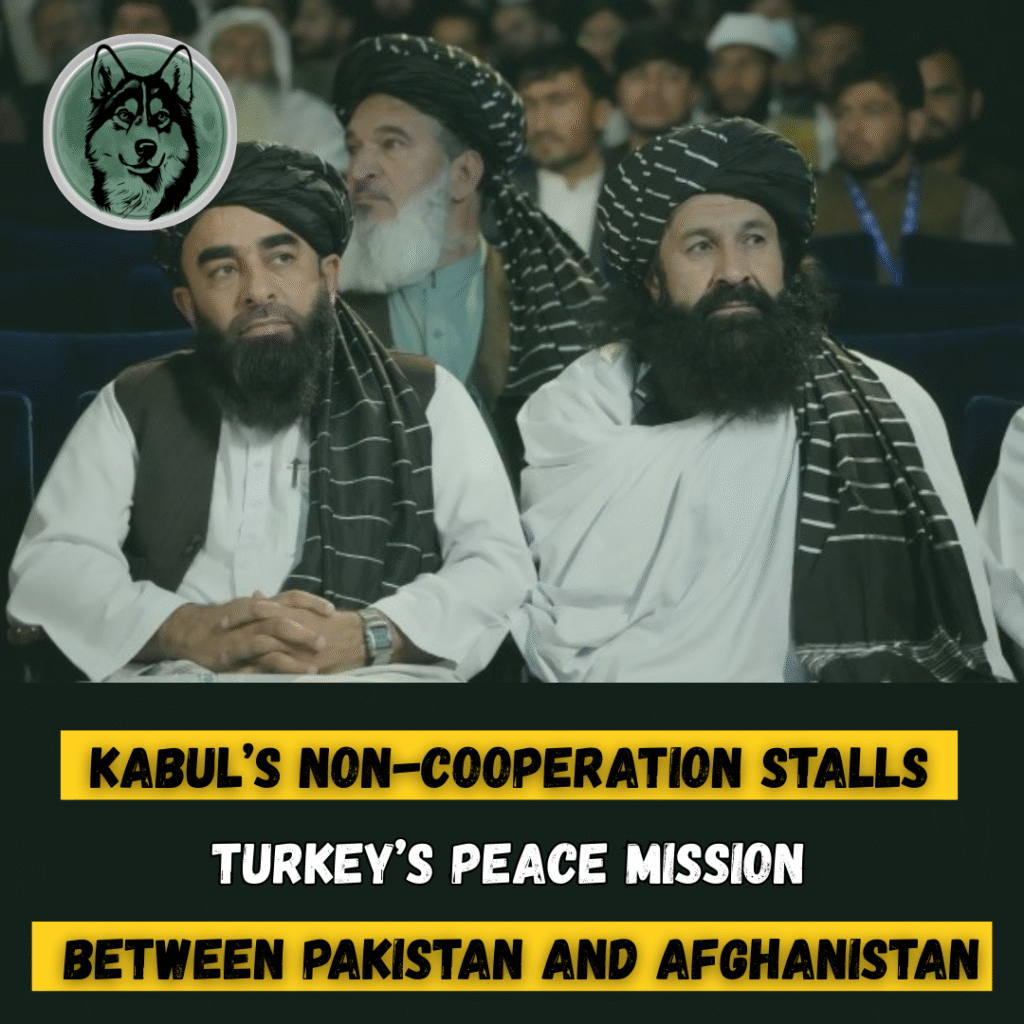
ISLAMABAD: Pakistan on Friday indirectly blamed the Afghan Taliban for the delay in a planned high-level Turkish mediation visit, saying that Ankara’s delegation may have stalled their arrival due to “lack of cooperation” from Kabul.
Turkey and Qatar have been attempting to mediate rising tensions following security clashes and a breakdown of border management systems between the two neighbouring states. While Ankara had earlier announced the dispatch of a senior delegation, the plan has not moved forward—raising questions about Kabul’s willingness to participate.
Pakistan Ready, Taliban Not Engaging, Says FO
Foreign Office spokesperson Tahir Andrabí, when asked about the stalled visit, said Pakistan stood ready for talks but hinted that the Taliban may not be reciprocating.
“Pakistan has been open and fully prepared,” he said.
“However, scheduling issues and perhaps the lack of cooperation from the Taliban regime appear to be factors. This question is for Kabul.”
His comments underline what Pakistani officials have privately termed “Taliban hesitation bordering on indifference” toward regional mediation efforts.
Ceasefire Falters Amid Continued Terror Activity
The FO acknowledged that the Turkey-Qatar-brokered ceasefire had already weakened.
According to Islamabad, the truce depended on “a verifiable halt in terrorist activity from Afghan soil,” a condition Pakistan insists has not been met. Security officials maintain that attacks originating from Afghan territory remain ongoing and a direct threat to Pakistan’s internal stability.
No Progress in Riyadh Talks; Taliban Unyielding
Diplomatic sources earlier revealed that Pakistan and Afghanistan held unannounced discussions in Riyadh last week. The engagement ended “within hours” as both sides stuck rigidly to their positions.
While Saudi Arabia is planning another intervention round, FO spokesperson Andrabí said he had “no information” regarding Riyadh’s involvement—an indication of the secrecy surrounding these contacts.
Pakistan Insists Mediation Will Favour It, If Based on Facts
Reiterating Pakistan’s stance on terrorism originating from Afghanistan, the spokesperson said:
“Any honest and objective mediation will naturally favour Pakistan because our case is grounded in international law.”
Islamabad’s position remains that the Taliban have not taken concrete steps to prevent cross-border attacks, despite repeated assurances.
Humanitarian Aid Allowed Despite Border Closure
In a significant move, Pakistan approved UN humanitarian consignments for Afghanistan marking the first controlled opening since transit trade was halted in October.
Aid will be permitted in three phases:
- Food items
- Medicines and medical supplies
- Education and health-related essentials
Andrabí emphasised that Pakistan harbours no ill will toward the Afghan people:
“They remain our brothers and sisters. Our issue is with terrorism, not civilians.”
Despite the humanitarian opening, all commercial border crossings remain closed, pending visible action from Kabul against terror groups like TTP.
Kabul’s Silence Becoming a Liability
Analysts argue the Taliban regime’s failure to engage in diplomatic processes is increasingly isolating Afghanistan. Key points include:
- Taliban’s refusal to admit presence of anti-Pakistan militants stalls every negotiation round.
- Kabul’s rigidity jeopardises regional stability and denies Afghanistan a role in constructive diplomacy.
- Turkey and Qatar’s credibility as mediators weakens when one party refuses meaningful cooperation.
Security observers say the Taliban’s approach suggests a belief that time, not engagement, will pressure Pakistan into reopening borders and easing restrictions—an assumption Islamabad appears unwilling to validate.
WHAT happened?
The Turkish delegation meant to mediate Pakistan-Afghanistan tensions has not arrived.
WHY?
Pakistan suggests the primary obstacle is Kabul’s non-cooperation and unwillingness to engage constructively.
WHERE?
Mediation efforts were expected in Islamabad, with Turkey and Qatar leading the initiative.
HOW is Pakistan responding?
By maintaining readiness for talks, emphasising its legal and security concerns, and allowing humanitarian aid while keeping borders closed for commercial trade.