
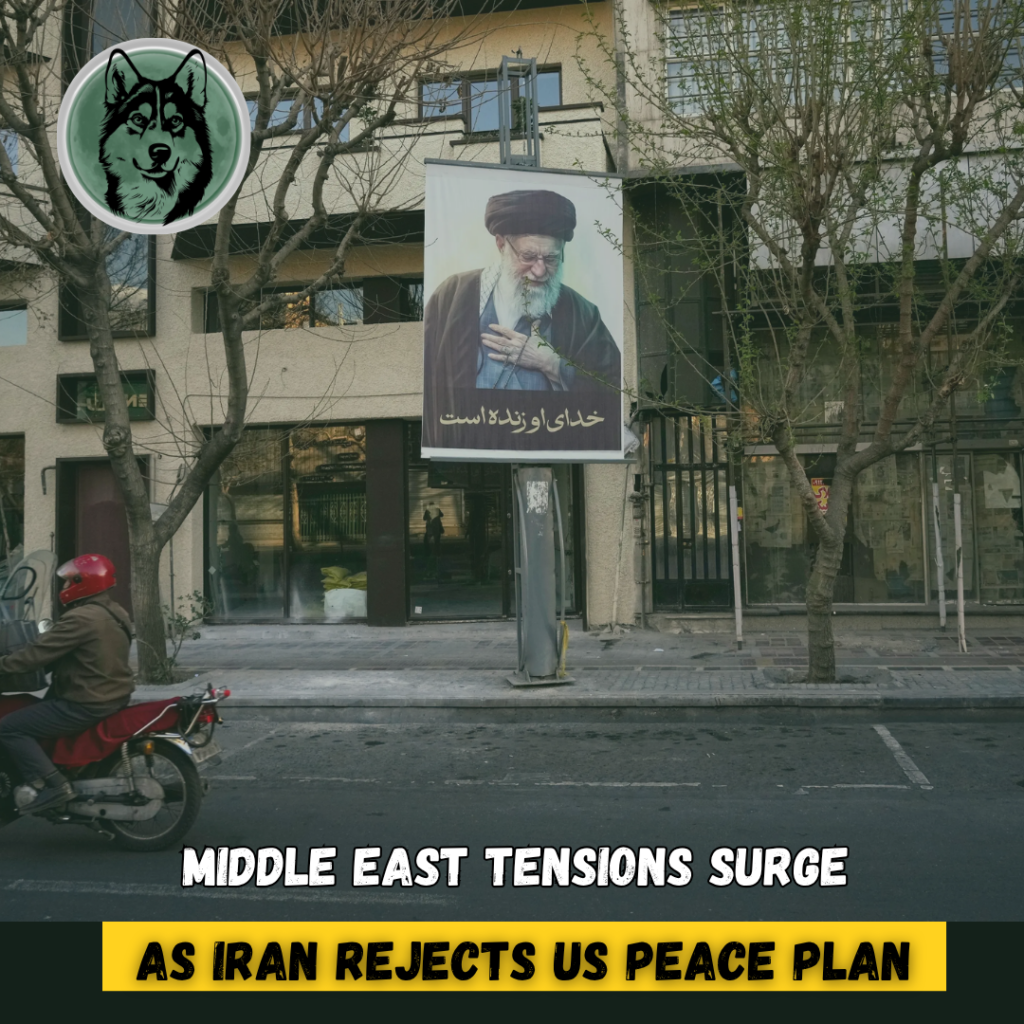
Mixed signals on diplomacy, escalation, and global energy crisis raise concerns
Introduction
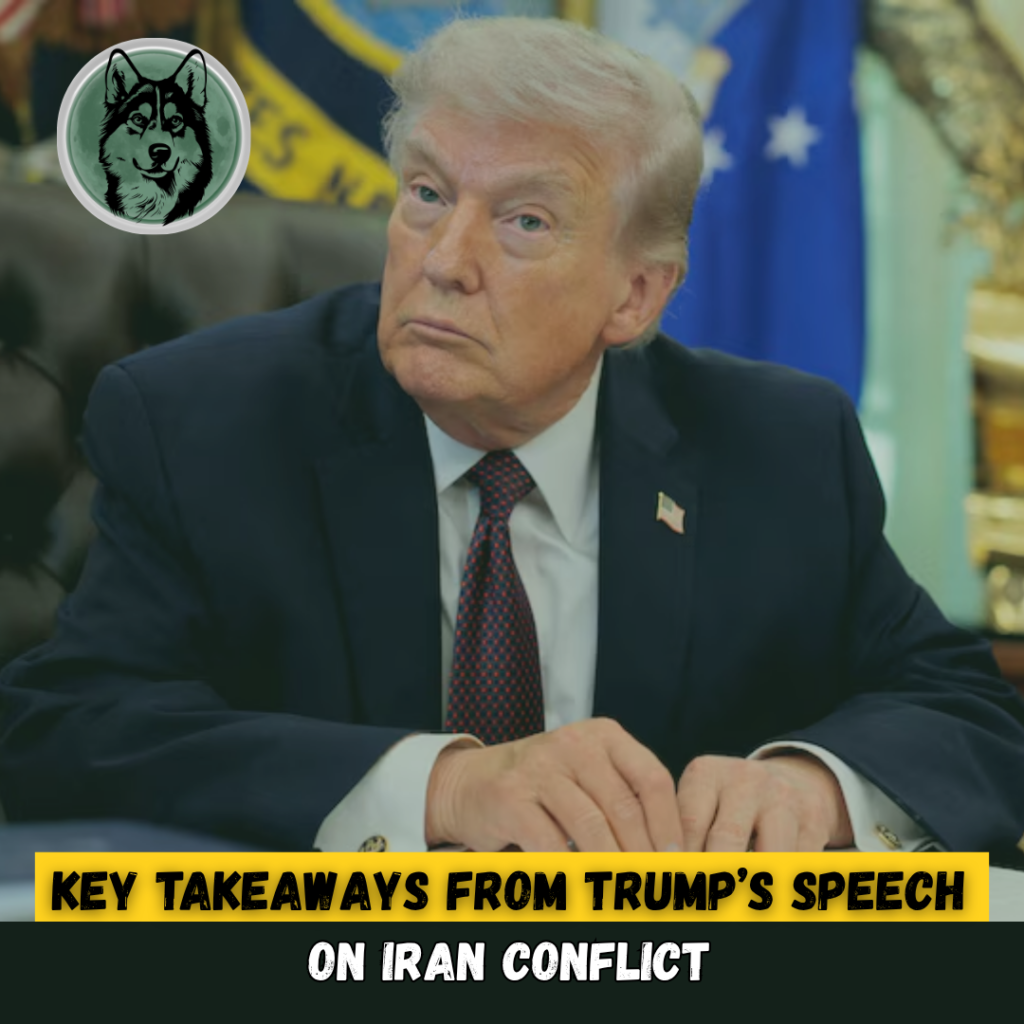
US President Donald Trump defended his handling of the ongoing war on Iran in a prime-time address, claiming the US military is close to completing its mission. However, his remarks revealed uncertainty about the conflict’s end and raised concerns globally.
Looking for an Exit – But No Clear Timeline
Trump stated that US forces have significantly weakened Iran’s military capabilities, including its navy, air force, and missile systems. He suggested that operations could conclude “very fast,” possibly within weeks.
Despite this, he stopped short of offering a definitive timeline, while warning that attacks could intensify if Iran does not agree to US terms.
Mixed Messaging Raises Concerns
Throughout the speech, Trump alternated between calls for diplomacy and threats of further military action. This inconsistent messaging has created uncertainty among global markets and the American public.
Analysts believe such signals may prolong tensions rather than calm the situation.
Focus on the Strait of Hormuz
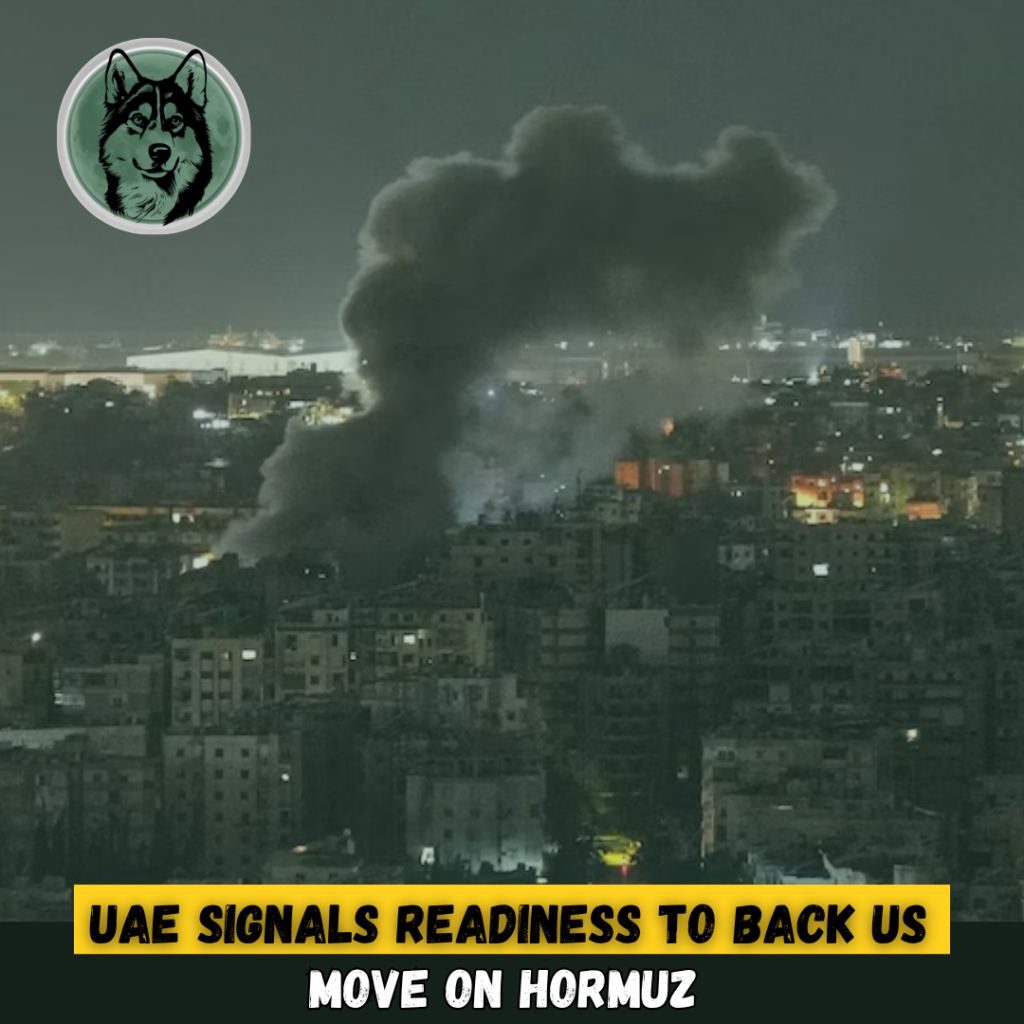
Trump did not clearly state whether military operations would continue until the reopening of the critical Strait of Hormuz.
Instead, he urged other nations dependent on Gulf oil to take responsibility, distancing the US from direct involvement. This stance could leave significant leverage in Iran’s hands over a key global energy route.
Mission Accomplished? Questions Remain
While Trump claimed major military success, doubts persist over whether the primary objective—blocking Iran’s path to a nuclear weapon—has been achieved.
Iran is believed to still possess enriched uranium stockpiles, though reportedly buried underground. The long-term effectiveness of US actions remains uncertain.
Ongoing Threat Despite Military Strikes
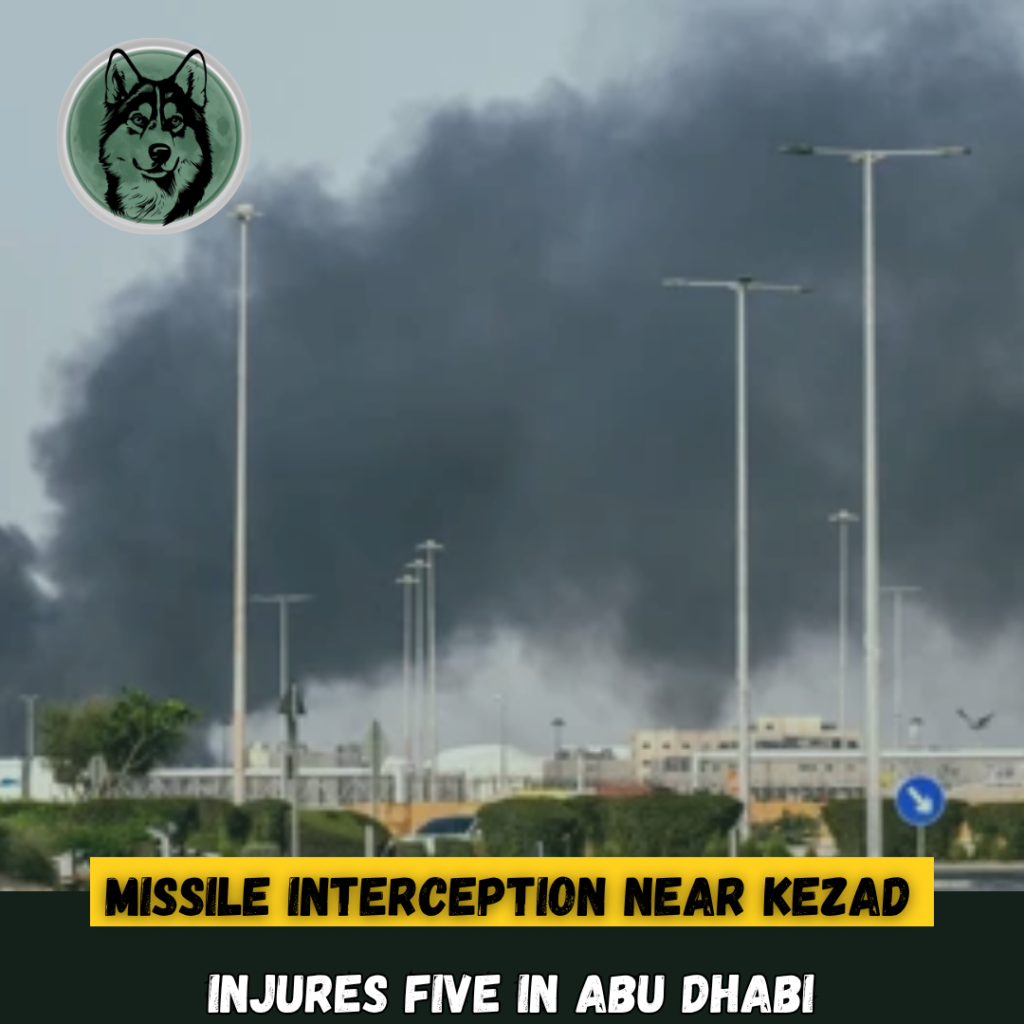
Despite heavy US-Israeli strikes, Iran continues to demonstrate its ability to launch missiles and drones targeting regional adversaries and US interests.
Additionally, regime change goals remain unfulfilled, with leadership structures in Iran largely intact.
Domestic Political Pressure
Trump’s speech comes amid declining approval ratings and growing public concern over economic impacts, particularly rising fuel prices.
His approval rating has dropped significantly, reflecting unease over prolonged military engagement and its consequences.
Market Reaction Reflects Uncertainty
Following the address, financial markets reacted negatively—stocks fell, oil prices rose, and the dollar strengthened.
The response underscores investor concerns over unclear war objectives and the potential for prolonged conflict.
Conclusion
Trump’s speech aimed to reassure the public but instead highlighted contradictions in US strategy. While claiming progress, the lack of a clear exit plan and continued threats suggest the conflict may persist, keeping global tensions and economic uncertainty high.