



Basant Returns to Lahore After Two Decades, But With High Prices and Heavy Restrictions
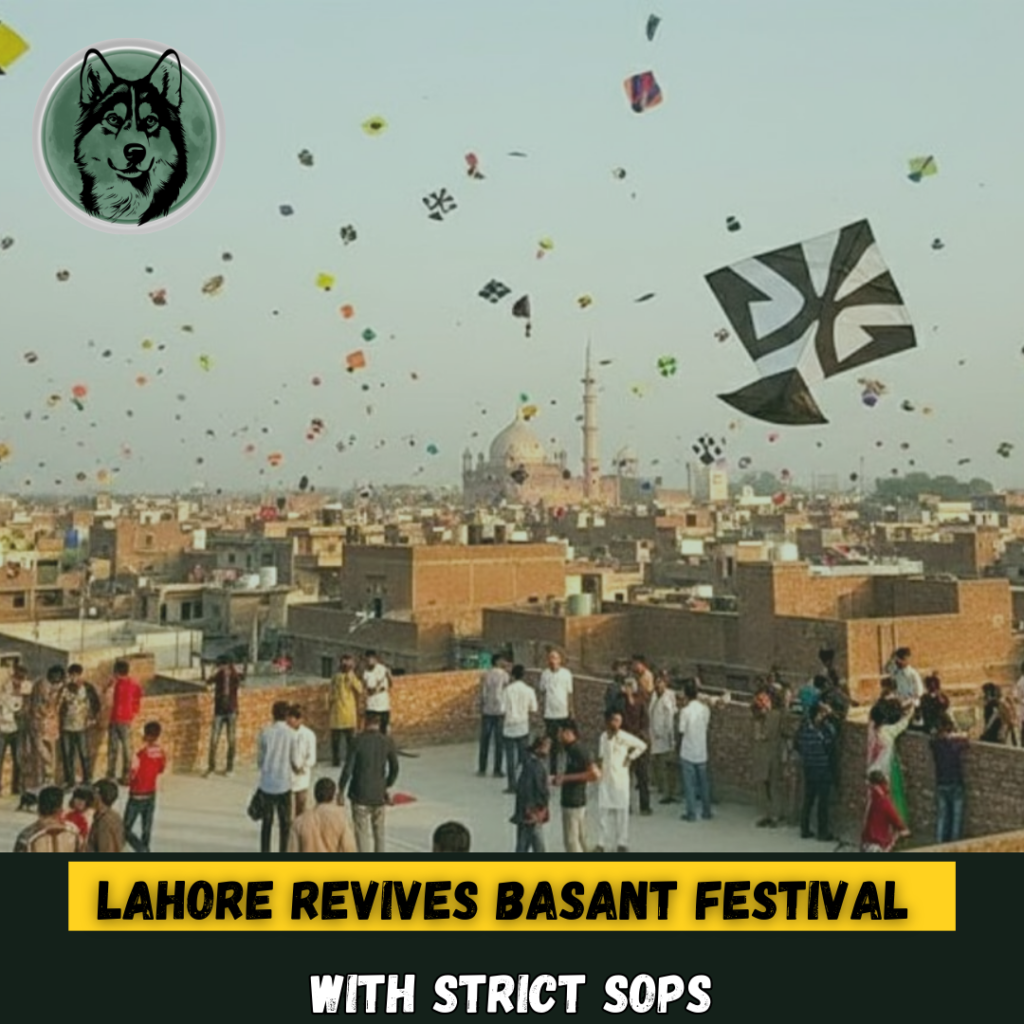
After nearly 20 years, Basant has returned to Lahore, reviving memories, colours, and cultural pride — but under unprecedented regulations, soaring costs, and strict safety controls.
An entire generation is set to experience the legendary spring festival for the first time, while older Lahoris prepare to relive memories of kite-filled skies, rooftop gatherings, and chants of “bo kata.” However, this revival comes with QR-coded kites, banned charkhis, strict penalties, and sharply rising prices.
Kite Prices Double as Charkhi Banned and Pinnay Hit Rs12,000
The economic impact of Basant is already visible across Lahore’s markets. Kite prices have nearly doubled, with a single kite now costing almost twice its pre-season rate.
Balls of kite string (pinnay), which previously sold for around Rs7,000, are now priced as high as Rs12,000, while the traditional charkhi (spool) remains completely prohibited under the new law.
Under the Punjab Regulation of Kite Flying Act 2025:
- Only QR-coded, registered kites and string are allowed
- Dor must be cotton-based with strict thread limits
- Severe fines and prison terms apply for violations
Hotels Fully Booked, Rooftops Renting for Premium Rates
With Basant’s return, hotels across Lahore are operating at full capacity, hosting visitors from across Pakistan and overseas.
In the walled city, rooftops have become prime real estate. Residents are renting out rooftops for two to three days, with prices starting from Rs50,000 and climbing into the millions, depending on size, location, and facilities.
Some packages include:
- Rooftop access
- Kites and pinnay
- Food, snacks, tea, and music
- Family-only gatherings in certain areas
Private companies and brands have also booked rooftops to host Basant-themed events.
A Generation Experiencing Basant for the First Time
For many young Lahoris aged 18 to 25, Basant has existed only through stories, photos, and videos.
Now, for the first time, Gen Z will witness Lahore’s skies filled with kites. Older residents recall a time when rooftops filled by morning, music echoed through neighbourhoods, and the festival united families, food, and celebration.
For many, Basant is inseparable from Lahore’s identity — a cultural tradition rooted in the city’s architecture, rooftops, and communal spirit.
Safety First: Free Transport, Bike Restrictions, and Drone Surveillance
To minimise risks, the Punjab government has announced free public transport during Basant to discourage motorcycle use.
Key safety measures include:
- Free buses and auto-rickshaws within Lahore
- Free transport from nearby cities for Basant visitors
- Mandatory safety antennas on motorcycles
- Heavy fines for non-compliance
- Drone surveillance and multi-agency monitoring
The city has been divided into Red, Yellow, and Green Zones, with the walled city designated as high-risk. Motorcycles without safety rods are banned from entering red zones.
Strict Laws and Heavy Penalties Under New Basant Regulations
The Punjab Regulation of Kite Flying Act 2025 enforces:
- Up to five to seven years’ imprisonment for illegal dor
- Fines reaching Rs5 million
- Registration requirements for all manufacturers and sellers
- Mandatory QR codes on all kites and pinnay
After Basant concludes, a complete ban on kite flying will return, raising unresolved questions about leftover stock in private hands.
Commerce Booms as Culture Revives
Despite restrictions, Basant has reignited Lahore’s economy. Markets are bustling with shoppers buying yellow clothing, bangles, mehndi, food supplies, and decorations.
From kite makers and rooftop owners to caterers, artists, and transport providers, the festival has revived a seasonal economic ecosystem long dormant.
Many believe that if managed sustainably, Basant could once again become a major cultural and tourism attraction.
Rawalpindi and Other Cities Left Out
While Lahore celebrates, Rawalpindi and other Punjab cities remain under a complete ban, leaving residents frustrated.
Despite historical ties to Basant, Rawalpindi authorities insist the ban will be enforced strictly. Residents argue the festival should be regulated, not prohibited, noting its cultural and economic value.
Illegal kite flying continues quietly in banned cities, raising concerns about enforcement consistency and post-Basant outcomes.
A Festival Reborn — With Strings Attached
As Lahore prepares to colour its skies once more, Basant’s return is both a celebration and a test — balancing culture, safety, commerce, and fairness.
Whether this revival becomes a lasting tradition or a one-time experiment will depend on enforcement, public responsibility, and what happens when the final kite comes down.