


Mobility with the weight of responsibility
Major Crackdown Sparks Outrage
Earlier this month, a province-wide traffic enforcement drive in Punjab made headlines when police registered over 4,600 cases and arrested approximately 3,100 people in just 72 hours.
Videos circulated online showing schoolchildren being stopped, motorcycles impounded, and minors interrogated, triggering widespread criticism. Legal experts and parents warned that detaining children for traffic violations could leave them with criminal records and jeopardize their future.
Political and Legal Response
The backlash quickly reached the political and judicial spheres:
- Punjab Chief Minister Maryam Nawaz Sharif expressed concern over minors being handcuffed, instructing police to issue warnings for first-time offences instead of arrests.
- Lahore High Court Chief Justice Aalia Neelum directed authorities to halt arrests of underage drivers and focus on awareness campaigns and first-time warnings.
Policy Shift: Licenses for 16-Year-Olds
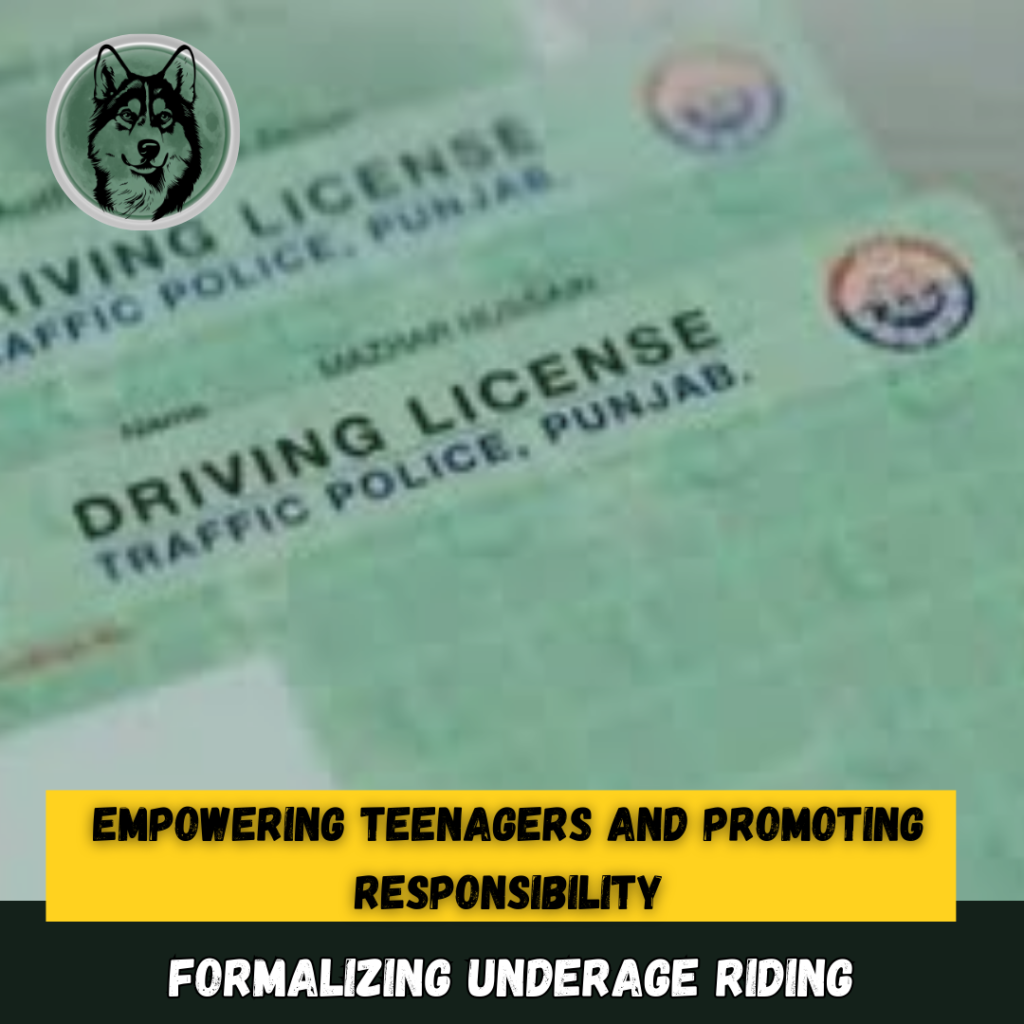
Following the controversy, the Punjab government proposed allowing 16-year-olds to obtain motorcycle licenses and smart cards, lowering the age from 18.
Officials said this policy is pragmatic, not permissive, aimed at regulating an already widespread practice rather than encouraging underage riding.
- Punjab Information Minister Uzma Bokhari clarified: “If an accident occurs due to a mistake, the rider will be fined; serious incidents will fall under the Juvenile Act.”
- The move is intended to formalize underage riding while keeping parents partially accountable.
Parents Divided: Safety vs. Responsibility
Reactions among parents of teenagers have been mixed:
- Some support the policy, citing international examples and emphasizing responsibility and empowerment.
- Others argue that licenses shift accountability from parents to minors, potentially creating legal and civil liability issues.
“The police should confiscate the motorbike and fine the parents if a child violates traffic rules instead of issuing licenses,” said a father from Rawalpindi.
Daniyal Naseer from Faisalabad praised the government’s plan, saying it would empower teenagers and promote responsibility.
Accountability and Risks
Legal and traffic experts warn that licensing minors may create a vacuum of accountability:
- Farooq Amjad Meer, senior partner at Meer Hasan Attorneys, noted that a licensed 16-year-old causing an accident might leave no one legally responsible for damages.
- Sunil Munj, co-founder of PakWheels.com, emphasized that the debate on age distracts from enforcement failures, stating that scrutiny and implementation matter more than the age limit.
International evidence also highlights potential risks:
- In Switzerland, lowering the motorcycle age to 16 led to serious injuries among riders under 18 nearly tripling within three years.
Ethical and Implementation Challenges
Traffic officials question the ethical and practical aspects of issuing licenses to minors:
- Anonymous senior police official warned that accidents could spark public criticism if the government licenses “immature” riders.
- Lahore Traffic Police DIG Athar Waheed described the policy as a juvenile driving permit, emphasizing it will be provisional and limited to motorcycles.
- Criminal liability: If a juvenile holds a permit, parents will not be responsible—the rider will be accountable for their own actions.
- The debate on 16-year-old motorcycle licenses in Punjab is not just about age—it raises broader questions about responsibility, safety, and enforcement.
The effectiveness of this policy will depend on:
- Proper training for young riders
- Enforcement of traffic rules
- Insurance coverage
- Clear civil and criminal accountability
Until these factors are addressed, the controversy is likely to continue.