
Strait of Hormuz crisis triggers global energy shock and economic fears
Iran Credits Russia for Wartime Support
Iranian President Masoud Pezeshkian has praised Vladimir Putin and the Russian people for their support during the ongoing conflict with the United States, calling it a source of “inspiration” for Iran.
Speaking on Thursday, Pezeshkian highlighted Iran’s resilience and suggested that growing regional cooperation could reshape security dynamics in East Asia. He also expressed gratitude to Moscow for standing with Tehran during escalating tensions.
US and Israel Confirm Killing of IRGC Commander
The United States and Israel confirmed the death of Iranian naval commander Alireza Tangsiri in an airstrike, describing it as a major blow to Iran’s military capabilities.
According to United States Central Command, Tangsiri had led operations involving attacks on commercial shipping and was previously sanctioned for drone development.
Israeli Prime Minister Benjamin Netanyahu said the commander played a key role in disrupting maritime traffic, including activities around the strategic Strait of Hormuz.
Pentagon Considers ‘Final Blow’ Options
The Pentagon is reportedly preparing options for a decisive military escalation, including large-scale bombing and potential ground operations.
Proposals under discussion include targeting key Iranian-controlled islands such as Kharg, Larak, and Abu Musa, as well as enforcing a blockade on Iranian oil shipments near the Strait of Hormuz.
US officials believe that overwhelming force could strengthen Washington’s negotiating position, although no final decision has been made by President Donald Trump.
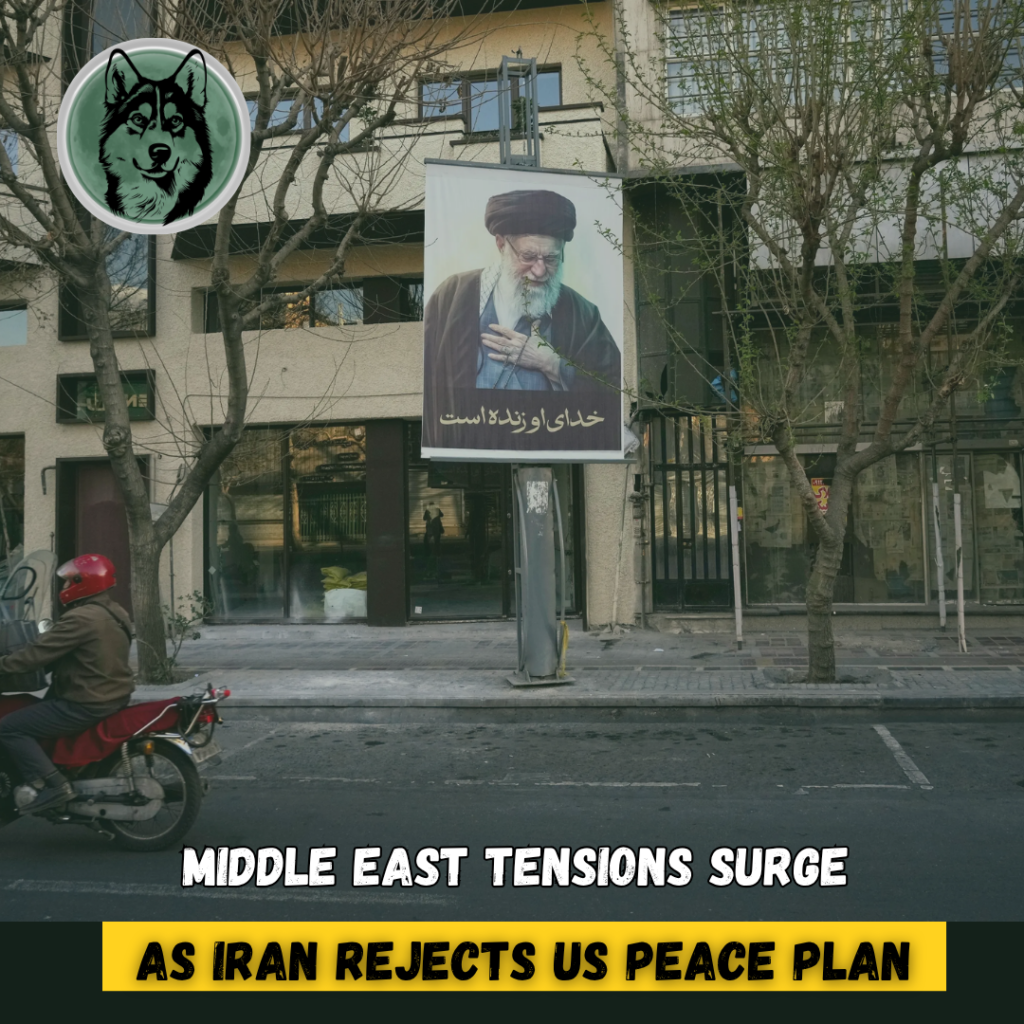
Iran Rejects US Peace Proposal
Tehran has dismissed Washington’s proposed 15-point peace plan as “one-sided,” insisting that any resolution must align with its own conditions.
Iranian officials maintain that current exchanges with the US do not constitute negotiations but rather indirect communication through intermediaries.
Pakistan Facilitates Indirect Talks
Pakistan has emerged as a key diplomatic channel, relaying messages between Washington and Tehran. Foreign Minister Ishaq Dar confirmed that indirect communication is ongoing, with support from regional actors including Türkiye and Egypt.
He stressed that dialogue remains the only viable path to de-escalation and regional stability.
Trump Criticises NATO’s Role
President Trump criticised NATO for what he described as inaction during the conflict, claiming the United States does not rely on the alliance.
His remarks come amid growing divisions between Washington and European allies, some of whom have distanced themselves from the conflict.
Regional Violence and Civilian Impact
The conflict continues to spill over across the Gulf region. In Abu Dhabi, two people were killed after debris from an intercepted missile struck a roadway, highlighting the widening humanitarian toll.
Meanwhile, Iran has intensified its military campaign under “Operation True Promise 4,” targeting US bases and strategic infrastructure across the region.
Global Energy Crisis Deepens
The closure of the Strait of Hormuz — a critical route for nearly 20% of global oil supply — has triggered what analysts describe as the worst energy shock in history.
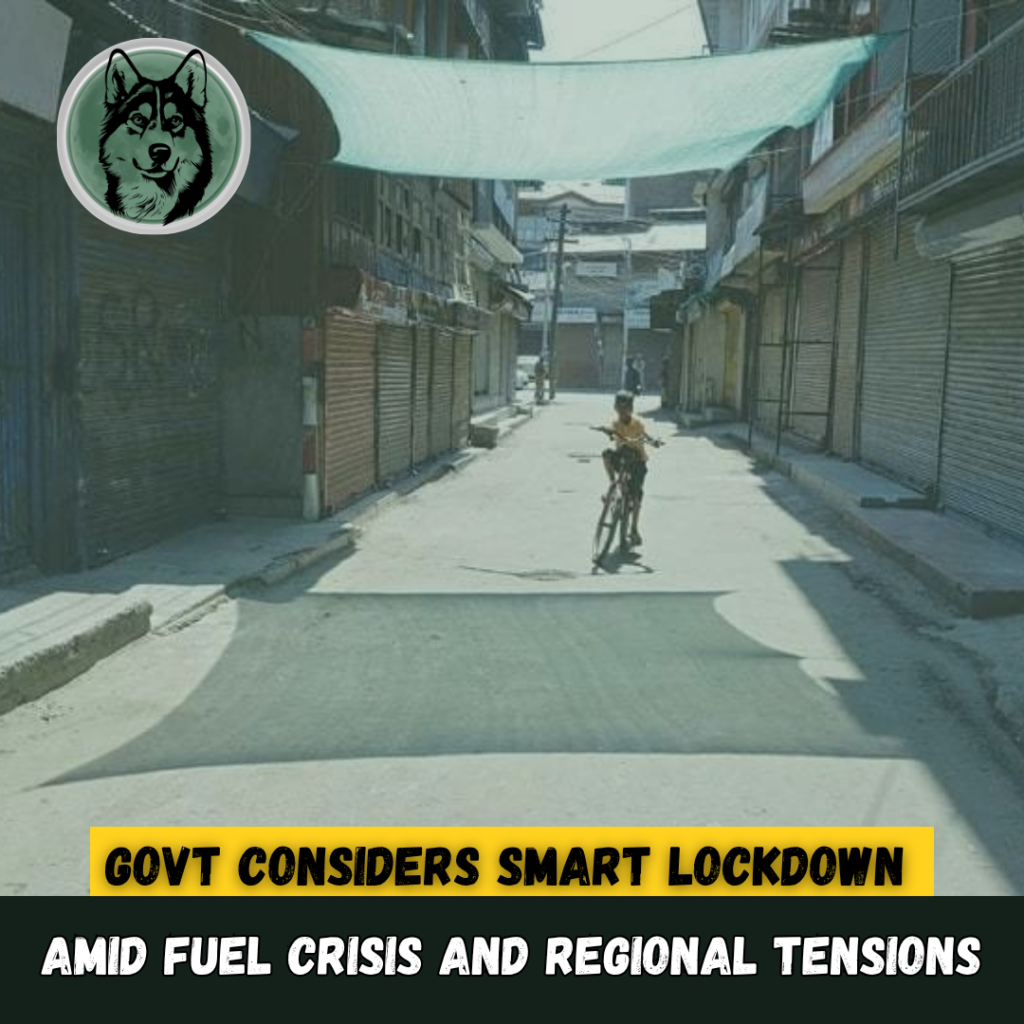
Rising oil prices, supply chain disruptions, and fuel shortages are affecting economies worldwide, with sectors ranging from agriculture to aviation under pressure.
UN Warns of Wider War
Antonio Guterres warned that the conflict is “out of control” and risks escalating into a broader regional war.
He urged all parties to shift from military escalation to diplomacy, warning that continued fighting could lead to severe humanitarian and economic consequences globally.