





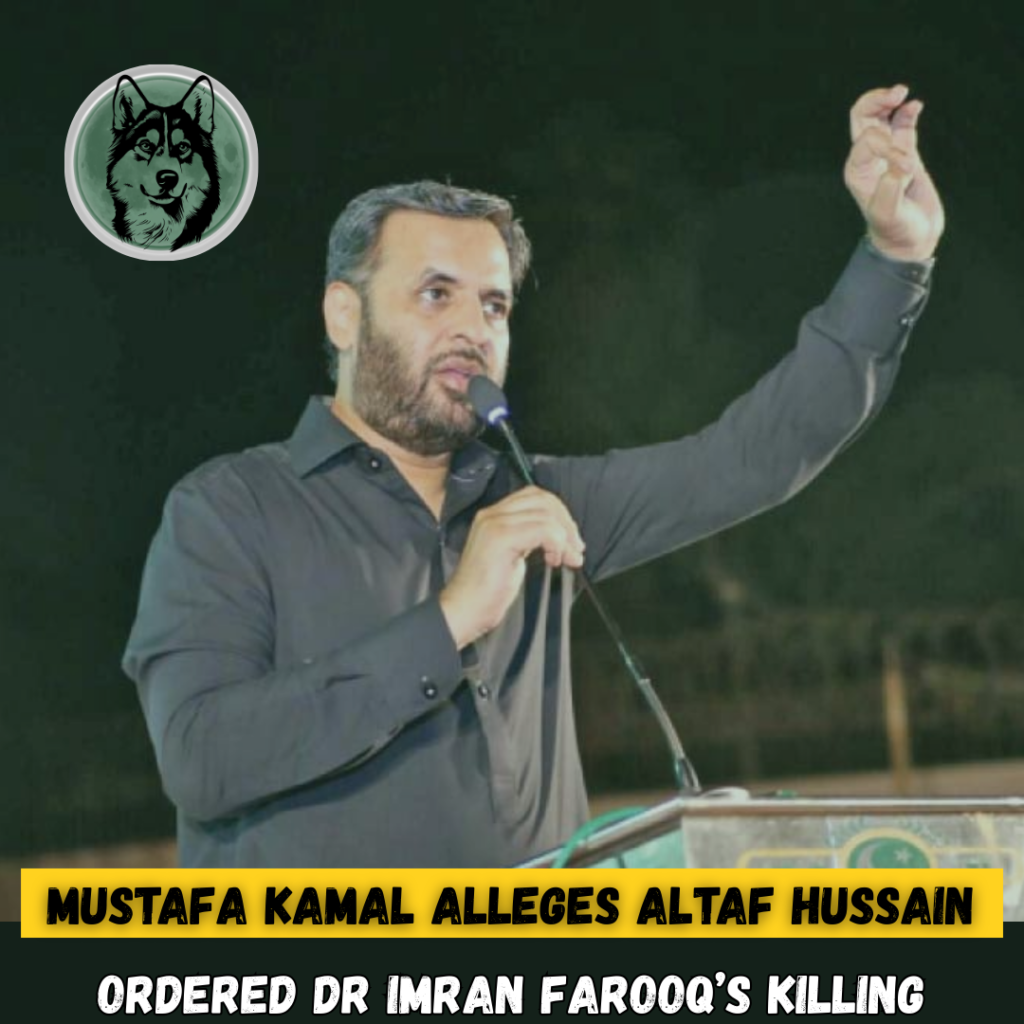
Federal minister claims murder was ordered under intoxication; MQM’s violent history resurfaces
Senior Muttahida Qaumi Movement-Pakistan leader and Federal Minister Mustafa Kamal has reignited one of Pakistan’s most controversial political cases by accusing MQM founder Altaf Hussain of personally ordering the murder of senior party leader Dr Imran Farooq.
Speaking at a press conference in Karachi, Kamal alleged that Hussain issued the order while intoxicated, claiming the killing was carried out on direct instructions from London. The remarks have once again drawn national attention to a murder that continues to shadow MQM’s political legacy.
Who Was Dr Imran Farooq?
Dr Imran Farooq was not just a senior leader of the MQM; he was widely regarded as the ideological backbone of the party. As a founding member, he played a decisive role in shaping MQM’s organisational discipline, political direction, and internal structure during its formative years.
In 1999, Dr Farooq moved to London following a security crackdown against MQM, amid allegations of militant activity. Despite physical distance, his influence within the party remained significant.
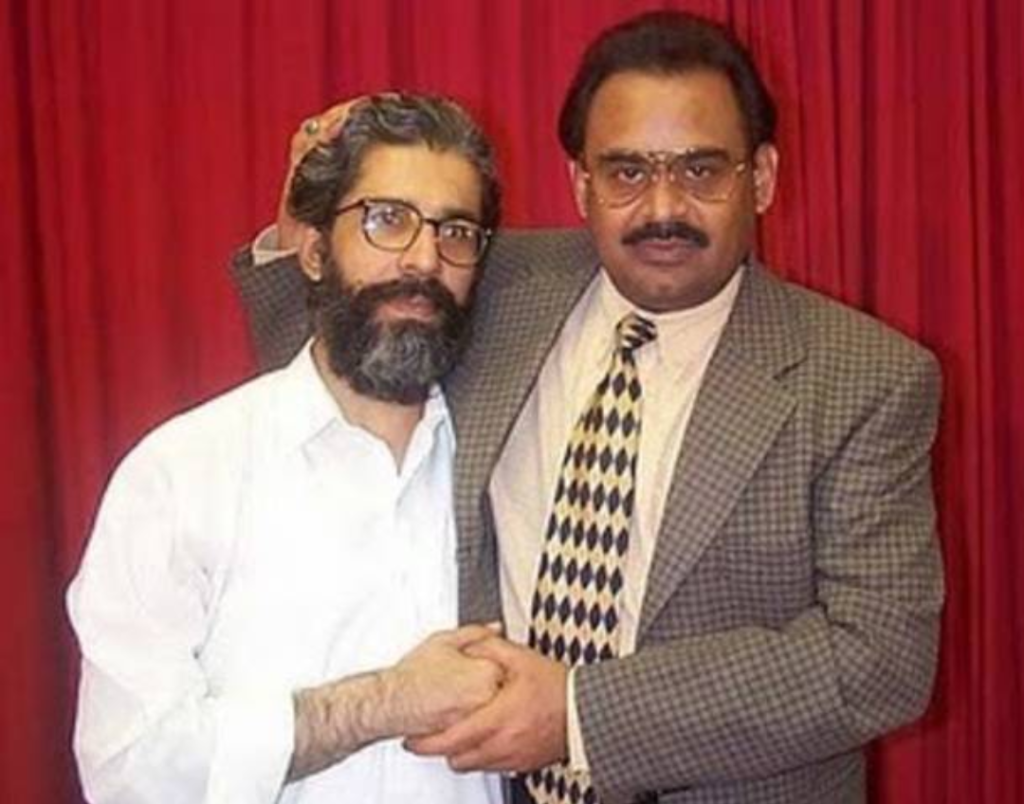
The Murder That Changed Everything
On September 16, 2010, Dr Farooq was brutally killed outside his London home after returning from work. British police reported that he was attacked by two assailants using knives and a brick, resulting in his death at the scene.
The killing sparked international outrage and triggered a prolonged investigation by Scotland Yard. Although several MQM members were later convicted, questions surrounding the role of the party’s senior leadership never fully disappeared.
Kamal’s Fresh Allegations
At the press conference, Mustafa Kamal used unusually harsh language, describing Altaf Hussain as a “theatrical man” who treats violence as spectacle. He alleged that Hussain turned the tragedy into a public display, even appealing for large sums of money to transport the body to Pakistan.
Kamal further claimed the killing was carried out as a “gift” on Hussain’s birthday, alleging that donation appeals were made alongside the act. He also accused the MQM founder of relying on foreign funding and destroying generations through politics rooted in fear and violence.
Family, Fallout, and Lingering Trauma
Dr Farooq’s widow, Shumaila Farooq, who remained under Scotland Yard protection after the murder, passed away in London on December 19 this year following a battle with throat cancer. Kamal stated that he remained in contact with the family and urged Dr Farooq’s children to distance themselves from Altaf Hussain.
Legal Outcome and Unfinished Questions
In 2020, an anti-terrorism court in Islamabad sentenced three MQM members—Khalid Shamim, Mohsin Ali, and Moazzam Ali—to life imprisonment for Dr Farooq’s murder. Each was fined Rs1 million, payable to the victim’s family.
British authorities shared key evidence with Pakistan after receiving assurances that the accused would not face capital punishment. The court also ordered the seizure of property belonging to absconding suspects, while investigators pointed to political motives behind the killing.
Critical Analysis: A Case That Refuses to Fade
Mustafa Kamal’s allegations underline a deeper issue within Pakistan’s political culture where accountability often arrives years late and truth remains contested. While courts have delivered convictions, the persistent claims about senior leadership involvement suggest unresolved power dynamics within MQM.
The party’s fragmentation, loss of public trust, and declining influence in Karachi can all be traced back to unresolved violence and leadership crises. Kamal’s statements may be politically motivated, but they also reflect a broader demand for moral clarity in a case that symbolised the dark side of urban politics.
Until all questions surrounding Dr Imran Farooq’s killing are conclusively addressed, the case will continue to define MQM’s past and limit its future.
Conclusion
Dr Imran Farooq’s murder was not merely a crime; it was a turning point in Karachi’s political history. Mustafa Kamal’s renewed accusations have reopened old wounds, reminding Pakistan that unresolved violence has long-term consequences.
Justice, in such cases, is not only about court verdicts it is about restoring public trust, acknowledging truth, and breaking cycles of fear-driven politics.