



Fog expected to intensify in Islamabad, KP and upper Sindh
NDMA issues nationwide smog and fog alert
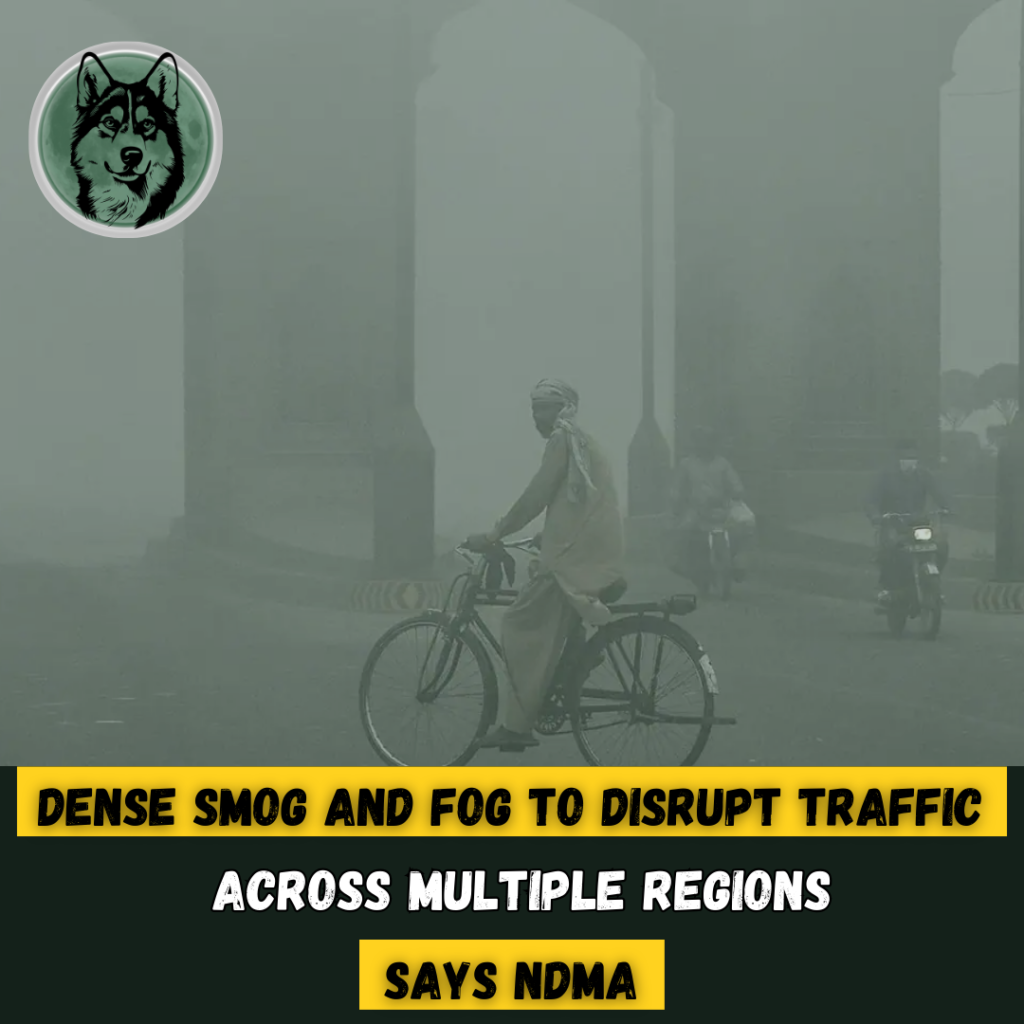
The National Disaster Management Authority (NDMA) has issued an alert warning of worsening smog and dense fog conditions across several parts of the country, cautioning that reduced visibility may disrupt traffic flow and increase the risk of road accidents.
According to the advisory issued on Wednesday, the situation is expected to persist until December 20, particularly during night-time and early morning hours.
Cities most affected
The NDMA has identified a significant rise in smog levels in several major urban centres, including:
Lahore, Faisalabad, Multan, Bahawalpur, Sialkot, Gujranwala and Sheikhupura.
Meanwhile, Rawalpindi and Islamabad, along with several areas of Khyber Pakhtunkhwa, are likely to experience intensifying fog, while upper Sindh may also see sharp increases in fog density over the coming days.
Traffic risks and visibility concerns
Authorities warn that low visibility during peak fog hours poses a serious threat to road safety, particularly on highways, motorways and intercity routes. Past trends show that smog and fog episodes often lead to traffic pile-ups, delayed transport services and fatal accidents if precautionary measures are ignored.
Drivers have been strongly advised to avoid unnecessary travel, reduce speed, use fog lights and maintain safe following distances.
NDMA directives and preparedness
The NDMA has instructed relevant provincial and local authorities to take special steps to mitigate the impact of smog and fog. These include:
• Enhanced traffic monitoring
• Public awareness advisories
• Emergency response readiness
The authority has also urged citizens to stay informed through official weather updates and follow safety guidelines strictly.
Critical analysis: A recurring winter challenge
Experts say the recurring smog crisis highlights structural environmental and urban planning challenges, including vehicle emissions, industrial pollution and inadequate enforcement of environmental regulations. While fog is a natural winter phenomenon, human-induced smog continues to worsen visibility and health outcomes, particularly in densely populated cities.
Without long-term policy interventions, analysts warn that seasonal alerts alone may not be enough to prevent accidents and health emergencies.
Public advisory
The NDMA advises the public to:
Limit outdoor exposure, drive cautiously, avoid peak fog hours and remain alert to changing weather conditions.