




Pakistan and Saudi Arabia are turning financial support into advanced fighter jets, reshaping defence and economic prospects amid uncertainty
The defence agreement was finalized in the aftermath of Israel’s military strikes, which it described as targeting Hamas positions in Doha, signaling heightened regional tensions and prompting strategic security moves
Pakistan-Saudi Talks
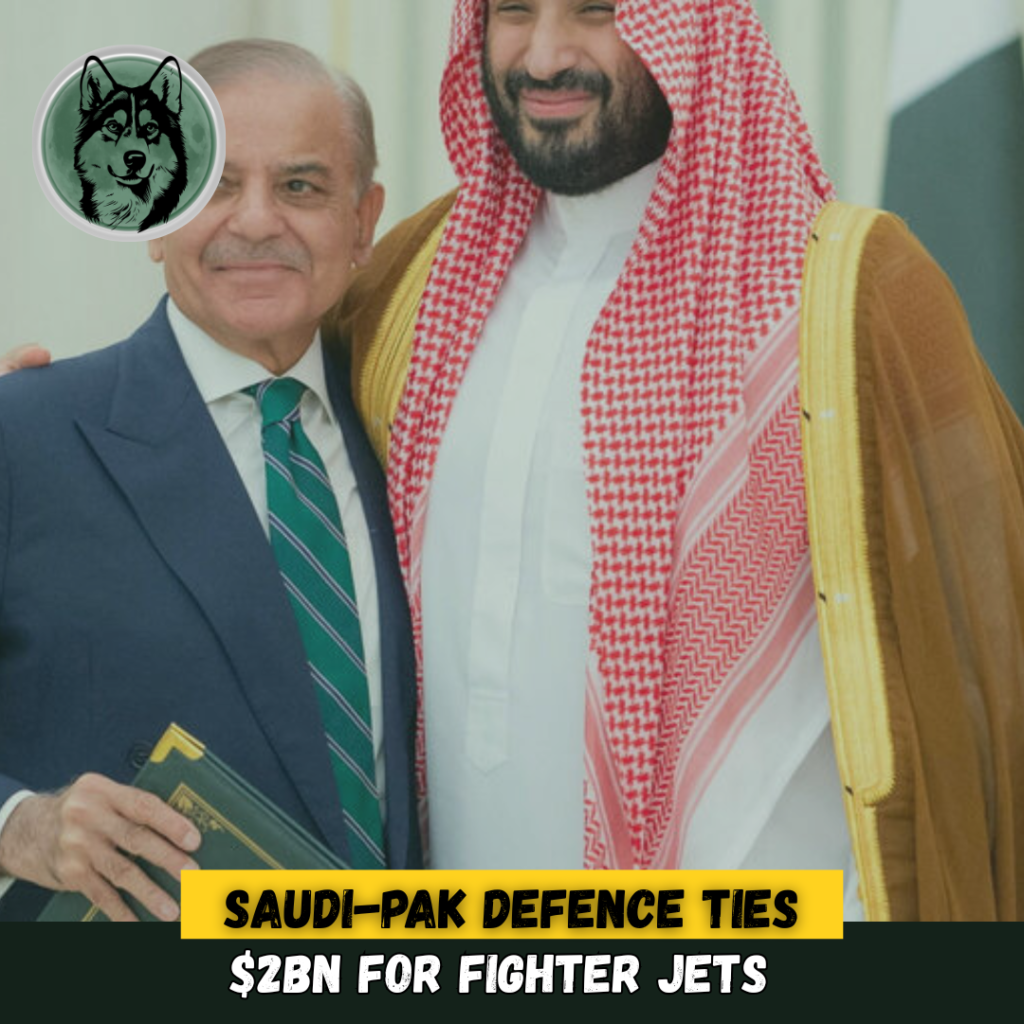
Pakistan and Saudi Arabia are discussing converting around $2 billion of Saudi loans into a JF-17 fighter jet deal, according to two Pakistani sources. The move deepens military cooperation months after the two nations signed a mutual defence pact last year.
The discussions focus primarily on JF-17 Thunder jets, the light combat aircraft co-developed by Pakistan and China and produced domestically. Other options may also be under consideration, but jets remain the central focus.
Deal Value
The total deal could be worth $4 billion, with an additional $2 billion for equipment beyond the loan conversion. The sources, close to the military, spoke on condition of anonymity.
Strategic Context
The defence pact was signed in September following Israel’s strikes on Hamas targets in Doha, which heightened Gulf tensions. The pact commits both countries to treat aggression against one as aggression against both. Pakistan has historically provided military support to Saudi Arabia, while Riyadh has offered financial backing during Pakistan’s economic crises.
JF-17 Market Advantage
Retired Air Marshal Aamir Masood said Pakistan is negotiating defence deals with six countries, including Saudi Arabia. He noted the JF-17’s combat-tested status and cost-effectiveness, citing its deployment during last year’s India-Pakistan clashes.
Pakistan’s Defence Outreach
Pakistan recently signed a $4 billion arms deal with Libya’s eastern-based Libyan National Army, including JF-17 fighter jets and training aircraft. Talks are ongoing with Bangladesh and other countries to expand arms exports. The government hopes to monetise its domestic defence industry and reduce reliance on IMF support.
Economic Context
Pakistan is under a $7 billion IMF programme, its 24th, following a short-term $3 billion deal in 2023.
Saudi Arabia and Gulf allies have repeatedly rolled over deposits and deferred payments, stabilizing Pakistan’s foreign reserves. Defence exports, if scaled up, could boost foreign currency inflows and help the country weather economic stress.
Critical Analysis: Implications for Pakistan
1. Defence Strengthening
Converting loans into fighter jets enhances Pakistan’s air power. It signals closer strategic alignment with Saudi Arabia and increases operational readiness in the region.
2. Economic Relief
The initiative reduces the immediate cash burden on Pakistan. It converts financial support into tangible military assets, preserving reserves and limiting external borrowing.
3. Defence Industry Growth
The deal showcases Pakistan’s JF-17 production capacity. Successful exports could strengthen the domestic defence sector and encourage technology transfer.
4. Geopolitical Significance
The pact and arms deal highlight Saudi Arabia’s hedging against U.S. uncertainty in the Middle East.
Pakistan gains political leverage and reinforces its role as a regional defence partner.
5. Risks
Dependence on loan conversions may delay structural economic reforms. Heavy reliance on arms exports could expose Pakistan to regional geopolitical fluctuations.