




Pakistan weather alert intensifies as rain forecast, snowfall, thunderstorms, and severe cold wave threaten multiple regions
A Pakistan weather alert has been issued as rain, snowfall, thunderstorms, and a severe cold wave are set to affect the country next week, with Punjab, Islamabad, Karachi, Gilgit-Baltistan, Khyber Pakhtunkhwa, and Kashmir all expected to face challenging weather conditions. The Pakistan weather alert comes as a westerly weather system enters the region, raising concerns over travel disruption, health risks, and infrastructure strain.
Westerly Weather System to Trigger Widespread Rain
According to the Meteorological Department, a weak westerly wind system will begin impacting Pakistan from January 16, gradually strengthening by January 20. From January 21 onward, the system is expected to expand across a wider area, bringing intermittent rain, cloud cover, and unstable weather to much of the country.
Snowfall Warning for Northern and Hilly Areas
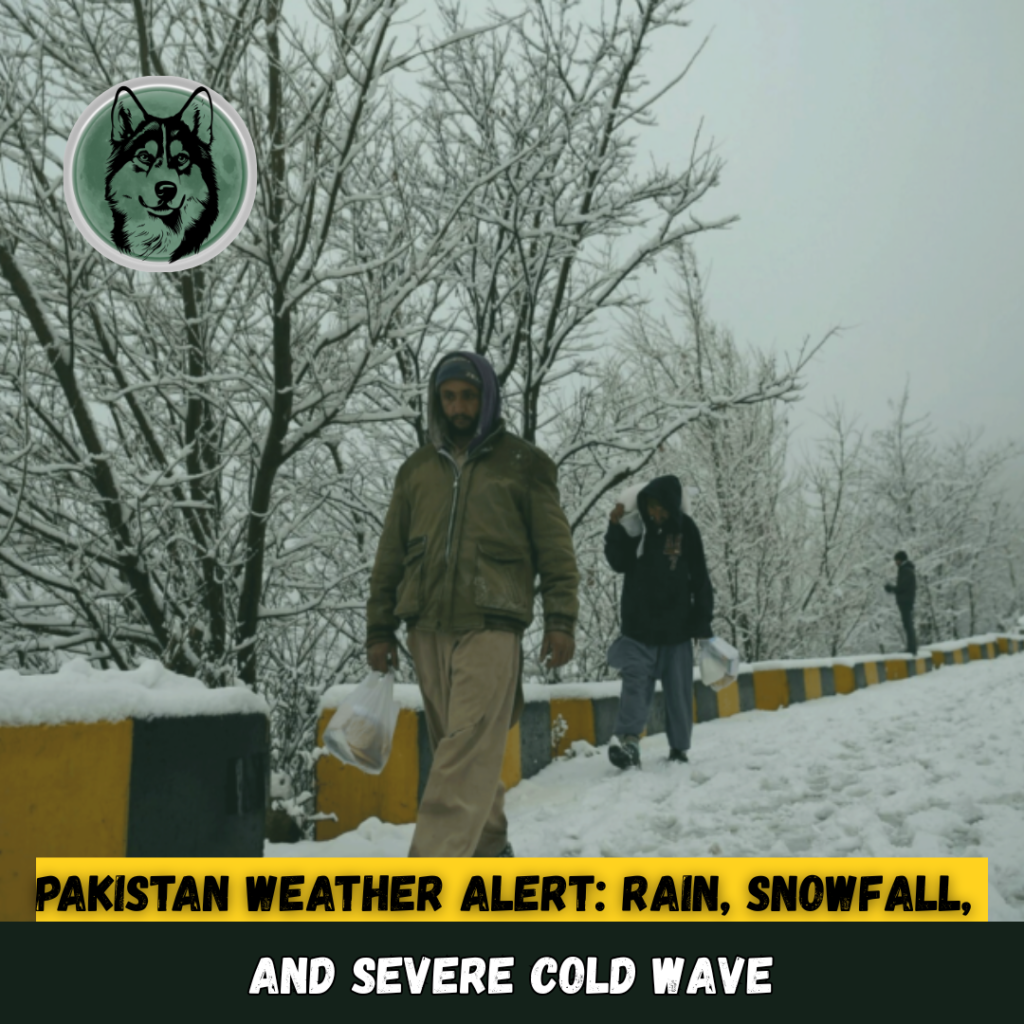
Under the Pakistan rain and snowfall forecast, Gilgit-Baltistan and Azad Kashmir are expected to receive rain and snowfall from January 16 to 19. Murree and the Galiyat may also experience snowfall between January 18 and 20, increasing the risk of road closures and travel delays in tourist areas.
Rain Forecast for Islamabad and Punjab
The rain forecast for Punjab and Islamabad indicates rainfall from January 20 to 23. Several districts may witness wet conditions that could offer temporary relief from dry weather but also lead to urban congestion, slippery roads, and disruptions to daily life.
Thunderstorms Likely in Karachi and Sindh
The Karachi weather forecast warns of rain and thunderstorms on January 22 and 23, as clouds build under the influence of westerly winds. Authorities have advised residents to remain cautious during periods of thunder activity and reduced visibility.
Severe Cold Wave Alert Issued
Alongside the rain forecast, a severe cold wave alert in Pakistan has been issued for Gilgit-Baltistan, upper Khyber Pakhtunkhwa, and Azad Kashmir, where night and early-morning temperatures are expected to drop sharply until the end of January. The extreme cold poses serious health risks, particularly for children, the elderly, and those without adequate heating.
Snowfall, Avalanches, and Infrastructure Risks
Authorities warned that moderate to heavy snowfall may disrupt road connectivity, transport systems, and electricity supply in upper regions. A heightened avalanche risk has also been flagged in mountainous areas, while hailstorms in some plain regions could damage crops and orchards, affecting livelihoods.
Public Safety and Travel Advisory
Citizens have been strongly advised to avoid unnecessary travel, especially in snow-prone areas. Motorists are urged to use tyre chains in icy conditions, while residents are advised to use heaters carefully to prevent fire incidents and carbon monoxide poisoning.
Provincial and district administrations have been directed to remain on high alert, ensure the availability of emergency machinery, and respond swiftly to any weather-related emergencies.