


Iran is in turmoil as citizens protest economic hardships, while authorities struggle to balance restraint with security amid growing violence
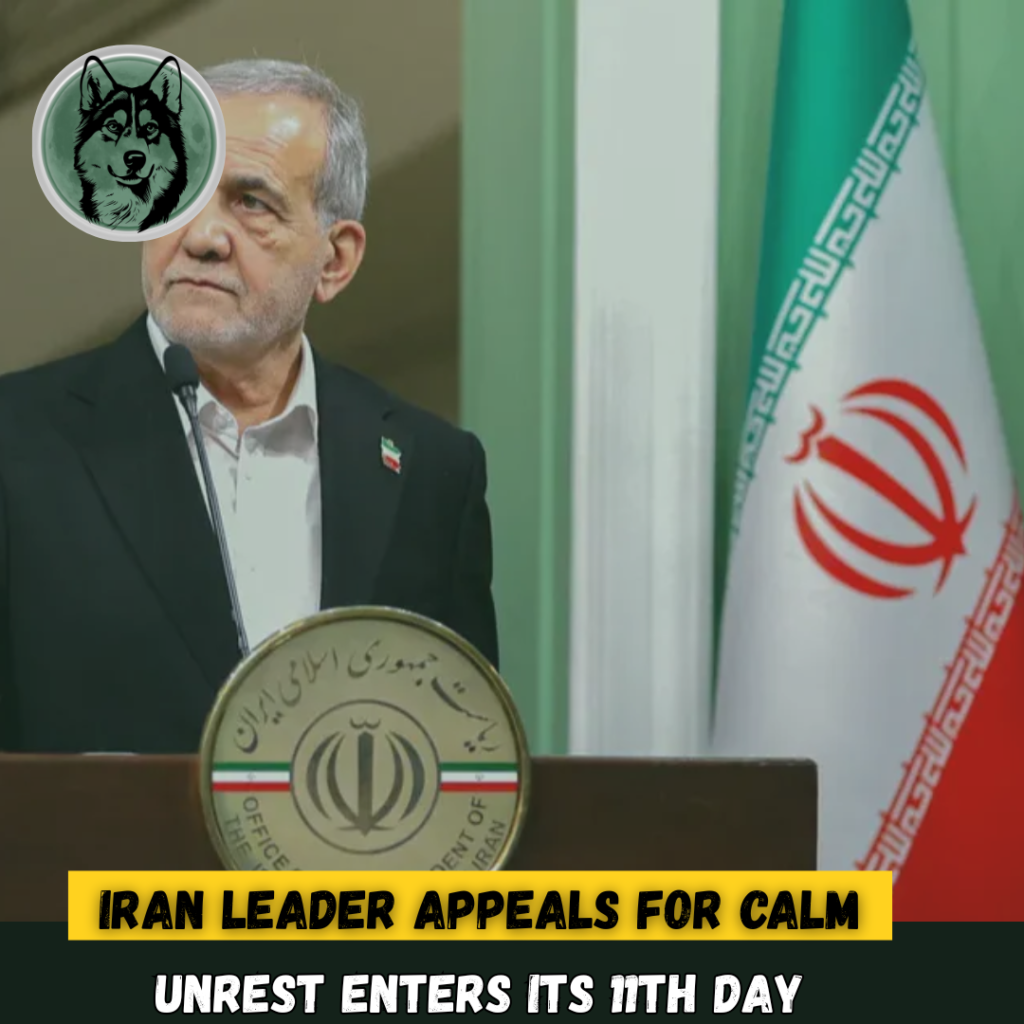
Iranian President Masoud Pezeshkian calls for restraint amid protests, urging distinction between peaceful demonstrators and armed rioters, as unrest enters its 11th day with rising casualties.
He emphasizes the need to separate lawful, nonviolent protesters from individuals committing violent or armed acts during demonstrations
Government Statement
In a video released by Mehr news agency, Vice President Mohammad Jafar Ghaempanah said no security measures should target demonstrators. He added:
- Those carrying firearms, knives, or machetes and attacking police or military sites are rioters.
- Authorities must distinguish between peaceful protesters and violent rioters.
Casualties Reported
Security forces have reportedly killed at least 27 protesters, including five minors, according to Iran Human Rights (IHR). Official Iranian media confirmed 15 deaths, including security personnel, and reported a policeman shot dead on Tuesday.
Ongoing Clashes
In southwest Iran, Fars news agency reported two dead and 30 wounded in Lordergan.
Clashes began when rioters threw stones at police. Some also used military and hunting weapons. In Bojnurd, northeastern Iran, rioters allegedly attacked a mosque and set fire to a store selling religious books, Tasnim reported.
Military Warning
General Amir Hatami, commander of the Iranian army, warned Tehran would respond firmly to external threats. He said: “If the enemy makes a mistake, Iran’s response will be more robust than during last June’s 12-day war with Israel.” Recent international attention includes warnings from US President Donald Trump and support messages from Israeli Prime Minister Benjamin Netanyahu.
Background
The protests began December 28 with a strike at a Tehran mobile phone market.
The unrest is driven by economic hardships, political discontent, and anger over governance.
Critical Analysis: Iran’s Internal Crisis
1. Economic Strain
Widespread inflation, unemployment, and market disruptions fuel citizen frustration. Small business strikes highlight deep economic vulnerabilities.
2. Governance and Public Trust
Calls for restraint show the government is aware of public anger and international scrutiny. However, repeated clashes and fatalities erode trust in authorities and signal a growing legitimacy crisis.
3. Escalation of Violence
Protests have turned violent in some areas, with rioters attacking mosques, stores, and police. Use of lethal force by security forces has increased casualties, further inflaming tensions.
4. Regional and Global Impact
Iran faces external pressures from the US and Israel. Statements by international leaders could influence internal policies or intensify nationalistic rhetoric. Escalating unrest risks destabilizing neighboring regions and affecting global economic ties.
5. Future Implications
Without meaningful reforms, protests may spread nationwide. Persistent unrest could weaken Iran’s domestic stability, strain military resources, and create long-term social unrest.