




Punjab is taking healthcare to every doorstep, empowering women and transforming lives
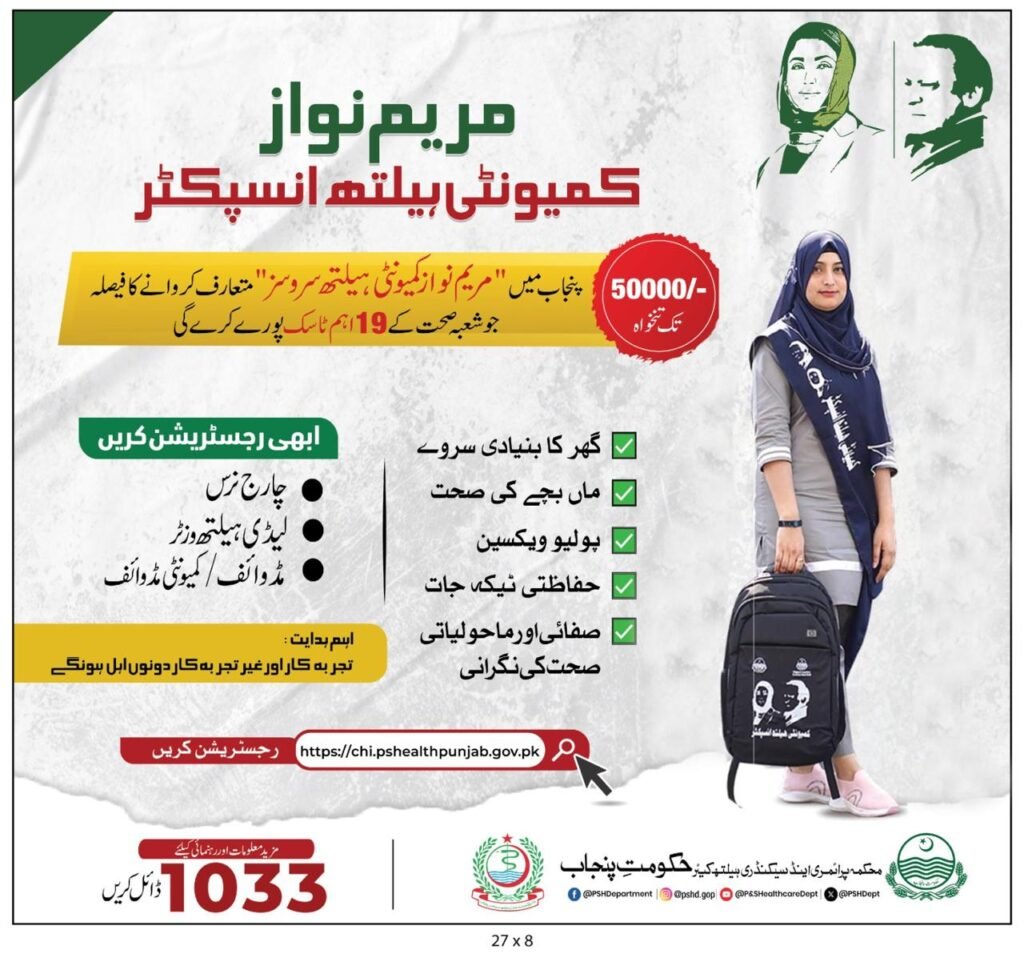
Chief Minister Maryam Nawaz launches the Community Health Inspectors Programme, hiring 55,000 inspectors to provide preventive healthcare, basic diagnostics, and doorstep services across Punjab.
CM Launches Health Inspectors Programme
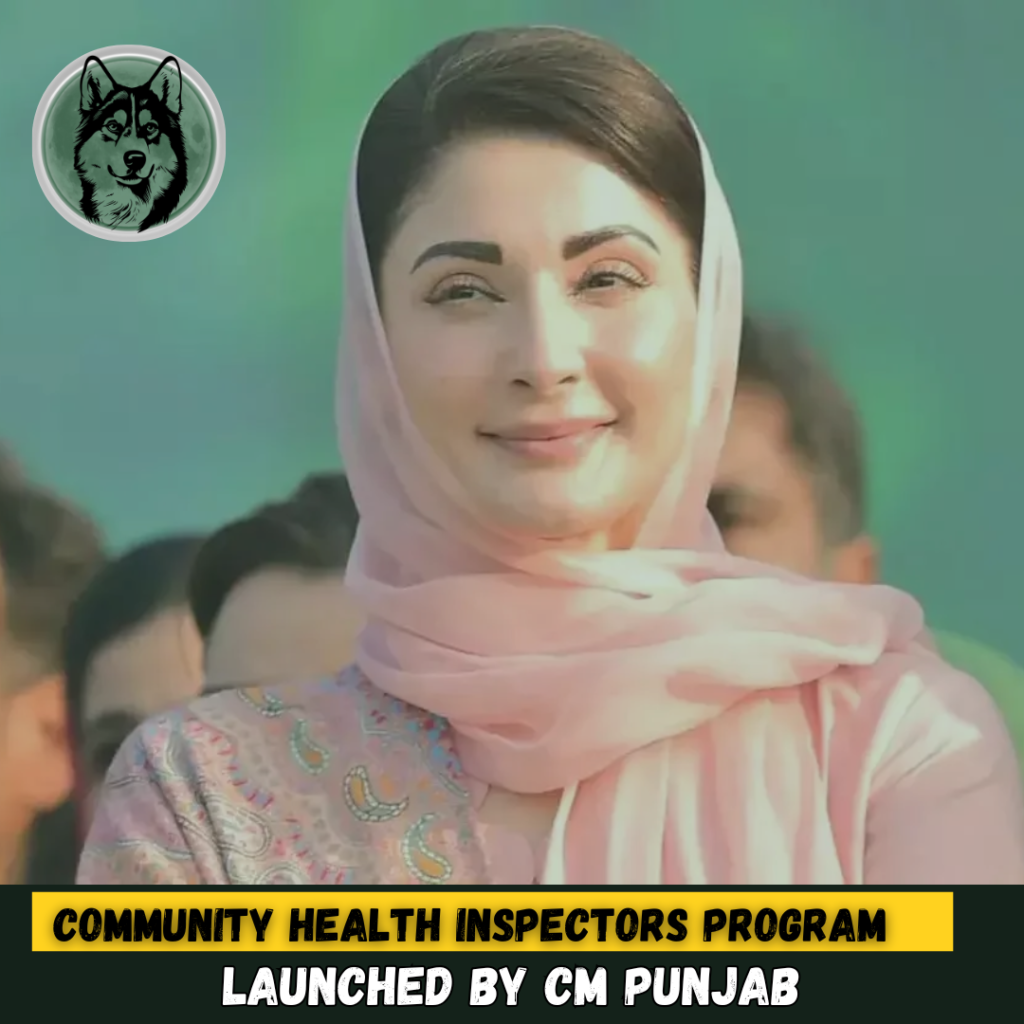
Chief Minister Maryam Nawaz said her government focuses on proactive governance. Preventive healthcare is central to her vision. She inaugurated the Community Health Inspectors Programme on Wednesday. Under this programme, 55,000 inspectors will be hired to serve at the grassroots level.
Empowering Women and Communities
Maryam Nawaz said women in Punjab have the strength to change the province’s destiny. The inspectors have undergone months of training. She called them the government’s “eyes, ears, and pride.”
Services and Facilities
Inspectors will conduct basic diagnostic tests, including blood sugar checks, and administer injections. The programme will create a digital health profile for every household. Patients will be examined and referred to hospitals when necessary.
Employment and Salaries
The programme has already employed 25,000 individuals. Each receives a monthly salary of Rs50,000, with increases based on performance. CM Nawaz personally approved uniforms and toolkits for the inspectors.
Healthcare Reforms in Punjab
CM Maryam highlighted clinics-on-wheels, field hospitals, and free medicines for cancer and heart diseases. Cardiology institutes have been established in Sargodha, Sahiwal, and Murree, with a cath lab in Jhelum. She emphasized that the government will bring healthcare to people, not the other way around.
Critical Analysis: Impact of the Initiative
1. Strengthening Preventive Healthcare
The programme shifts Punjab from reactive to proactive healthcare. Door-to-door inspections can detect diseases early, reducing treatment costs and mortality.
2. Women Empowerment
Hiring thousands of women as health inspectors strengthens gender inclusion and economic empowerment. This also enhances community trust in healthcare services.
3. Digital Health Records
Creating digital profiles enables efficient tracking of public health trends. It modernizes healthcare delivery and improves data-driven decision-making.
4. Socio-Economic Benefits
The initiative provides stable employment, promotes skill development, and supports rural healthcare accessibility. It reduces pressure on hospitals and empowers citizens to take control of their health.
5. Challenges Door-to-door services are demanding and require continuous training, supervision, and resources.
The success depends on effective implementation, monitoring, and integration with existing healthcare infrastructure.