



Bilateral relations hit new low amid mutual accusations
Diplomatic Protests Exchanged in a Single Day
India and Bangladesh on Tuesday summoned each other’s envoys to lodge formal protests over recent incidents, highlighting renewed strain in bilateral relations already marked by heightened political and security tensions.
In Dhaka, Indian High Commissioner Pranay Verma was summoned to the Bangladeshi foreign ministry, where officials expressed strong objections to what they described as “regrettable incidents” outside the Bangladesh High Commission in New Delhi and the vandalisation of a Bangladeshi visa centre in Siliguri.
Dhaka Raises Security Concerns
According to Bangladeshi officials, the incidents occurred on December 20 outside the High Commission and at the Siliguri visa centre on December 22, allegedly carried out by extremist elements.
A foreign ministry readout said Bangladesh conveyed its “grave concern” over violent protests staged outside its diplomatic premises in India, stressing the obligation of host authorities to ensure the safety of diplomatic missions.
India Responds, Seeks Investigation
Later in the day, Bangladesh High Commissioner Riaz Hamidullah was called in by India’s Ministry of External Affairs.
Indian officials raised concerns over the killing of Bangladeshi radical student leader Sharif Osman Hadi, urging Dhaka to conduct a thorough investigation instead of prematurely blaming India.
An Indian official was quoted as saying that unsubstantiated allegations regarding India’s involvement had fueled anti-India protests in Bangladesh, including an attempt by a mob to storm the Indian Assistant High Commission in Chittagong last week.
Protests and Security Measures in New Delhi
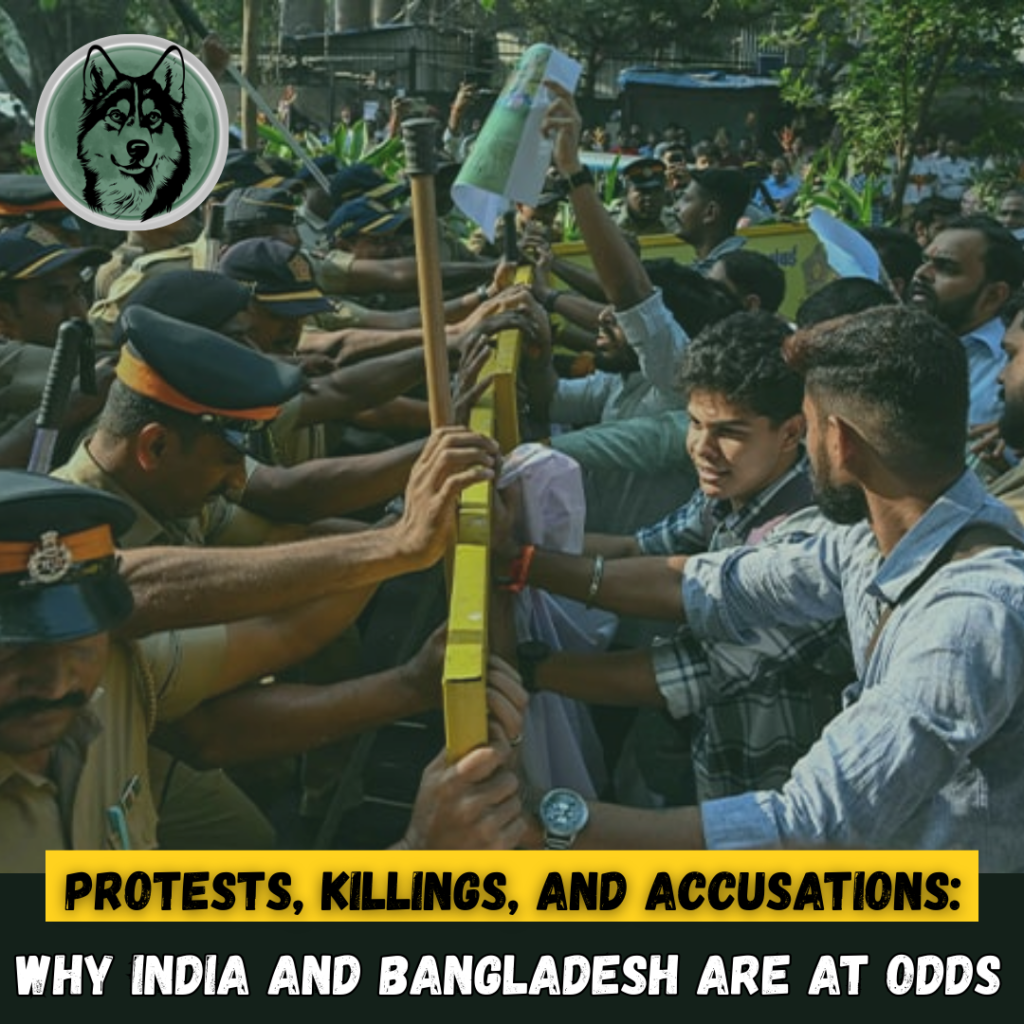
The diplomatic exchange came as Indian security forces blocked right-wing Hindu nationalist groups, including the Vishwa Hindu Parishad and Bajrang Dal, from marching toward the Bangladeshi mission in New Delhi.
The groups had announced protests over the recent lynching of Dipu Chandra Das, a Hindu garment factory worker in Bangladesh’s Mymensingh district. Das was reportedly beaten to death, tied to a tree, and his body set on fire.
Police barricaded the area, detained protesters briefly, and transported them away to prevent any breach. Authorities confirmed no untoward incident occurred.
India Rejects ‘Security Breach’ Claims
Following earlier demonstrations outside the Bangladeshi mission, India dismissed reports of a security breach as “misleading propaganda,” while expressing concern over the “horrendous killing” of Dipu Chandra Das and calling for those responsible to be brought to justice.
Critical Analysis: Diplomatic Fragility on Both Sides
The latest exchange of summons reflects a fragile phase in India-Bangladesh relations, where domestic incidents and street protests are increasingly spilling into diplomatic channels.
While Bangladesh has focused on the safety of its diplomatic missions in India, New Delhi appears equally concerned about what it sees as politicised accusations and deteriorating security conditions in Bangladesh.
The repeated summoning of envoys, the second such incident in just ten days signals not a single flashpoint, but a pattern of mistrust that risks further escalation if not managed through quiet diplomacy.
The Bigger Picture
As nationalist sentiment rises on both sides of the border, even isolated incidents are rapidly magnified, leaving little room for calm engagement.
Whether New Delhi and Dhaka can prevent further deterioration will depend on credible investigations, restraint on the streets, and renewed diplomatic dialogue behind closed doors.