



The Modern Parenting Challenge
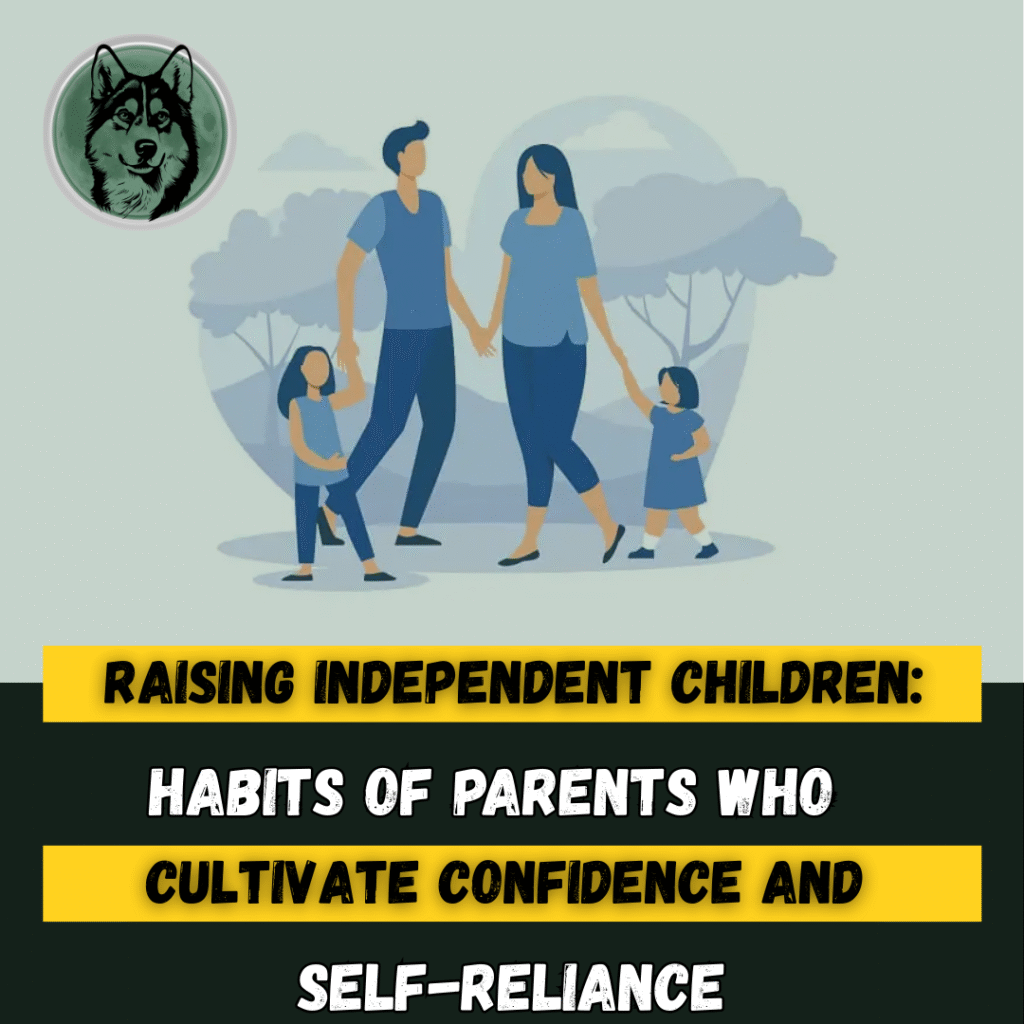
In today’s fast-paced world, many parents struggle between protecting their children and allowing them to grow independently. Overprotection can lead to dependence, low self-esteem, and anxiety, while fostering independence encourages confidence, resilience, and problem-solving skills.
Experts agree that children learn independence not just from rules, but from the habits and behaviors of their parents.
Habits of Parents Who Raise Independent Children
1. Encourage Decision-Making Early
Parents who allow children to make age-appropriate choices help them develop critical thinking and self-confidence.
Examples include:
- Letting toddlers pick their own clothes
- Allowing school-aged children to plan part of their day or homework schedule
- Encouraging teens to weigh pros and cons before making bigger decisions
This habit teaches that mistakes are part of learning, fostering resilience.
2. Assign Responsibility Through Chores
Parents who consistently involve children in household responsibilities instill accountability.
Tasks like:
- Setting the table
- Packing their own school bag
- Helping with laundry or cooking
…build practical skills while reinforcing that the child is capable of contributing meaningfully to the family.
3. Offer Guidance, Not Control
Confident children grow in environments where parents guide rather than dictate.
- Explaining the reasoning behind rules
- Encouraging problem-solving instead of giving immediate solutions
- Asking questions like, “What do you think should happen next?”
…nurtures autonomy while maintaining a supportive safety net.
4. Celebrate Effort, Not Just Achievement
Independent children need to understand that their effort and persistence matter, not only results.
- Praising initiative over perfection
- Highlighting creative thinking
- Allowing natural consequences for mistakes
This approach reduces fear of failure and builds internal motivation.
5. Foster Emotional Awareness
Confidence isn’t just about skills; it’s about understanding and managing emotions.
Parents can encourage:
- Naming feelings: “It seems you’re frustrated. What do you think will help?”
- Encouraging empathy by considering others’ perspectives
- Teaching coping strategies for stress
Children who can manage emotions independently are more resilient in social and academic settings.
6. Model Independence Yourself
Children mirror parental behavior. Parents who demonstrate problem-solving, healthy boundaries, and curiosity inspire similar traits.
- Taking initiative in personal projects
- Admitting mistakes openly and learning from them
- Showing confidence in daily life decisions
A parent’s behavior is often the strongest silent teacher.
Why Independence Matters
Independent and confident children are more likely to:
- Succeed academically and socially
- Make informed choices
- Handle stress and setbacks effectively
- Develop leadership and collaboration skills
Research shows that children raised in environments that balance guidance with autonomy tend to achieve higher levels of self-efficacy and emotional intelligence.
Practical Tips for Parents
- Start Small: Give children simple choices every day.
- Allow Safe Failure: Let kids face natural consequences to build problem-solving skills.
- Encourage Curiosity: Ask open-ended questions and explore solutions together.
- Maintain Consistent Support: Independence thrives in a secure, nurturing environment.
- Limit Over-Scheduling: Free time fosters creativity, decision-making, and self-reflection.
Conclusion
Raising independent children is not about giving complete freedom or avoiding rules. It is about equipping them with tools, confidence, and self-belief to navigate the world responsibly.
Parents who consciously practice habits of guidance, emotional support, and empowerment cultivate children who grow into self-reliant, resilient, and confident adults prepared for the challenges of an increasingly complex world.