
Oil price surge linked to Middle East tensions pushes Pakistan into difficult choices
Introduction: A Record-Breaking Fuel Shock
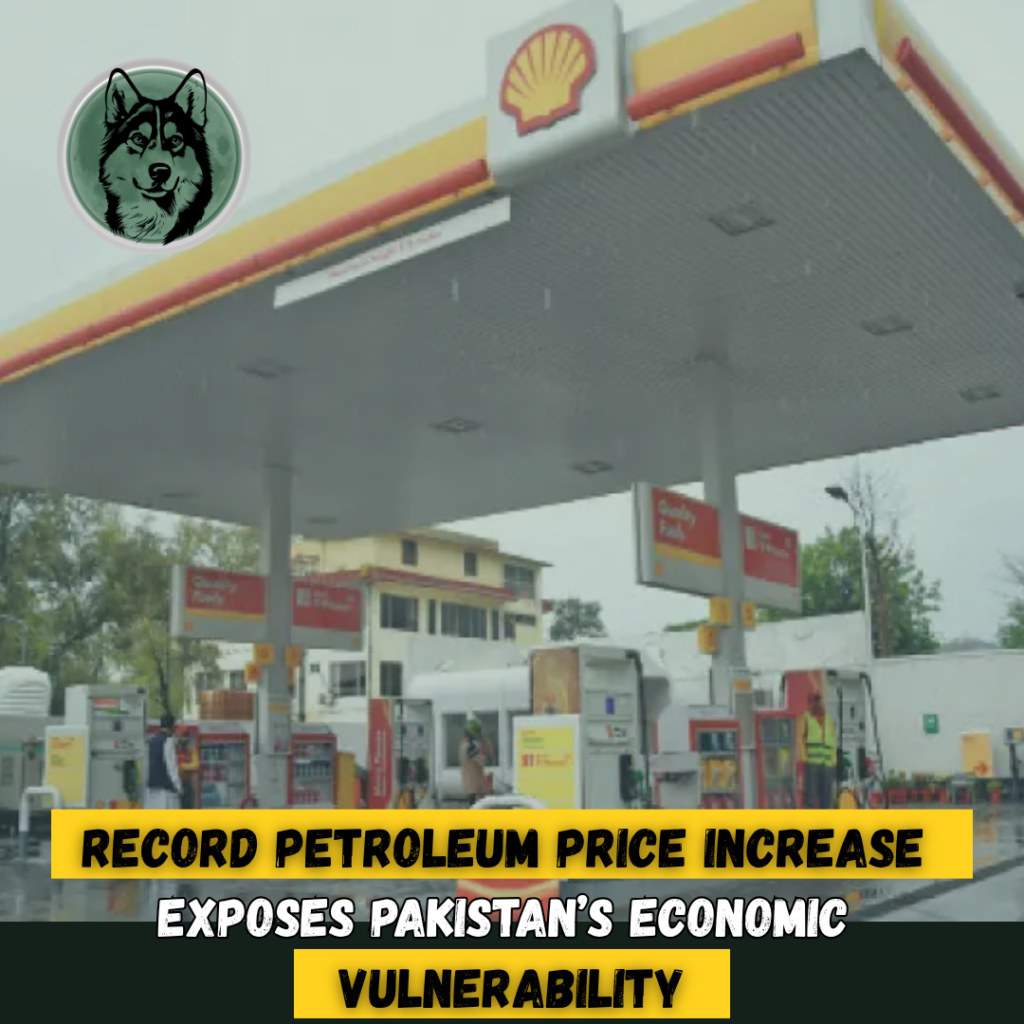
Pakistan has witnessed one of the most dramatic fuel price increases in its history, raising serious concerns about economic stability and policy consistency. The sudden surge in petroleum prices has not only shocked consumers but also triggered widespread debate among economists, businesses, and policymakers.
Unprecedented Increase in Fuel Prices
In a historic move, petrol prices have jumped by Rs137 per litre, reaching Rs458, while high-speed diesel has surged by Rs185 to Rs520 per litre. This sharp increase comes just days after assurances from officials that efforts were being made to shield consumers from global oil volatility.
The abrupt shift in policy direction has raised critical questions about the government’s ability to maintain consistency in times of crisis.
Global Pressures Forcing Policy Reversal
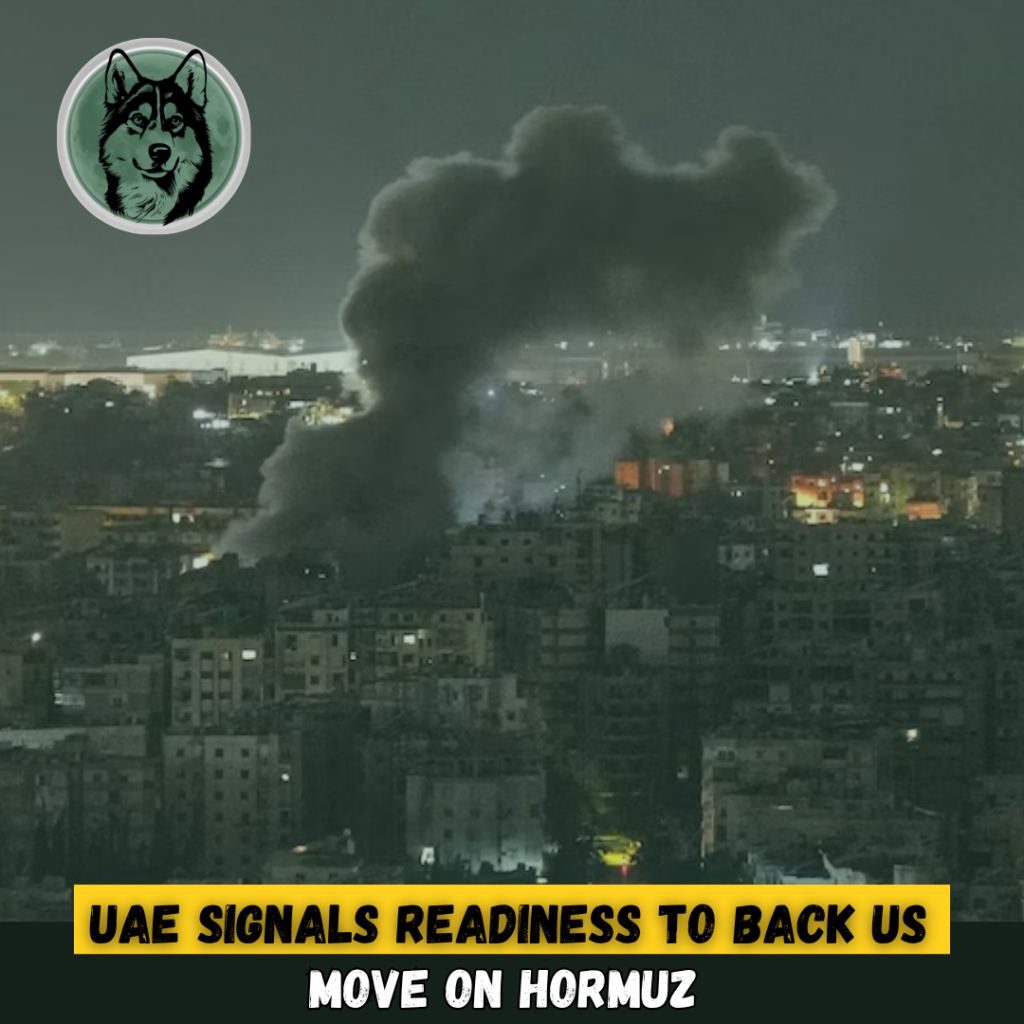
The primary driver behind this hike lies in rising international oil prices, largely influenced by escalating tensions in the Middle East, particularly the Iran–Israel conflict and concerns over supply disruptions in the Strait of Hormuz.
Crude oil prices have surged to around $112 per barrel, forcing governments like Pakistan’s to reconsider subsidy strategies. Initially, officials explored options such as adjusting petroleum levies and engaging with the International Monetary Fund for flexibility. However, the speed and scale of global changes left limited room for maneuver.
Economic Impact: Inflation and Currency Pressure
Pakistan’s heavy reliance on imported fuel makes it particularly vulnerable to external shocks. Rising oil prices directly:
- Increase the import bill
- Put pressure on foreign exchange reserves
- Weaken the national currency
- Drive inflation across key sectors
Transport, food, and manufacturing costs are expected to rise sharply, impacting everyday life for citizens.
Policy Credibility Under Scrutiny
Frequent changes in pricing decisions and inconsistent messaging risk undermining policy credibility. Businesses depend on predictable policies to plan operations, and sudden shifts create uncertainty in an already fragile economic environment.
Experts believe that while the government attempted to manage public expectations, global market realities forced an unavoidable adjustment.
Impact on Business and Agriculture
Industry leaders warn that the fuel hike will significantly increase operational costs. Sectors like logistics, manufacturing, and especially agriculture are expected to be hit hardest.
Higher diesel prices are making farming activities, including crop sowing, increasingly expensive—raising concerns about food prices in the near future.
Limited Fiscal Space and IMF Constraints
The government has reportedly provided Rs129 billion in fuel subsidies but now faces pressure to maintain fiscal discipline. Efforts to share the burden with provinces like Punjab and Sindh include limited subsidies and free public transport initiatives.
However, under commitments linked to the International Monetary Fund, Pakistan’s ability to offer large-scale relief remains restricted.
Conclusion: A Tough Road Ahead
The latest fuel price hike highlights Pakistan’s limited capacity to shield its economy from global energy shocks. With geopolitical tensions ongoing and oil prices remaining volatile, policymakers face a difficult balancing act between economic stability and public relief.
The situation serves as a stark reminder that in a globally interconnected economy, external forces can rapidly reshape domestic policies—often leaving little time for gradual adjustments.