



Regional tensions escalate as Gulf energy infrastructure comes under threat
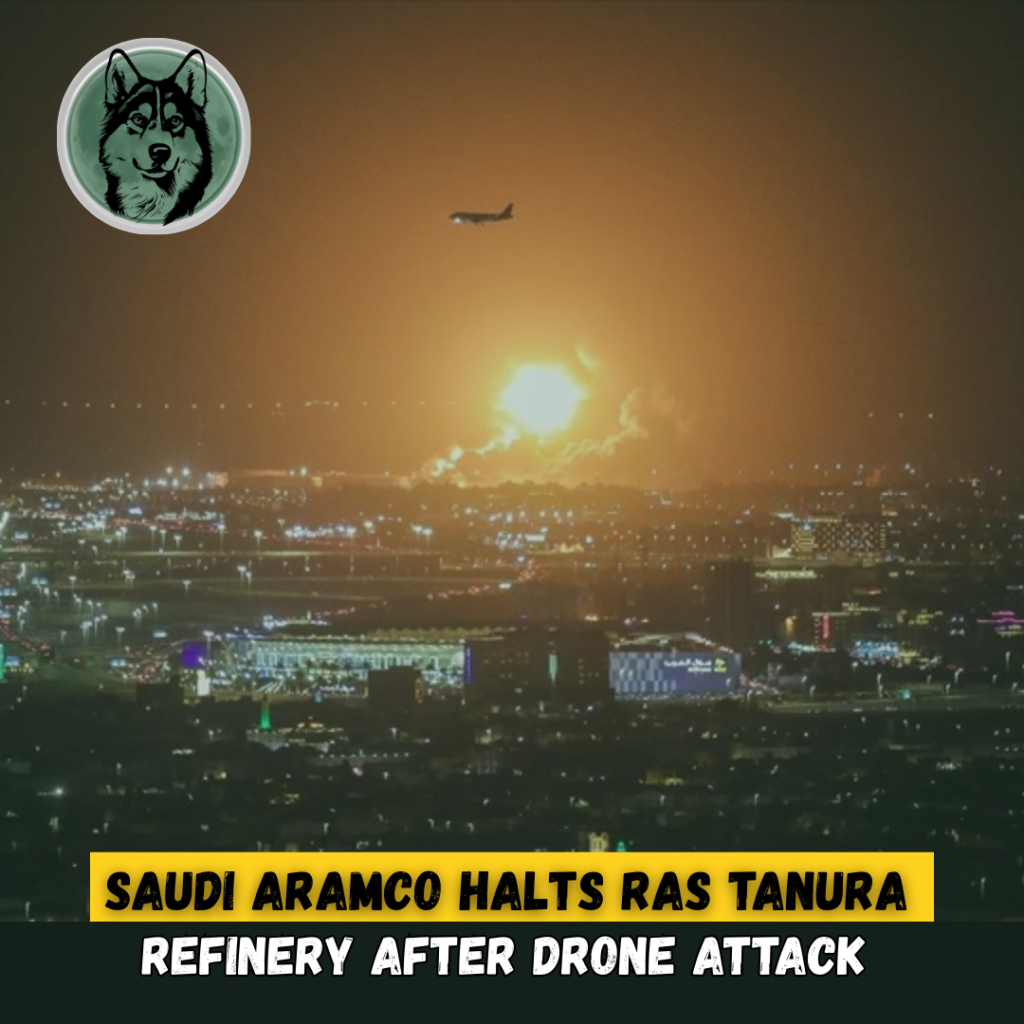
Saudi Arabia’s state oil giant, Saudi Aramco, temporarily shut down its Ras Tanura refinery on Monday following a reported Iranian drone strike that triggered a minor fire at the facility.
According to official statements, two unmanned aerial vehicles (UAVs) were intercepted near the refinery by Saudi defense forces. Falling debris from the destroyed drones caused a limited fire within the refinery complex, which authorities later confirmed had been brought under control.
No casualties were reported in the incident.
Fire Contained, Operations Halted as Precaution
The Ras Tanura refinery, located on Saudi Arabia’s eastern Gulf coast, was shut as a precautionary measure. Officials described the fire as isolated, with damage contained to a specific section of the facility.
Authorities emphasized that the situation remains under control and that emergency response teams acted swiftly to prevent the blaze from spreading.
Strategic Importance of Ras Tanura
The Ras Tanura Refinery is one of the Middle East’s largest refining hubs, with a processing capacity of approximately 550,000 barrels per day (bpd). It also serves as a major export terminal for Saudi crude oil.
Any disruption at Ras Tanura carries significant implications for regional supply chains and global energy markets due to its strategic role in Saudi Arabia’s oil infrastructure network.
Rising Regional Tensions
The drone strike comes amid escalating tensions in the Gulf following reported Iranian retaliation linked to a broader regional conflict. In addition to the Saudi incident, reports indicate strikes affecting key Gulf cities including Abu Dhabi, Dubai, Doha, Manama, and Oman’s commercial port area of Duqm.
Energy markets reacted sharply, with Brent crude futures reportedly surging around 10% amid fears of supply disruptions.
History of Attacks on Saudi Oil Infrastructure
Saudi energy facilities have faced major attacks in the past, most notably in September 2019, when drone and missile strikes targeted the Abqaiq and Khurais processing plants, temporarily halving the kingdom’s crude output and shaking global oil markets.
The latest incident once again highlights the vulnerability of critical energy infrastructure during periods of heightened geopolitical tension.