





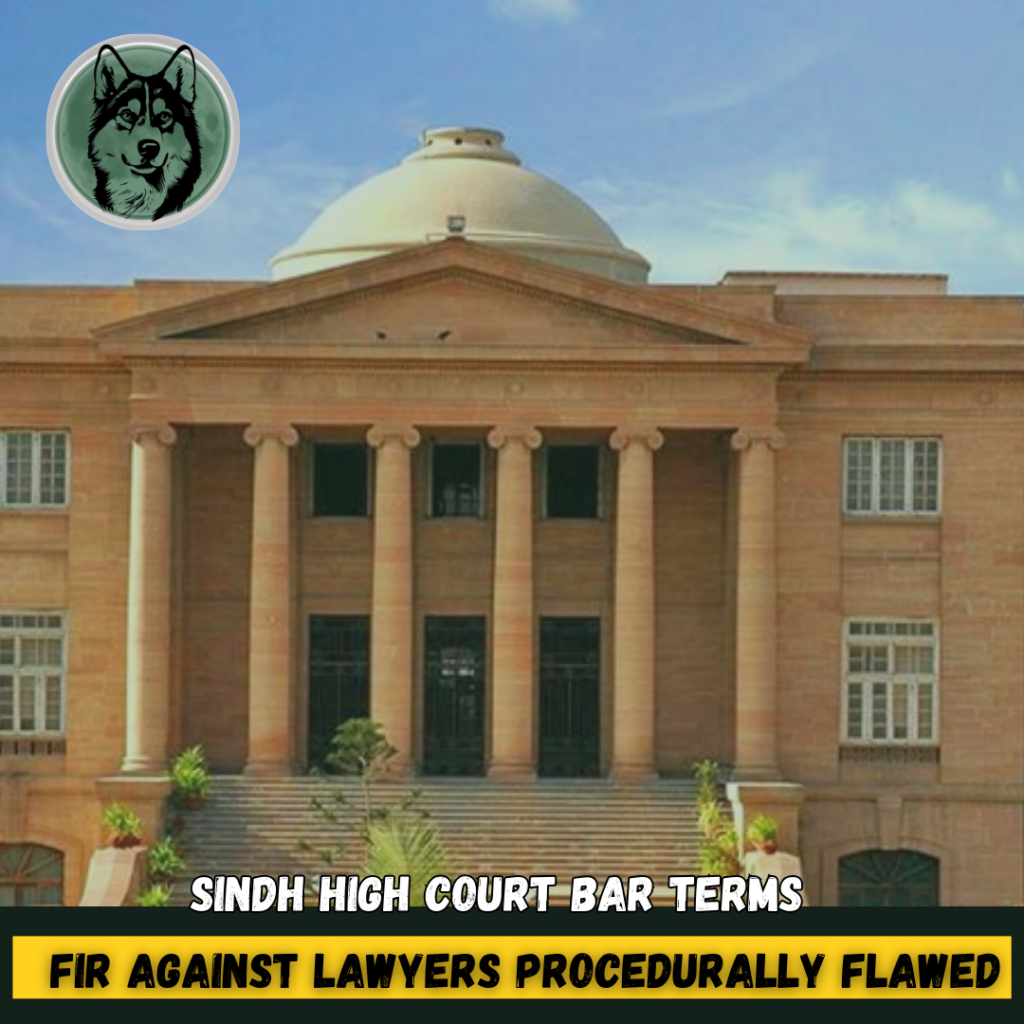
Bar association says case filing bypassed mandatory legal procedure
KARACHI:
The Sindh High Court Bar Association (SHCBA) has strongly condemned the registration of an FIR against several lawyers in connection with the alleged attack on YouTuber Rajab Butt, calling the move procedurally improper and concerning for the legal profession.
FIR Termed Procedurally Flawed
In a statement, the association objected to the registration of an FIR against Advocate Abdul Fattah Chandio, Advocate Riaz Ali Solangi, and 15 other lawyers, noting that the complaint was filed on the request of a lawyer from outside Sindh.
The Bar maintained that such matters should have been routed through the Sindh Bar Council, as required under established legal procedure, before any criminal case was initiated.
Bar Warns of Threat to Professional Independence
The SHCBA expressed concern that filing an FIR against lawyers at the behest of a client sets a troubling precedent and could be perceived as a form of pressure on legal practitioners.
“This approach is inappropriate and risks undermining the independence and dignity of the legal profession,” the association stated, urging authorities to take immediate corrective measures to protect lawyers’ rights and ensure due process.
Lawyers Protest in Karachi
Following the registration of the FIR, lawyers staged a peaceful protest on MA Jinnah Road, voicing their opposition to what they described as unjust and hasty legal action. Protesters demanded adherence to proper legal channels and respect for professional safeguards.
Police Version of the Incident
Separately, police confirmed that FIR No. 2025/290 was registered at the City Court police station on the complaint of Barrister Ali Ashfaq.
According to the FIR, the complainant alleged that on December 29, 2025, while accompanying his client Razaq Butt for a bail hearing in a blasphemy-related case, an attack occurred near the West Building inside the City Courts premises.
Call for Due Process
The Bar reiterated that while incidents must be investigated impartially, due legal process and institutional protocols must be followed, warning that deviations could escalate tensions within the legal community and damage public confidence in the justice system.