


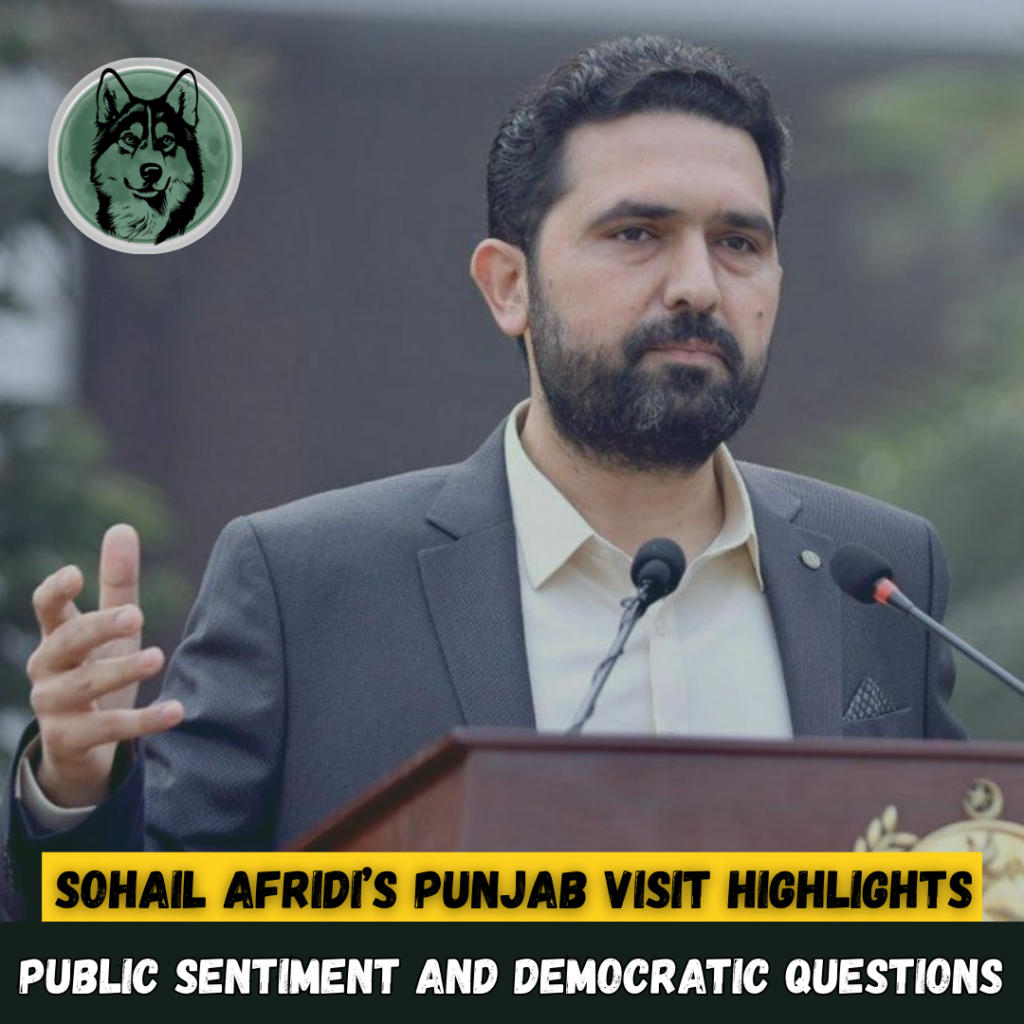
The recent visit of Sohail Afridi, Chief Minister of Khyber Pakhtunkhwa, to Punjab has generated significant public and political discussion. What stood out was not merely the visit itself, but the warm and spontaneous response from ordinary citizens, which many observers linked to continued public support for Imran Khan and Pakistan Tehreek-e-Insaf (PTI).
This development has reopened an important debate about political popularity, democratic space, and the role of government in facilitating or restricting peaceful political activity.
Public Response in Punjab
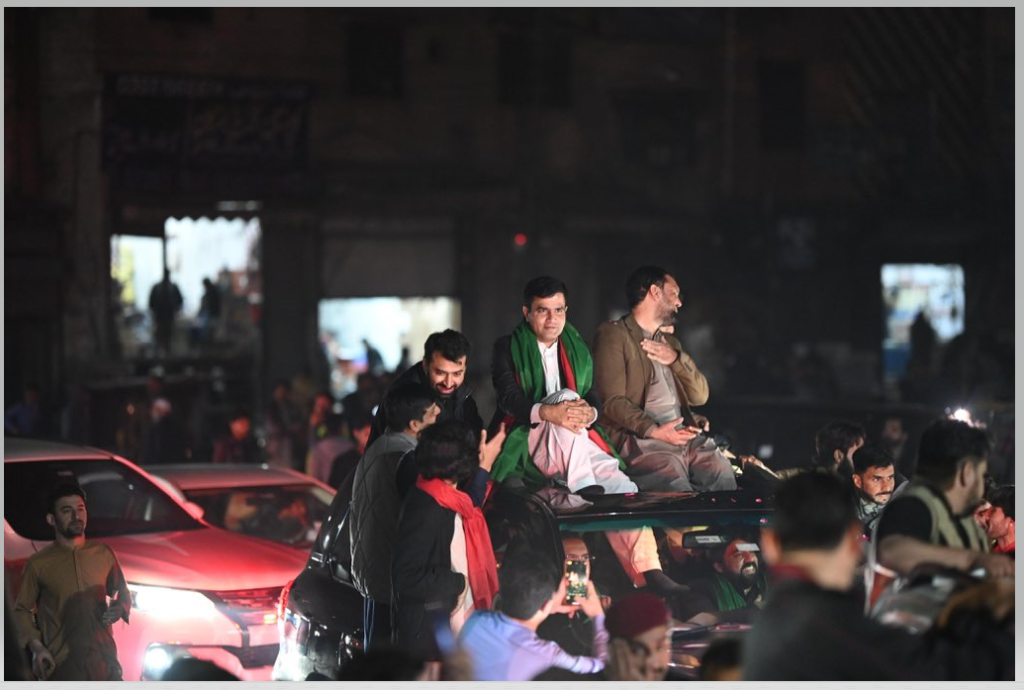
During Sohail Afridi’s visit, citizens gathered along the route, expressing goodwill and enthusiasm. The response appeared voluntary and citizen-led, rather than organized through official channels. Many participants associated their support with PTI’s broader political narrative and Imran Khan’s leadership, rather than with provincial office alone.
Such public reactions are a common feature of democratic societies and often serve as informal indicators of political sentiment.
Government Response and Emerging Concerns
Instead of allowing the visit to proceed smoothly, reports suggested that administrative hurdles and route restrictions were placed along the way. While governments are responsible for maintaining law and order, excessive restrictions can raise concerns about political tolerance and freedom of expression.
This response prompted debate among political analysts and citizens alike about whether administrative authority is being used to manage security or to limit political visibility.
A Democratic Challenge, Not a Confrontation
Sohail Afridi responded to the situation by raising a political and democratic challenge, rather than escalating tensions. He publicly stated that if the Punjab government wishes to assess PTI’s popularity in the province, it should allow a peaceful public gathering (jalsa) at Minar-e-Pakistan.
He further added that the Punjab leadership would be welcome to hold a similar gathering in Peshawar, allowing public response to speak for itself. This framing emphasized democratic competition, not conflict.
Why Minar-e-Pakistan Is Symbolically Important
Minar-e-Pakistan holds historical and political significance. It has long served as a venue for major public gatherings and political expression. Allowing access to such spaces reinforces democratic norms, while denying them often leads to perceptions of political insecurity.
From a governance perspective, confidence is demonstrated not through restrictions, but through openness to public engagement.
What This Moment Reveals About Public Opinion
The incident suggests that:
- Public support for PTI remains visible in Punjab
- Political loyalty to Imran Khan continues despite challenges
- Citizens want peaceful platforms to express opinions
These are signals that should be acknowledged, not suppressed, in a democratic system.
Imran Khan’s Continued Political Relevance
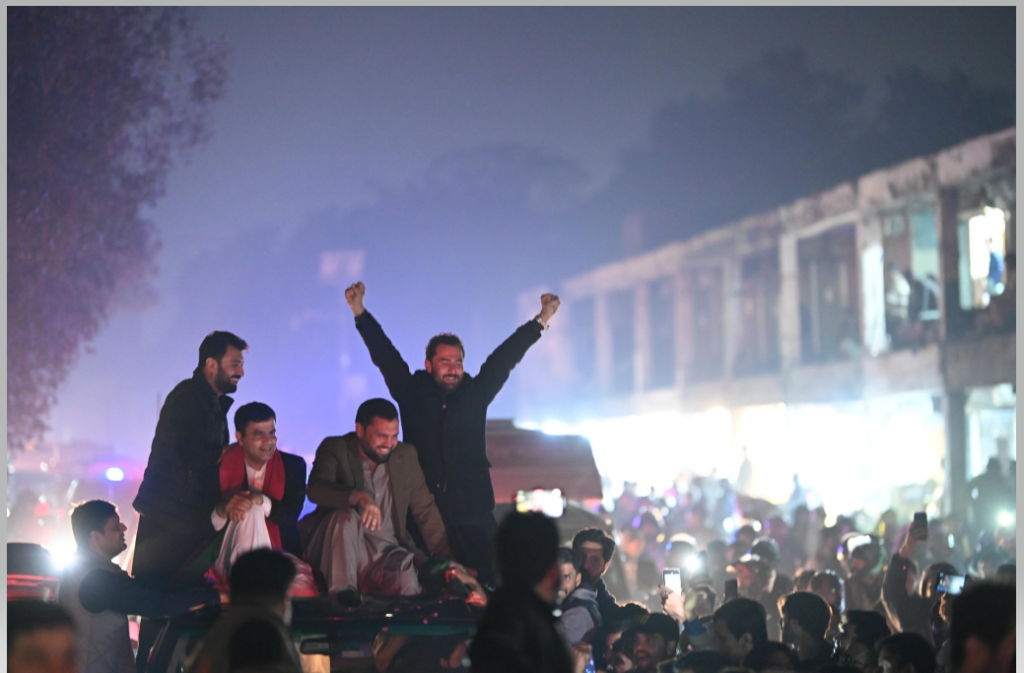
Regardless of political alignment, it is evident that Imran Khan remains a central figure in Pakistan’s political discourse. His supporters continue to associate him with accountability, independence, and resistance to traditional power structures.
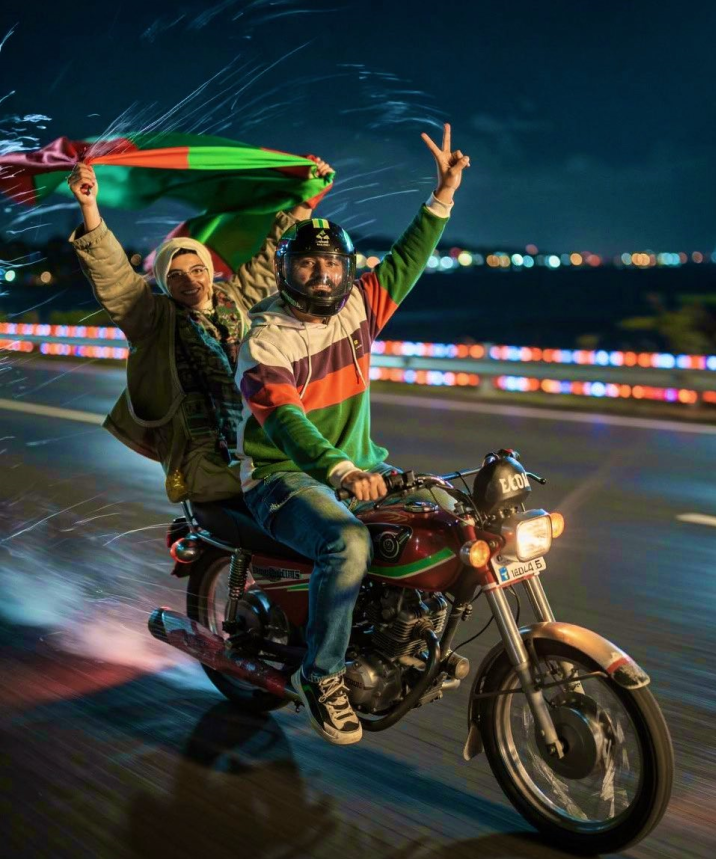
The public reaction during this visit reflects that political influence is sustained through public connection, not administrative authority.
Conclusion
Sohail Afridi’s visit to Punjab has become more than a routine political event. It has highlighted important questions about democratic openness, public participation, and political confidence. Allowing peaceful gatherings and respecting public expression strengthens institutions and builds trust.
Ultimately, democracy is tested not by controlling crowds, but by listening to them.