




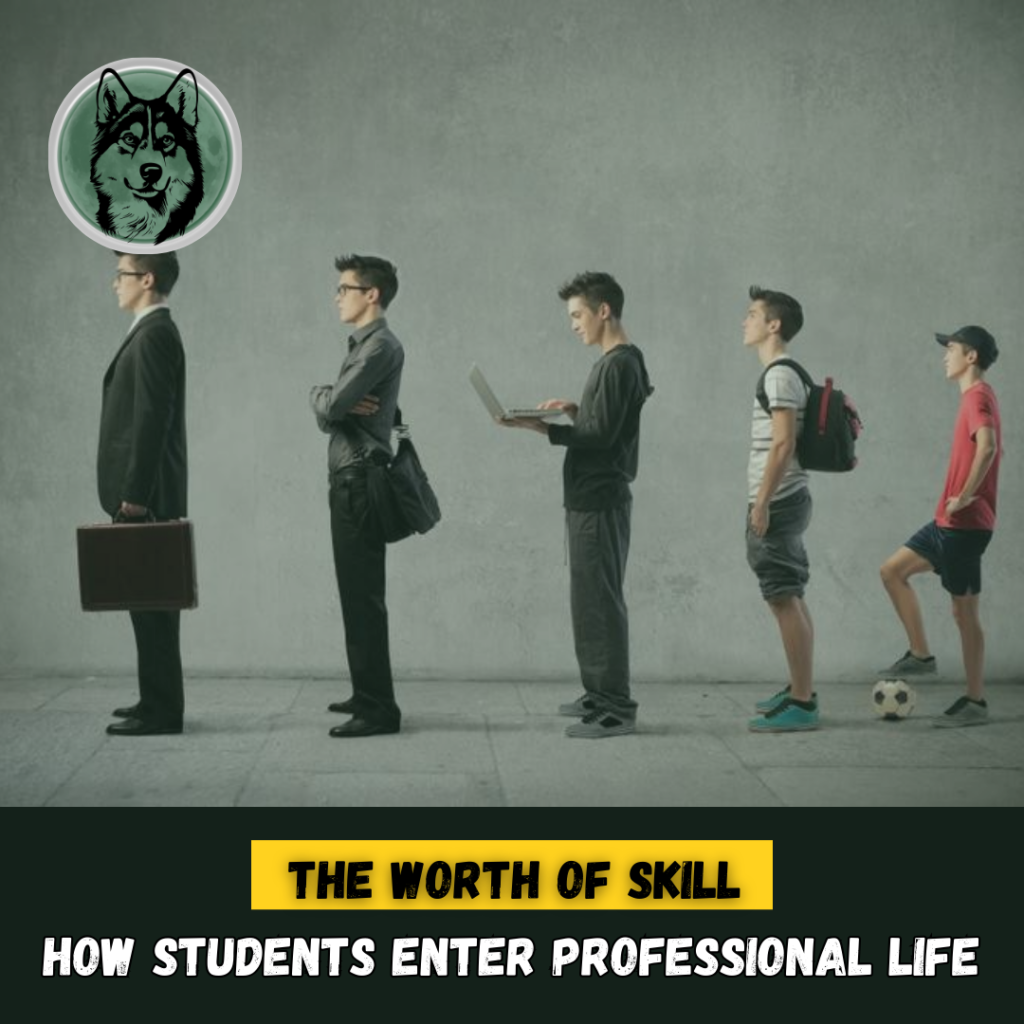
In the modern job market, skills matter more than certificates. Education is important, but skill is the real door that opens job opportunities. Many students complete their studies but still struggle to enter professional life. The reason is simple: they prepare for exams, not for industry.
1. Why Skill Is the Real Door to Jobs
Skill means the ability to do the work, not just talk about it. Employers hire people who can solve problems, work independently, and perform tasks practically.
A certificate may get you shortlisted, but skill gets you selected.
2. First Step: Learn Carefully and With Purpose
Students should not study blindly. Every topic and subject has a reason behind it.
They must ask themselves:
- Why is this topic important?
- Where is it used in real work?
- How does it solve a real problem?
Example:
If you are studying electrical safety, don’t just memorize rules. Learn why they exist, how accidents happen, and how those rules protect lives.
3. Second Step: Learn With Examples
Learning becomes strong when theory is connected to examples.
Example:
Reading about risk assessment is useful, but seeing hazards at a real site and identifying them is real learning.
Examples help students think like professionals and prepare them for real situations.
4. Third Step: Practice Is Mandatory
Knowledge without practice has no value in industry. Students must perform tasks practically through:
- Practice in labs
- Practice in workshops
- Practice during site visits
Practical learning builds confidence and reduces fear of real work.
5. Fourth Step: Enter Through Internships
Internships are the entry gate to professional life. They help students understand:
- Work culture
- Discipline
- Teamwork
- Real responsibilities
Even unpaid or low-paid internships are valuable because they build experience, not just income.
6. Fifth Step: Industry Opens for Skilled People
When students gain basic skills and internship experience, industry doors open automatically. Companies look for people who are:
- Willing to learn
- Ready to work
- Practically trained
- Realistic in expectations
Why Do Students Fail to Get Jobs? (WH-Questions Explained)
Why do students remain unemployed after certification?
Because they rely only on certificates and lack practical skills.
What do students expect after finishing studies?
Many expect high salaries and senior positions immediately, without experience.
Where do students go wrong?
They choose shortcuts instead of hard work and avoid starting from basic roles.
When do students lose opportunities?
When they reject internships, trainee roles, or learning opportunities thinking they are “too small”.
Who is responsible for job failure?
Mostly the student himself — due to wrong mindset, poor preparation, and unrealistic expectations.
How do students harm their own careers?
By wanting bigger rewards with zero effort, avoiding practical work, and ignoring industry needs.
How to Become a Professional (Step by Step)
- Study with understanding, not memorization
- Ask “why” behind every subject
- Learn with real examples
- Practice practically
- Accept internships and trainee roles
- Build skills before expecting rewards
- Stay patient and consistent
Conclusion
Professional success does not come overnight. It is built through skill, practice, patience, and honesty. Students who avoid shortcuts, accept learning phases, and focus on real skills always succeed.
Remember:
Certificates decorate your CV, but skills build your career.
One Response
Gaining Skills is important ,no doubt