

Iran signals conditional compliance while calling agreement a strategic victory
Pakistan Brokers Critical Ceasefire Between US and Iran
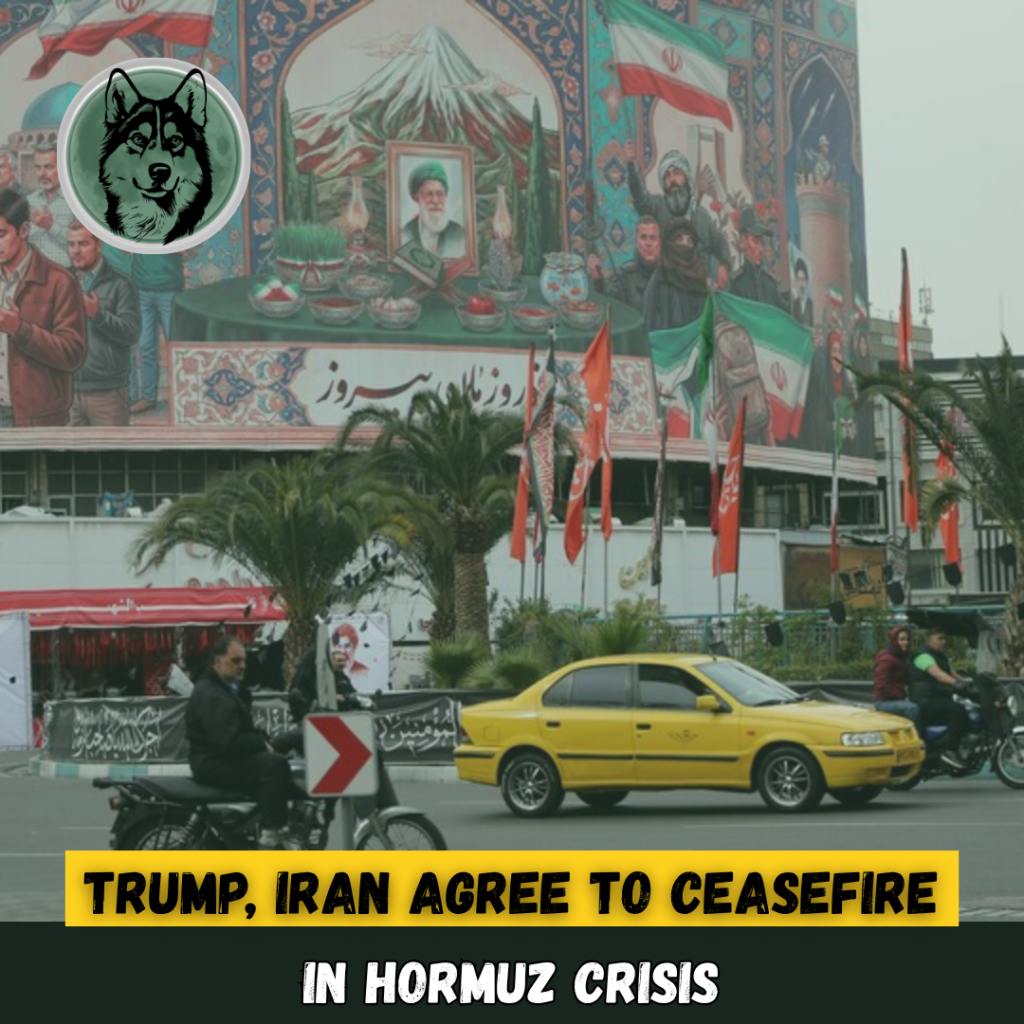
In a significant diplomatic breakthrough, the United States and Iran have agreed to a two-week ceasefire brokered by Pakistan, marking a major step toward de-escalation in the Middle East. Prime Minister Shehbaz Sharif announced that the ceasefire would take effect immediately across all conflict zones, including Lebanon, and confirmed that both nations have been invited to Islamabad on April 10 for negotiations aimed at reaching a permanent peace agreement.
Last-Minute Deal Averts Escalation
The agreement came at the final hour as US President Donald Trump prepared for potential military action after issuing a strict deadline for Iran to reopen the Strait of Hormuz. Trump described the development as a major step toward global peace and stated that the United States would assist in managing maritime traffic in the region while supporting stability and recovery efforts. The announcement marked a dramatic shift from earlier warnings of severe strikes on Iranian infrastructure.
Ceasefire Conditions and Strategic Importance
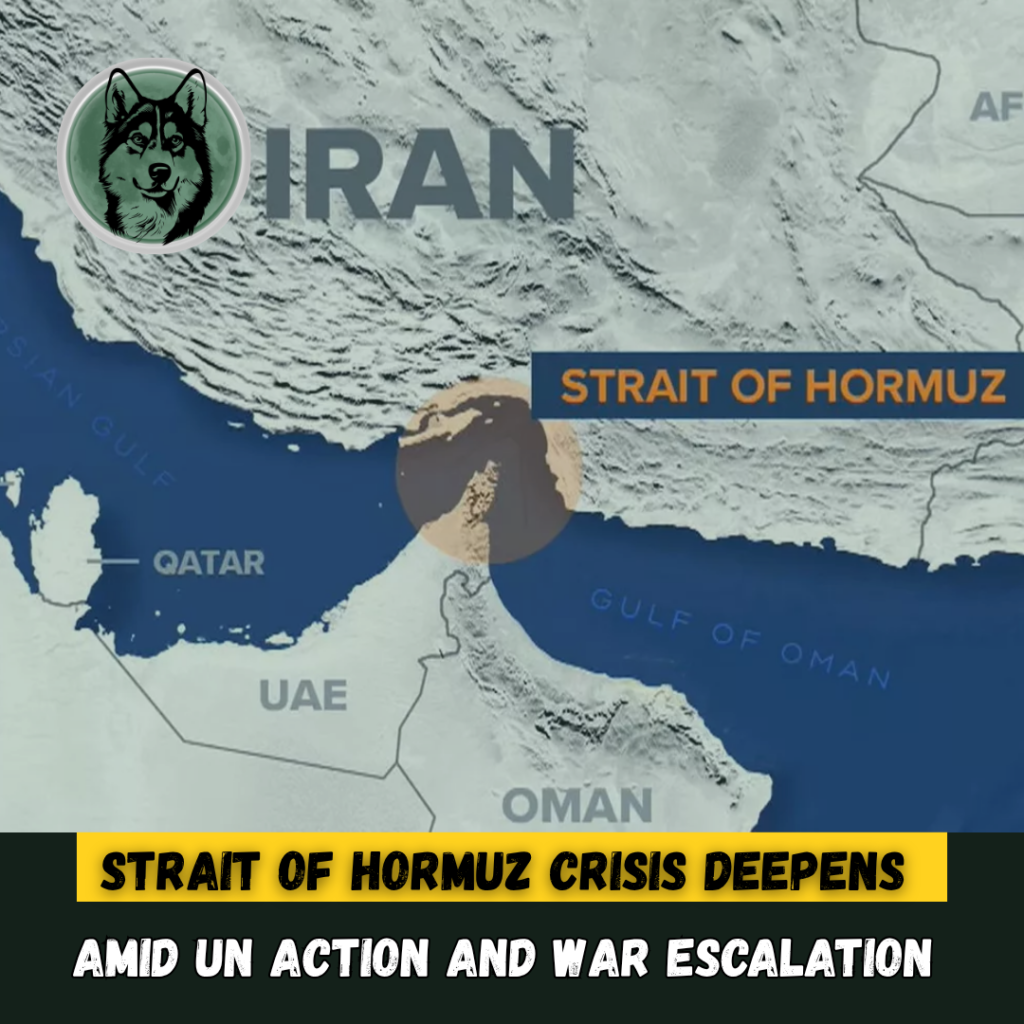
The ceasefire agreement is closely tied to the reopening of the Strait of Hormuz, a critical global oil transit route through which nearly one-fifth of the world’s oil supply passes. Iranian Foreign Minister Abbas Araghchi stated that Tehran would halt its counterattacks provided that hostilities cease and safe navigation through the waterway is ensured. The reopening of the strait is expected to stabilize global energy markets and ease economic uncertainty triggered by the conflict.
Pakistan’s Diplomatic Role Gains Recognition
Pakistan’s role in facilitating the agreement has been widely acknowledged at the international level. According to statements from Washington, the decision to pause military action followed direct discussions with Prime Minister Shehbaz Sharif and Field Marshal Asim Munir. Iranian officials also expressed gratitude toward Pakistan, highlighting its consistent diplomatic engagement and support throughout the crisis as instrumental in bringing both sides to the negotiating table.
Iran Claims Strategic Advantage
Iran’s Supreme National Security Council described the ceasefire as a strategic victory, asserting that many of its objectives had been achieved during the conflict. Officials indicated that upcoming negotiations would focus on formalizing key demands, including sanctions relief, regional security arrangements, and economic considerations tied to the Strait of Hormuz. The statements reflected Tehran’s position that it enters the next phase of talks with significant leverage.
Global Reaction and Economic Impact
The ceasefire has been welcomed by global leaders, including UK Prime Minister Keir Starmer, who is expected to engage with regional partners to ensure long-term stability. Financial markets responded positively to the development, with oil prices dropping and global stocks showing signs of recovery. The easing of tensions has reduced immediate fears of a prolonged energy crisis and broader economic disruption.
Uncertainty Persists Despite Progress
Despite the breakthrough, uncertainty remains over the durability of the ceasefire. Conflicting reports regarding Israel’s position and continued military activity in parts of the region indicate that the situation remains fragile. The conflict, which has lasted several weeks, has already resulted in more than 5,000 deaths across multiple countries, including a significant number of civilian casualties, underscoring the urgency of achieving a lasting resolution.
Next Phase: Islamabad Peace Talks
The upcoming talks in Islamabad are expected to play a decisive role in shaping the future of the region. Discussions will focus on establishing a long-term peace agreement, ensuring secure maritime operations, and addressing broader geopolitical tensions. If successful, the negotiations could mark a turning point in Middle East stability and global energy security.