


Security guarantees largely settled; territorial questions remain unresolved
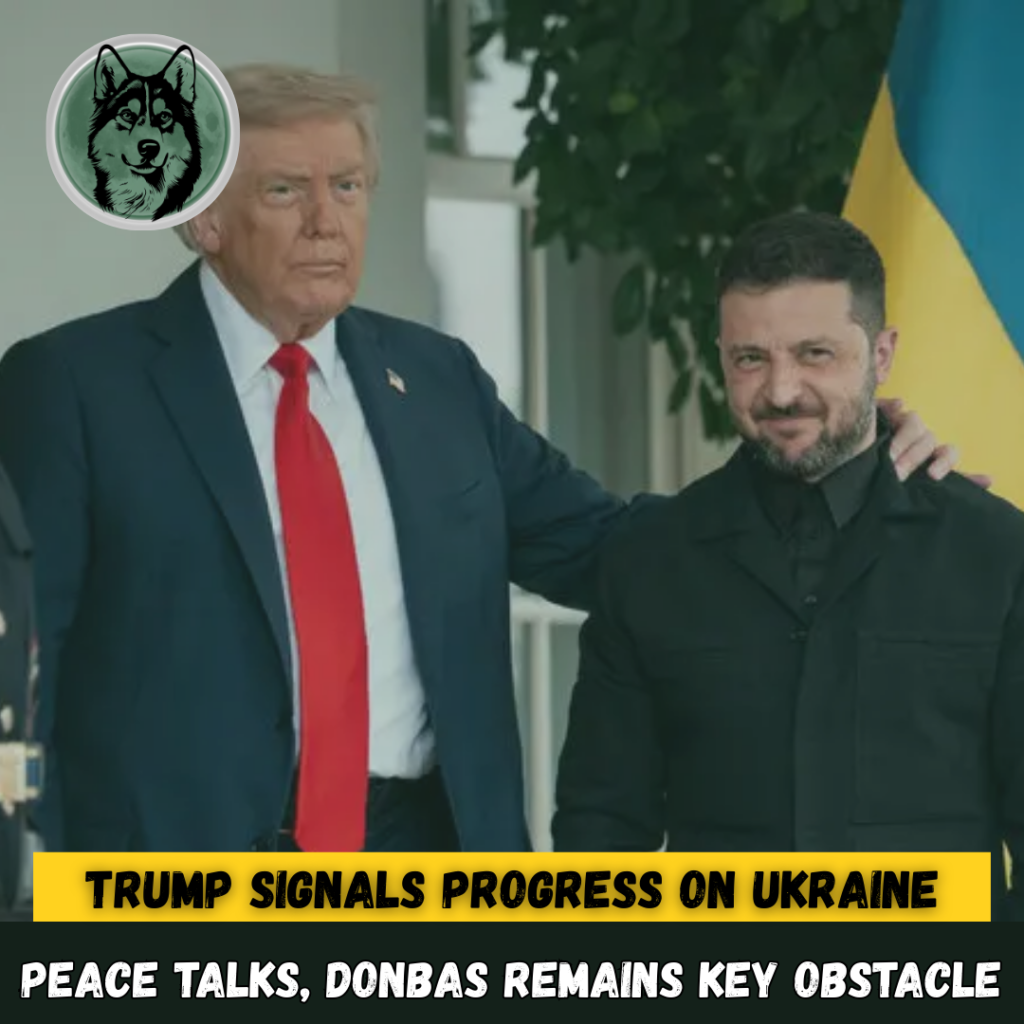
The United States and Ukraine are moving closer to a potential peace agreement to end the war with Russia, though major challenges—particularly over territory—remain unresolved, US President Donald Trump said on Sunday after meeting Ukrainian President Volodymyr Zelenskiy.
Speaking at a joint news conference at Trump’s Mar-a-Lago residence in Florida, the US president said negotiations were “getting a lot closer, maybe very close,” but cautioned that a few “thorny issues” still needed to be resolved, most notably the future of eastern Ukraine’s Donbas region.
Progress on Security Guarantees
Both leaders acknowledged progress on one of the most sensitive aspects of the talks: post-war security guarantees for Ukraine.
Zelenskiy said an agreement on security assurances had been reached, calling it a “key milestone” toward lasting peace. Trump adopted a more cautious tone, saying talks were “about 95% there” and emphasising that European countries would take on a significant role, with US backing.
French President Emmanuel Macron later confirmed progress, saying nations in a so-called “Coalition of the Willing” would meet in Paris in early January to finalise concrete security commitments.
Donbas Still Unsettled
Despite movement on security, both sides confirmed that the status of Donbas remains unresolved. Russia has demanded full Ukrainian withdrawal from the region, while Kyiv insists any deal should freeze the conflict at current battle lines.
The US has proposed compromises, including demilitarised zones and a possible free economic zone, though details remain unclear. “It’s unresolved, but it’s getting closer,” Trump said, describing Donbas as the most difficult issue in the negotiations.
Trump-Putin Call Adds Complexity
The talks followed a lengthy phone conversation between Trump and Russian President Vladimir Putin, described by Trump as “productive” and by the Kremlin as “friendly.”
According to Russian officials, Putin rejected a proposed 60-day ceasefire backed by Europe and Ukraine, arguing it would prolong the war. Trump said Putin expressed willingness to help rebuild Ukraine after the conflict, including by supplying low-cost energy—a remark that drew visible reaction from Zelenskiy during the press conference.
The Kremlin later voiced support for Trump’s mediation efforts, praising Washington’s role in pushing negotiations forward.
Nuclear Plant and Battlefield Reality
Negotiators have also discussed the future of the Russian-controlled Zaporizhzhia nuclear power plant. Trump said progress had been made and noted that Russia had refrained from attacking the facility, calling it a “big step.”
Russia currently controls Crimea and significant portions of eastern and southern Ukraine, while recent missile and drone attacks have continued to hit Ukrainian cities, including Kyiv, even as diplomatic talks intensify.
A 20-Point Framework Takes Shape
A draft 20-point peace framework is emerging as the backbone of negotiations. Key elements include reaffirming Ukraine’s sovereignty, EU membership prospects, large-scale reconstruction funding, prisoner exchanges, elections after the agreement, and a legally binding ceasefire monitored by a peace council chaired by Trump.
However, territorial control and ownership of the Zaporizhzhia plant remain the most divisive issues.
Analysis: Momentum with Limits
The latest developments point to growing diplomatic momentum but also underline the limits of compromise in a war defined by territorial control and security fears. While progress on guarantees suggests alignment between Washington, Kyiv, and European allies, Russia’s battlefield advances and firm stance on Donbas complicate the path to peace.
Whether the current talks translate into a ceasefire—or collapse under unresolved territorial disputes—may become clear within weeks, as Trump suggested.
Conclusion
With security guarantees nearly agreed and international backing strengthening, the US-Ukraine peace effort appears closer than at any time in recent months. Yet the fate of Donbas and key infrastructure like the Zaporizhzhia nuclear plant will ultimately determine whether diplomacy can succeed where the battlefield has not.