



Pakistan urges transparent sanctions regime as China pushes for listing of BLA and Majeed Brigade.
UN Red-Flags TTP’s Cross-Border Threat Amid Escalating Regional Terror Concerns
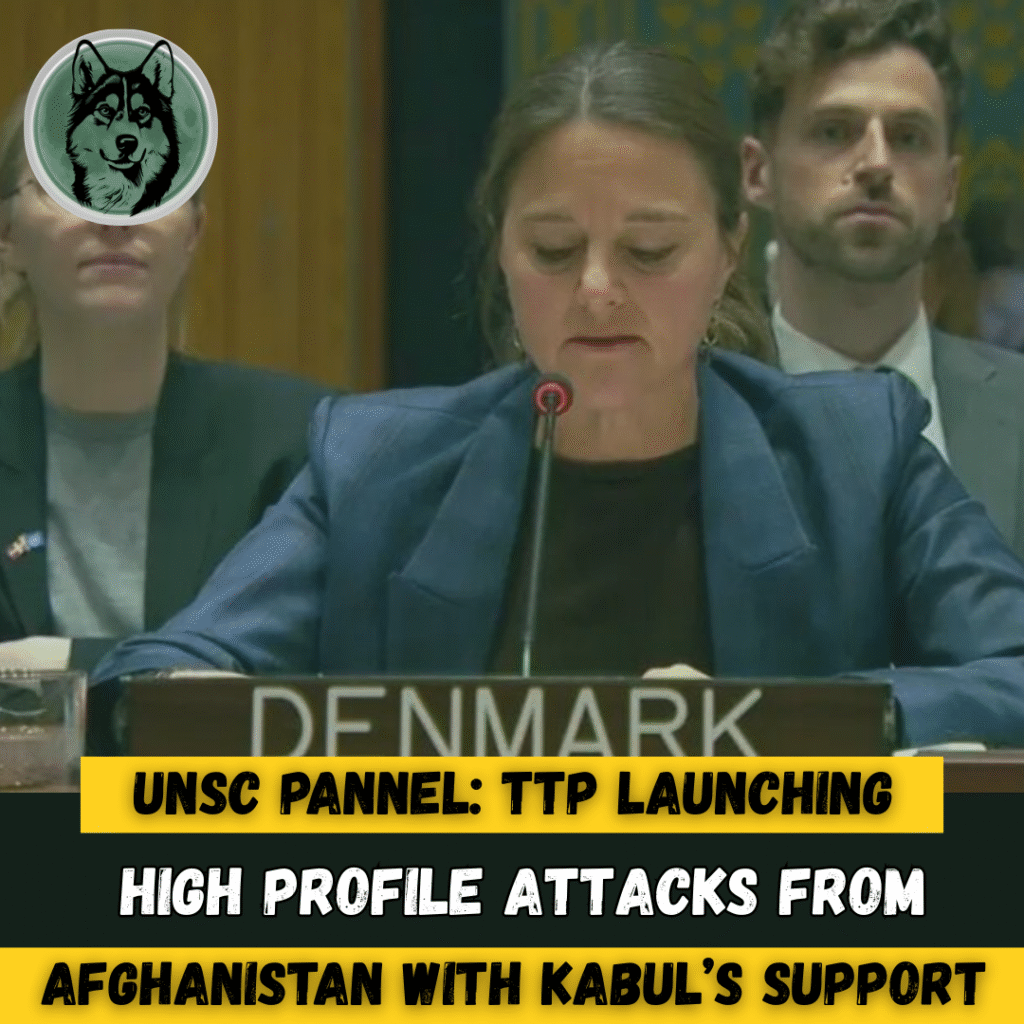
A UNSC anti-terror committee has issued a stark warning about the banned Tehreek-e-Taliban Pakistan’s (TTP) growing ability to launch high-impact attacks from Afghan soil, with alleged support from Kabul’s de facto authorities.
The report, presented by Ambassador Sandra Jensen Landi, underscores the worsening regional security landscape and the rapid expansion of extremist networks.
TTP Now a “Serious and Evolving Danger,” Says UN Panel
Landi, who heads the 1267 ISIL/Daesh and Al Qaeda Sanctions Committee, described the TTP as a worsening regional threat, operating with an estimated 6,000 fighters inside Afghanistan.
She said the group has carried out attacks causing mass casualties in Pakistan, while its influence continues to rise alongside other extremist organisations.
The briefing also flagged the increasing potency of ISIL-Khorasan, with nearly 2,000 fighters targeting Shia communities, Afghan officials, and foreign nationals.
The panel warned that militant outfits are exploiting cryptocurrencies, social media and unstable territories to fund, recruit and propagate violent ideologies across continents.
Al Qaeda and Daesh Expanding Their Footprint
The report highlighted how affiliates of Al Qaeda and Daesh are expanding from Syria to Africa, taking advantage of weak governance structures.
These networks have become more sophisticated, using technology to boost global recruitment and operational reach.
Council members were also told that foreign terrorist fighters continue to move between Syria, Africa and Central Asia, evolving rapidly and adapting to new fronts of conflict.
Pakistan Highlights Heavy National Losses
Responding to the briefing, Pakistan’s UN envoy Usman Jadoon emphasized Pakistan’s deep sacrifices, noting over 80,000 casualties and billions lost in the fight against terrorism.
He accused TTP, ISIL-K, and BLA-linked groups of thriving under Afghan patronage, adding that Pakistan’s “principal adversary” was also backing destabilizing elements.
Jadoon urged the UNSC to maintain a transparent, impartial sanctions regime, free from political influence, and argued for expanding the global terrorism framework to include far-right, ultranationalist, xenophobic, and Islamophobic groups worldwide.
China Backs Pakistan; Calls for BLA Listing
China supported Pakistan’s stance, urging the committee to approve the listing of the Balochistan Liberation Army (BLA) and its Majeed Brigade, calling such steps essential to combat terrorism comprehensively.
Pakistan–Afghanistan Tensions Intensify
The UNSC warning comes amid worsening relations between Pakistan and the Afghan Taliban.
Islamabad maintains that Kabul has failed to dismantle TTP sanctuaries operating near the border.
Recent talks mediated by Türkiye and Qatar have made no progress, leaving both sides locked in a tense stalemate.
Pakistan has closed key border crossings indefinitely, stopping trade and leaving thousands of trucks stranded.
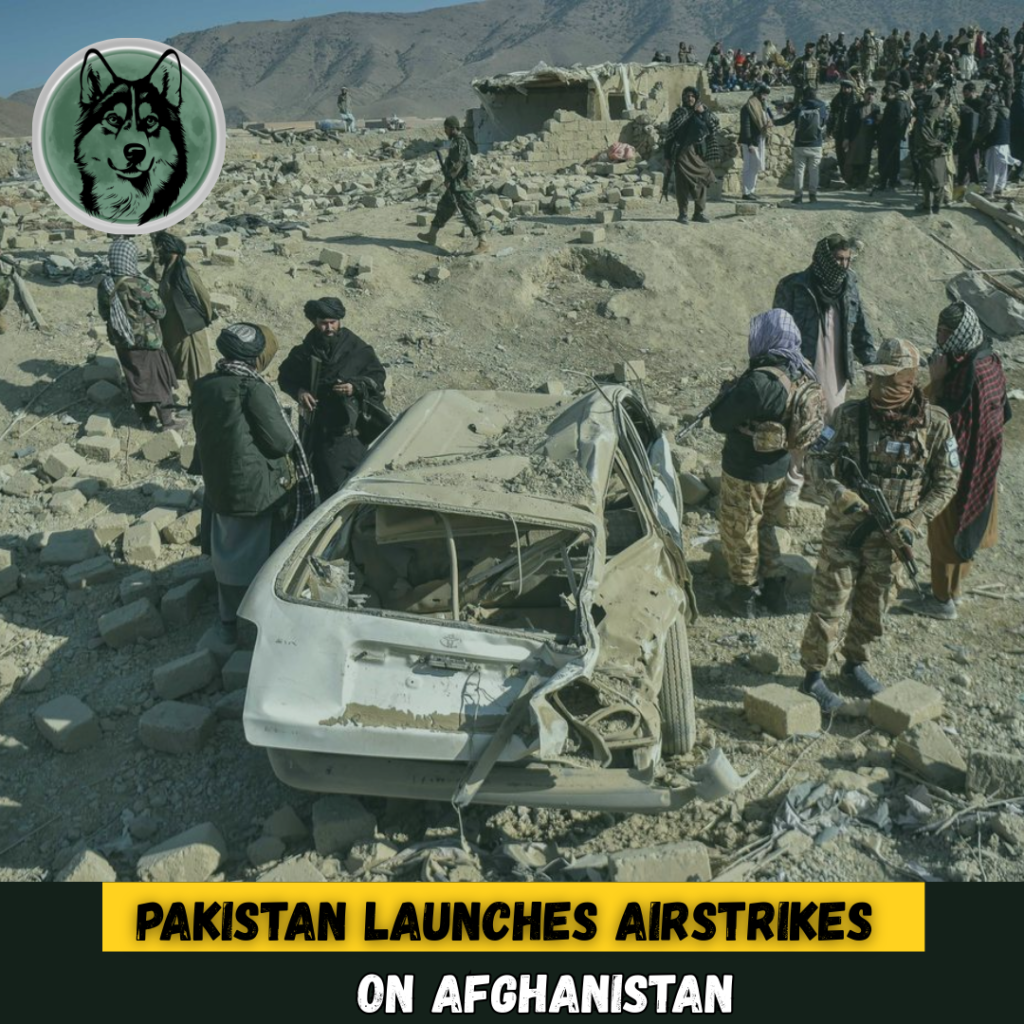
Security has tightened after multiple unprovoked firing incidents by Afghan forces at border points in KP and Balochistan, which the Pakistan Army responded to with force, destroying several Afghan posts.
Security officials say the firing was aimed at facilitating TTP infiltration, but Pakistani troops successfully foiled attempts to push militants across the frontier.
WHY THIS IS HAPPENING: A CRITICAL ANALYSIS
- Power Vacuum in Afghanistan: Since 2021, extremist groups have reactivated networks using the Afghan landscape as a safe haven.
- Kabul’s Weak Governance & Fragmented Control: Lack of a unified strategy against militants allows groups like TTP to operate freely.
- Regional Rivalries: Terror groups exploit tensions between Pakistan, Afghanistan, India, and other regional players.
- Technological Adaptation: Use of crypto, encrypted platforms, and cross-border propaganda gives these networks global reach.
- Failure of Diplomatic Channels: Mediation attempts have stalled, leaving Pakistan no alternative but tightened border security and unilateral measures.
HOW THIS AFFECTS PAKISTAN
- Increased Cross-Border Attacks: Continued TTP presence in Afghanistan raises the threat of high-profile strikes inside Pakistan.
- Border Instability & Economic Pressure: Closure of crossings disrupts trade and increases inflationary pressures in border regions.
- Security Burden on Pakistan Army: More resources needed for counterterrorism operations in already volatile provinces.
- Diplomatic Strain: Relations with Kabul continue to deteriorate, complicating regional cooperation efforts.
- Global Perception: Pakistan’s push for sanctions and listings gains credibility as UN warnings align with Islamabad’s long-standing concerns.