





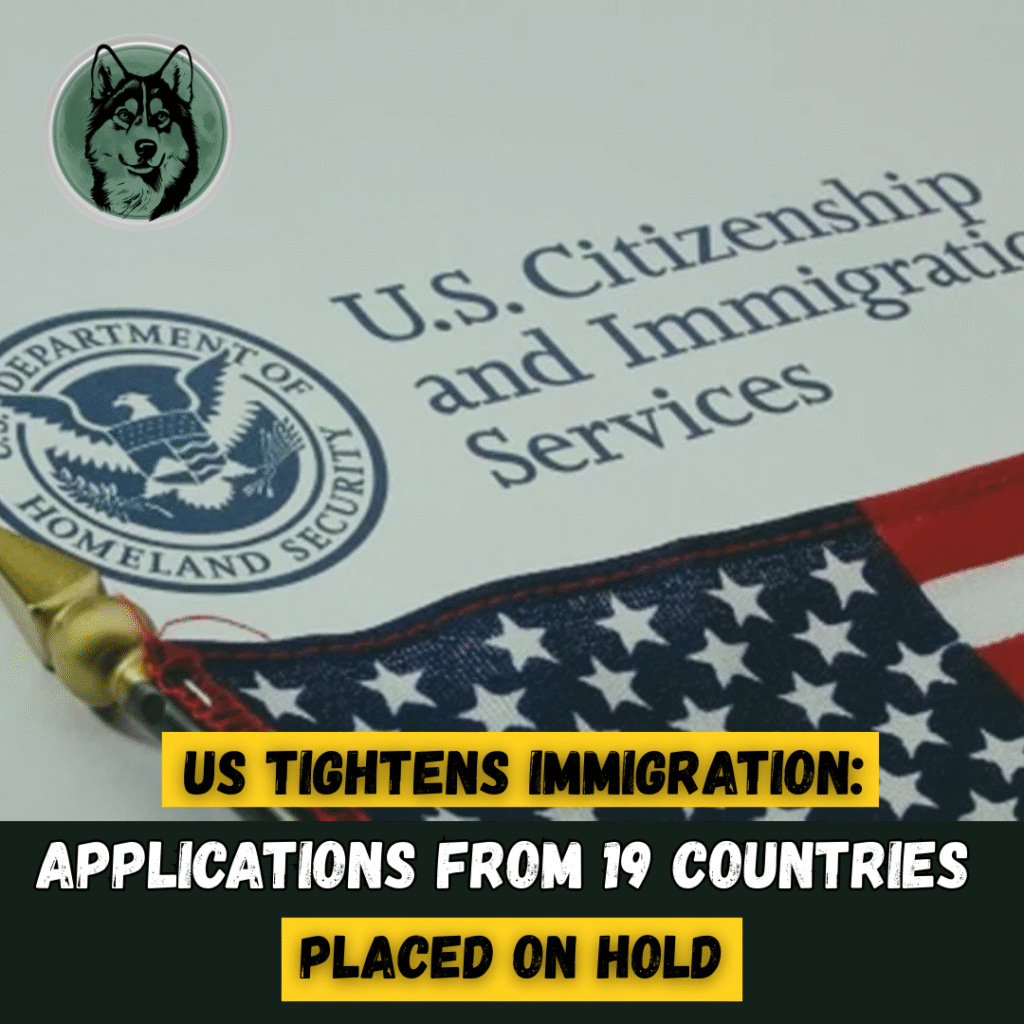
National security and public safety cited after attack on US National Guard members.
US Halts Immigration Applications From 19 Countries
The Trump administration announced on Tuesday a pause on all immigration applications including green card and US citizenship processing from 19 non-European countries, citing national security and public safety concerns. The policy targets countries already subjected to partial travel restrictions in June and places further limits on legal immigration, a key component of President Donald Trump’s political agenda.
The list of affected countries includes Afghanistan, Somalia, Iran, Libya, Haiti, Yemen, Sudan, Eritrea, and several others. According to an official memorandum, the decision follows the recent attack on US National Guard members in Washington, in which an Afghan man was arrested as a suspect. One guard member was killed and another critically injured.
Policy Details and Re-Review Process
The new directive places a hold on pending immigration applications from the 19 countries. All applicants will undergo a comprehensive re-review process, which may include:
- Mandatory interviews or re-interviews
- Assessment of potential national security and public safety threats
- Re-evaluation of previously submitted documentation
Sharvari Dalal-Dheini, senior director of government relations for the American Immigration Lawyers Association, reported that oath ceremonies, naturalization interviews, and adjustment of status interviews for individuals from the affected countries have been canceled or postponed.
How Will This Affect US Immigration?
While framed as a national security measure, the suspension of immigration applications may have broader humanitarian and diplomatic implications. Critics argue that lumping all immigrants from 19 countries under heightened scrutiny risks unfairly penalizing law-abiding applicants and strains relations with affected nations. It also signals a shift from border-focused enforcement to restricting legal immigration pathways. The policy could exacerbate delays in family reunifications, professional immigration, and asylum claims, potentially impacting thousands of individuals. Supporters of the administration claim the measure is necessary to prevent potential threats, but its long-term effectiveness and fairness remain subjects of debate.