



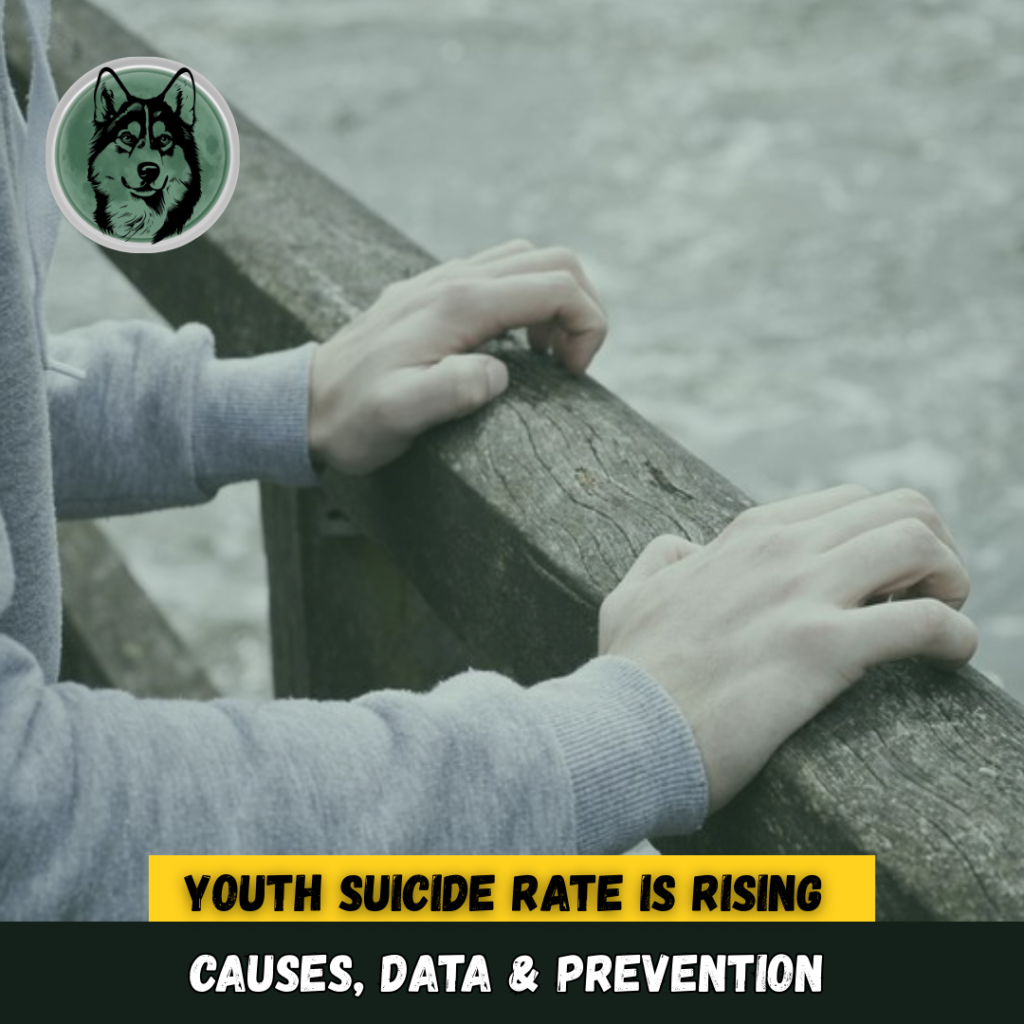

Alarming Global and Local Trend
Suicide has emerged as a critical public health concern, particularly among young people worldwide. Experts warn that this trend affects students, graduates, and young adults — the future of society — making it a crisis that demands urgent attention.
Global Numbers and Trend
- According to the World Health Organization (WHO), more than 720,000 people die by suicide each year globally, making it the third leading cause of death among individuals aged 15–29 years.
- Suicide attempts are estimated to be 20 times higher than completed cases.
- Approximately 73 percent of all suicides occur in low- and middle-income countries, where youth form a significant portion of the population.
Situation in Pakistan
- Reports indicate around 19,331 suicides in Pakistan in 2019, with males (14,771) outnumbering females (4,560).
- About 70 percent of suicides occur among people aged 15–29, making it the fourth leading cause of death for youth in the country.
- An estimated 50–55 suicide deaths happen daily.
- Suicide rates per 100,000 people rose from 7.3 in 2019 to 9.8 in 2022, indicating a steadily growing crisis.
These figures make it clear that youth suicide is not rare, but a persistent and rising public health challenge.
Why Are Youth Suicide Rates Rising?
Multiple factors contribute to the rise of suicide among young people, ranging from emotional stress to societal pressures.
Psychological and Emotional Stress
Young individuals face high levels of stress from academic expectations, societal pressure, and uncertainty about the future. This can lead to depression, anxiety, and feelings of hopelessness.
Imbalanced Social Media and Digital Impact
Excessive mobile phone and social media use exposes youth to cyberbullying, unrealistic comparisons, harmful content, and distraction, all of which weaken mental resilience.
Immature Relationships and Emotional Disappointment
Early romantic or social relationships often end in emotional conflict. Without proper guidance, breakup pain can escalate to prolonged despair.
Weak Emotional Resilience
Overprotected upbringing or limited life experience can leave youth ill-equipped to handle stress and setbacks.
Family Conflict and Societal Pressure
Family disputes, unmet expectations, or emotional neglect contribute to mental strain, while youth distress is sometimes dismissed as “drama.”
Economic and Opportunity Frustration
Unemployment, limited prospects, and financial stress can leave young adults feeling like failures.
Lack of Mental Health Infrastructure
Social stigma, scarce mental health services, and cultural taboos prevent many youth from seeking help when needed.
Consequences of Youth Suicide
Youth suicide has far-reaching impacts, extending beyond the individual.
Individual and Family Trauma
- Suicide is a permanent loss that devastates families.
- Surviving family members experience guilt, grief, and emotional trauma.
Community and Societal Impact
- Losses affect friends, classmates, teachers, and neighbors.
- Communities lose potential leaders and contributors, affecting social and economic growth.
Economic Burden
- Suicide and attempts result in healthcare costs, lost productivity, and financial hardships for families.
Cultural and Spiritual Distress
- In Islamic societies, suicide has deep religious and social implications, affecting community morale and spiritual well-being.
Prevention and Control Strategies
Addressing youth suicide requires a multi-layered approach combining personal, family, community, and policy measures.
Timely Marriage and Family Support
- Islamic teachings emphasize marriage as a stabilizing social institution.
- Properly supported relationships can provide youth emotional security, purpose, and social belonging.
Strengthening Mental and Emotional Resilience
- Teach youth to cope with challenges, develop problem-solving skills, and build patience.
- Encourage productive activities such as education, work, and community service.
Responsible Use of Technology
- Limit mobile phone use and restrict harmful digital content.
- Educate about mental health risks of social media addiction.
Promoting Islamic Values and Spiritual Anchors
- Regular prayer (Salah), remembrance of Allah (Dhikr), moral conduct, and community involvement help youth find purpose and inner peace.
- Teach patience (Sabr), moderation (Wasat‑iyyah), and reliance on Allah (Tawakkul).
Family Engagement and Open Conversations
- Parents must listen, validate emotions, and seek help early.
- Encourage supportive communication and discourage isolation.
Professional Support and Mental Health Services
- Raise awareness of counseling, therapy, and support resources.
- Schools, universities, and workplaces should implement mental health support systems.
Public Health and Policy Initiatives
- Promote suicide prevention hotlines and early detection programs.
- Reduce stigma so individuals feel safe accessing care.
Conclusion: A Call to Action
The rising youth suicide rates globally and in Pakistan represent a serious mental health crisis. Emotional pain, digital stress, unmet expectations, and weak social support push young people toward despair.
By combining Islamic principles, mental health awareness, family support, and responsible behavior, society can help youth find hope, resilience, and a future full of purpose and dignity.