

Air Chief Marshal Visits PAF, Pakistan Ensures Rapid Super Mushshak Delivery
In the skies above South Asia, power and partnership are taking flight—Bangladesh eyes Pakistan’s JF-17s, signaling a new era of regional defence collaboration
Bangladesh holds talks to acquire Pakistan’s JF-17 fighter jets. The visit strengthens defence ties, enhances operational cooperation, and underscores Islamabad’s growing global influence in combat aircraft exports.
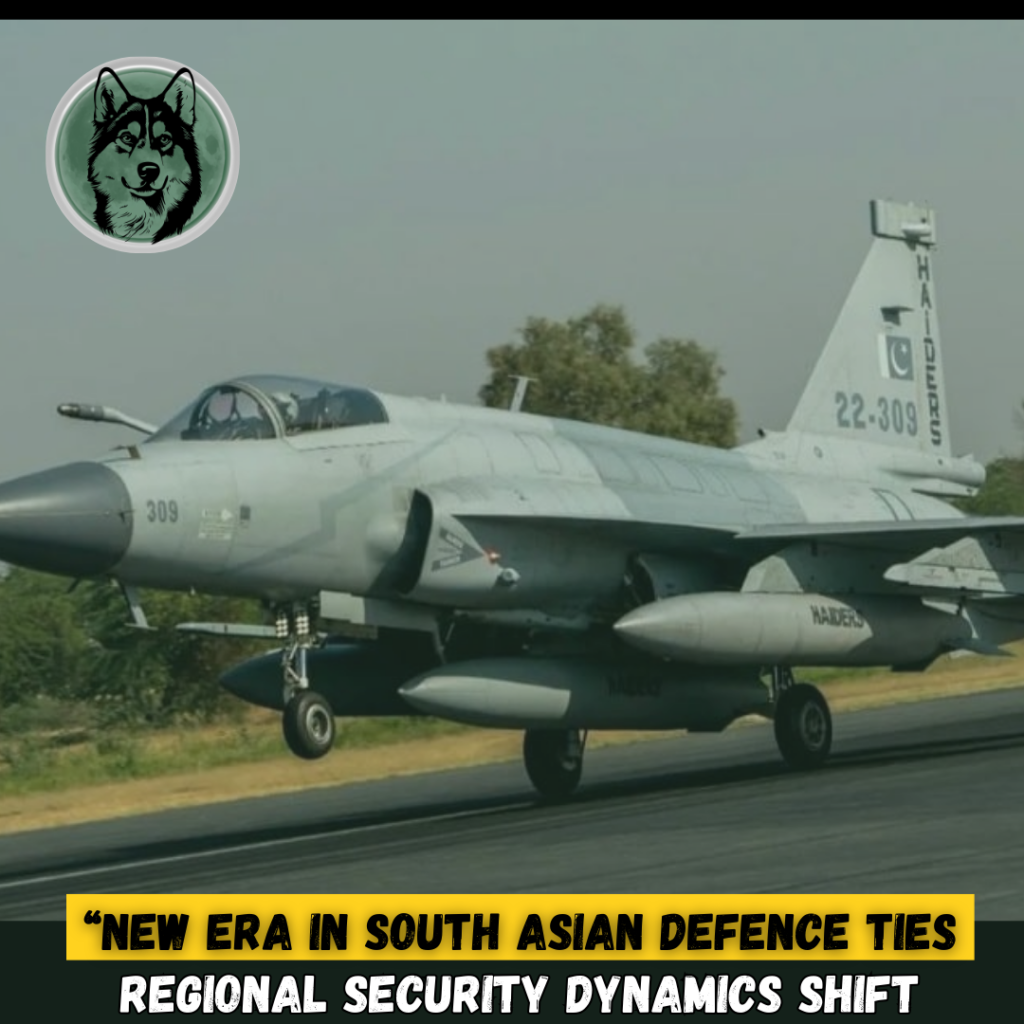
Bangladesh Explores JF-17 Fighter Jet Purchase
Bangladesh is negotiating to procure JF-17 Thunder fighter jets from Pakistan. The potential deal highlights Islamabad’s growing international recognition of its combat aircraft following the May 2025 conflict with India.
High-Level Defence Talks
A defence delegation led by Air Chief Marshal Hasan Mahmood Khan of the Bangladesh Air Force visited Pakistan’s Air Headquarters in Islamabad. They met Air Chief Marshal Zaheer Ahmed Baber Sidhu, Pakistan Air Force Chief, and received a Guard of Honour.
JF-17 Thunder: Pakistan’s Export Success
The JF-17 Thunder, jointly developed by Pakistan and China, has become a key export asset. After reports that the PAF downed multiple Indian combat jets, including Rafale aircraft, global interest in Pakistan’s operational capabilities surged.
Recent International Deals
In December 2025, Pakistan and Libya finalized a multi-billion-dollar arms deal. The deal included 16 JF-17s and 12 Super Mushshak trainer aircraft, marking one of Pakistan’s largest conventional weapons exports.
Strengthening Operational Cooperation
The meeting focused on training, capacity building, and aerospace collaboration. Pakistan briefed the Bangladeshi delegation on recent PAF advancements and pledged a fast-tracked delivery of Super Mushshak trainers, with full training and support packages.
Enhancing Bangladesh’s Air Capabilities
Bangladeshi Air Chief Hasan Mahmood Khan praised PAF’s combat record and requested support for maintaining Bangladesh’s aging fleet and integrating advanced air defence radar systems to boost air surveillance.
Visit to PAF Facilities
The delegation toured the National ISR and Integrated Air Operations Centre, PAF Cyber Command, and National Aerospace Science and Technology Park. They observed capabilities in ISR, cyber, space, electronic warfare, and unmanned systems.
Long-Term Strategic Partnership
The visit reinforced historic ties between Pakistan and Bangladesh. Both sides expressed a shared commitment to deepening defence cooperation and building a long-term strategic partnership.
Critical Analysis & Global Implications
1. Regional Military Balance
The potential JF-17 sale could shift South Asian air power dynamics, especially after Pakistan’s combat success in May 2025. Bangladesh may enhance deterrence against regional threats.
2. Defence Diplomacy Gains
Pakistan leverages its combat record and export-ready platforms to strengthen bilateral ties, boost defence diplomacy, and attract new international buyers.
3. Strategic Industrial Impact
The deal underscores Pakistan’s defence industry as a competitive exporter. China’s CAC benefits from global recognition, with share prices surging due to the JF-17’s growing credibility.
4. Strengthening Alliances
Collaboration enhances institutional ties, training, and interoperability, potentially paving the way for joint exercises, shared technology, and integrated air defence networks.
5. Global Export Message
The negotiations signal Pakistan’s intent to expand its footprint in the global defence market. This could influence regional procurement strategies and encourage other nations to consider alternative suppliers beyond traditional Western platforms.