




One-size-fits-all curriculum failing Pakistan’s diverse learners, say policymakers.
ISLAMABAD : The Wolf Times News Desk | Monday, November 3, 2025
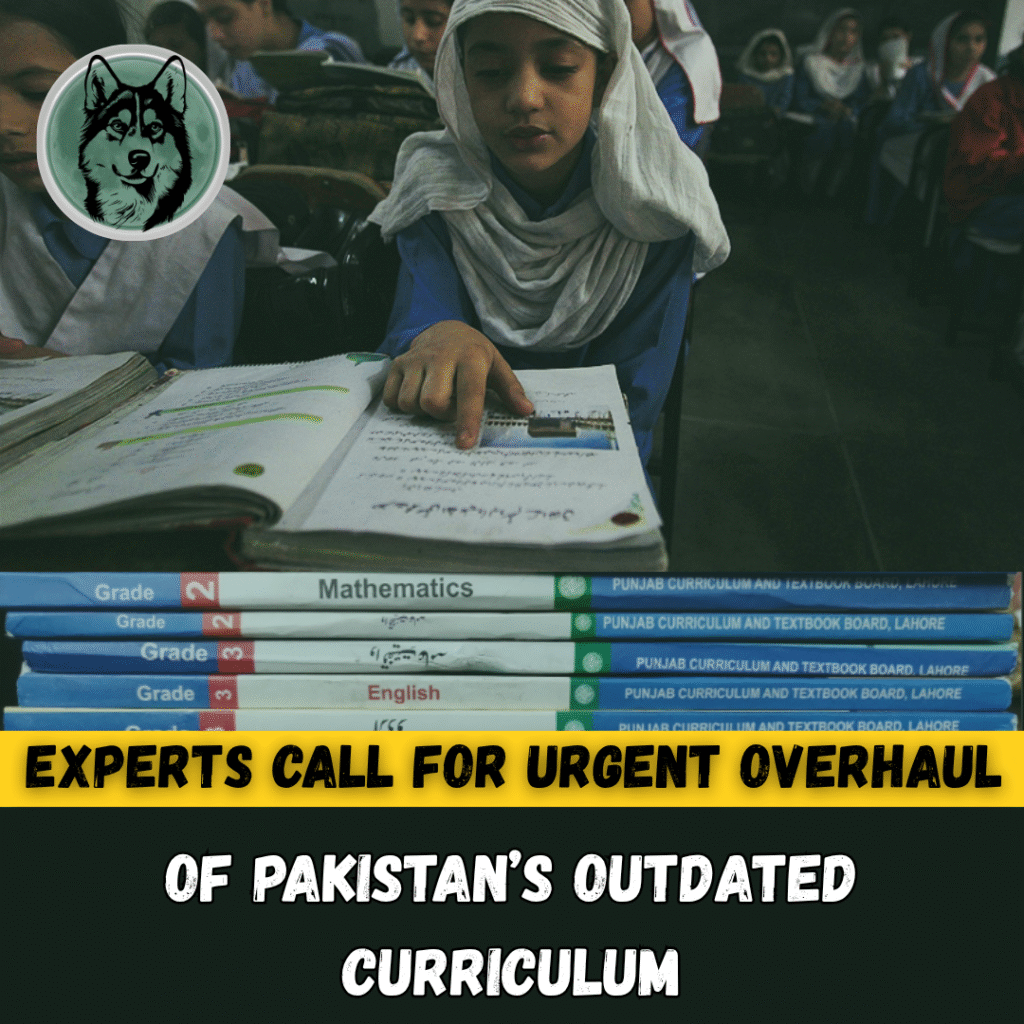
Education experts and policymakers have voiced serious concerns over Pakistan’s existing curriculum, saying it suffers from deep structural and pedagogical flaws that hinder learning outcomes and widen inequalities across the country.
The discussion emerged during a high-level brainstorming session jointly organized by the Pakistan Institute of Development Economics (PIDE) and the Pakistan Institute of Education (PIE). The session aimed to explore ways to reform the national curriculum to make it more inclusive, coherent, and aligned with 21st-century learning needs.
Experts Highlight Key Challenges
The session, attended by senior researchers and education policymakers, emphasized that Pakistan’s curriculum design remains outdated, overloaded, and disconnected from students’ realities—particularly in public and low-cost private schools.
“Feedback from teachers and educationists has highlighted content overload, unrealistic learning targets, and poor contextual alignment with students’ environments,” said the official press release.
Many classrooms across Pakistan lack the necessary teacher training, digital tools, and infrastructure to deliver lessons effectively. As a result, rote memorization often replaces critical and creative thinking—further limiting the development of essential problem-solving and analytical skills.
Widening Learning Divide
Participants warned that the current curriculum structure deepens inequality between elite and under-resourced learners.
Elite schools, equipped with modern facilities and trained teachers, can implement the curriculum effectively, whereas public institutions lag behind. This disparity reinforces the “learning divide” that separates privileged students from those studying in low-income communities.
Call for Contextual and Skills-Based Curriculum
PIDE Vice Chancellor Dr. Nadeem Javaid stressed that Pakistan must abandon the “one-size-fits-all” model of education and move toward a curriculum that reflects the diversity and socioeconomic realities of the nation.
“Education reform must be data-driven, inclusive, and reflective of the skills required for the future,” Dr. Javaid said, adding that regional differences and local contexts should guide curriculum planning.
Post-Devolution Challenges
The session also addressed the challenges that emerged after the 18th Constitutional Amendment, which devolved education and curriculum development to the provinces.
While this move empowered provinces to adapt policies to local needs, experts said it has also resulted in fragmentation, inconsistency, and lack of national comparability.
PIE Director General Dr. Shahid Soroya remarked, “The goal is not uniformity but coherence — a shared national vision that ensures quality and equity while allowing provinces to innovate.”
Proposed Policy Framework
To tackle these challenges, participants proposed two major instruments:
- National Policy Framework for Curriculum Development and Review
- Minimum Standards for Curriculum Content and Learning Outcomes
The experts agreed that curriculum reform should be participatory and evidence-based, involving teachers, policymakers, and researchers in every step of the process.
The Way Forward
The consensus was clear: Pakistan’s education system must evolve to meet the demands of a changing world. Without meaningful reform, experts warned, millions of students will continue to face learning gaps that hinder both personal and national progress.