





Landmark Verdict Sends Strong Message Against Online Hate
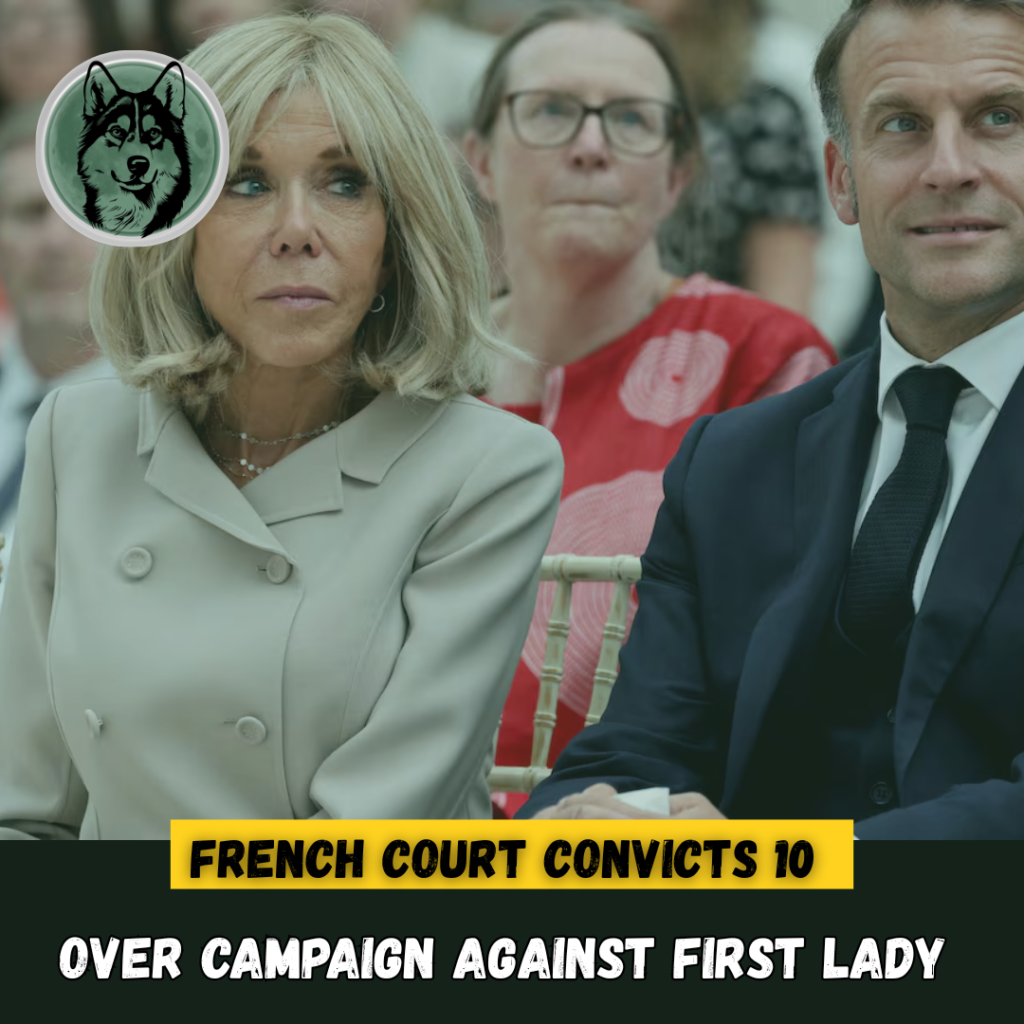
A Paris court has delivered a decisive and symbolic verdict, convicting 10 individuals for orchestrating a coordinated online harassment campaign against France’s First Lady Brigitte Macron, centered on false, dehumanizing claims that she is a transgender woman.
The ruling is being hailed as a major stand against digital abuse, misogyny, and conspiracy-driven hate speech.
False Claims, Coordinated Harassment
Prosecutors told the court that eight men and two women deliberately used social media platforms to spread a baseless conspiracy theory, falsely alleging that Brigitte Macron was born male and previously named Jean-Michel Trogneux, the name of her elder brother.
Some posts went further, maliciously linking the 24-year age gap between President Emmanuel Macron and his wife to insinuations of pedophilia, escalating the abuse into character assassination.
Authorities described the campaign as deliberate, sustained, and psychologically harmful.
Prison Terms, Fines and Social Media Bans
The court handed down a range of punishments, reflecting the seriousness of the offenses:
- Custodial sentences of up to six months
- Suspended prison terms of up to eight months
- Financial fines
- Mandatory anti-cyber-harassment courses
- Social media bans for five defendants on platforms where the abuse was posted
Judges emphasized that freedom of expression does not include the right to humiliate, harass, or dehumanize.
Macrons Take Fight Beyond France
The ruling comes as Emmanuel and Brigitte Macron pursue a separate defamation lawsuit in the United States against right-wing commentator Candace Owens, who has publicly repeated the same false gender claims.
French officials say the international legal action reflects the global reach of digital misinformation and the need for cross-border accountability.
‘Setting an Example’: Brigitte Macron Speaks Out
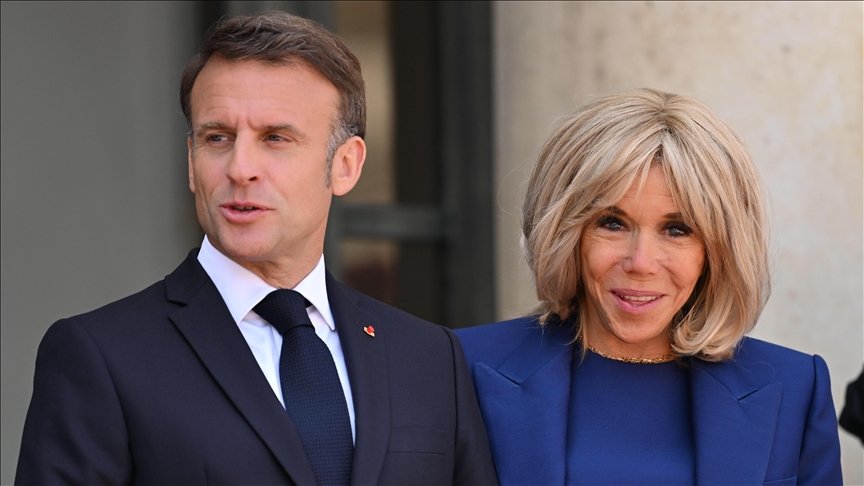
In a televised interview, Brigitte Macron said she chose to take legal action not only for herself, but for countless victims of online abuse.
She stressed that silence empowers harassers, adding that public figures and private citizens alike deserve dignity and protection from digital mob violence.
Her remarks have sparked renewed debate in France over online accountability, gender-based harassment, and the weaponization of conspiracy theories.
A Broader Warning Against Digital Hate
Legal analysts say the verdict sends a clear warning:
- Online anonymity is not immunity
- Gender-based disinformation carries legal consequences
- Courts are increasingly willing to intervene in cyber harassment cases
The case is being viewed as a precedent-setting moment in Europe’s fight against toxic online culture.