





Interior Ministry confirms immediate end to resettlement
Germany has abruptly ended its Afghan refugee resettlement program, revoking earlier commitments and blocking hundreds of Afghans from entering the country, citing security concerns and a fundamental shift in political priorities.
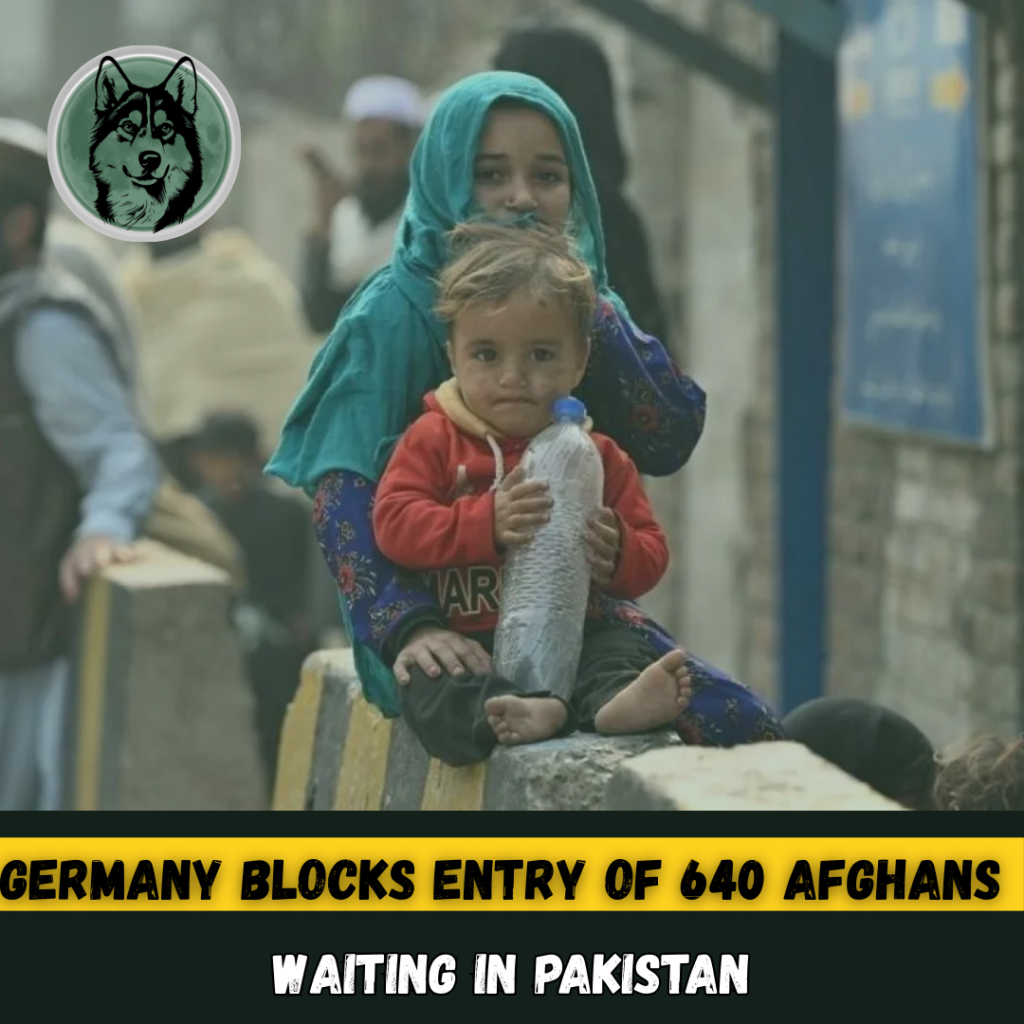
The decision leaves 640 Afghan nationals currently stranded in Pakistan without permission to travel to Germany, despite earlier assurances of relocation under various humanitarian programs.
What Has Changed
According to Germany’s Interior Ministry, all political commitments to admit Afghan refugees have been withdrawn with immediate effect.
Interior Ministry spokeswoman Sonja Kock confirmed that individuals previously promised relocation would soon be formally informed that “there is no longer any political interest in their admission.” She added that resettlement options for Afghans waiting abroad have effectively ended.
This decision halts admissions under multiple Afghan resettlement tracks, including humanitarian lists and staff relocation schemes.
Where the Impact Is Being Felt
The immediate impact is being felt in Pakistan, where hundreds of Afghans are currently housed in German-funded guesthouses while awaiting relocation.
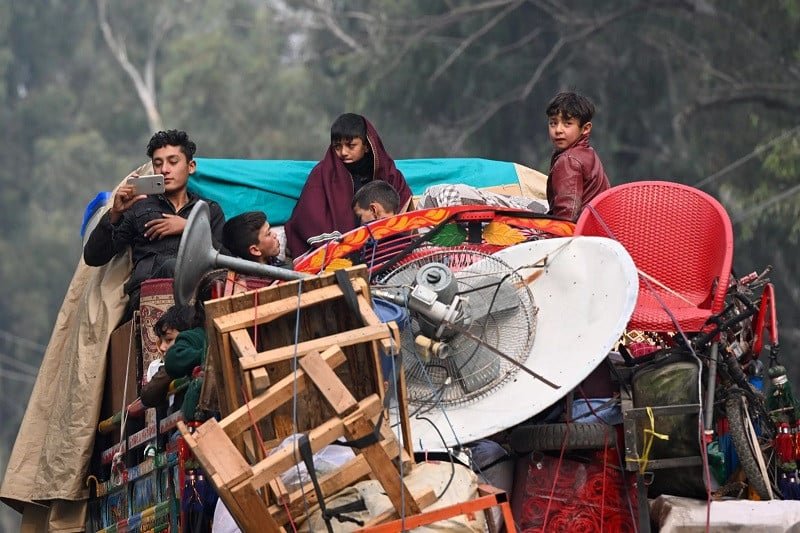
Many of those stranded fear deportation as Pakistani authorities have warned that Afghans without clear legal status could be handed over to the Taliban at the turn of the year, creating a race against time for those affected.
Why Germany Reversed Course
The policy reversal follows a coalition agreement between Germany’s ruling parties the CDU, CSU, and Social Democrats to scrap Afghan resettlement programs “as far as possible.”
Chancellor Friedrich Merz has supported stricter migration controls, citing:
- Crimes involving Afghan refugees
- Heightened domestic security concerns
- Public pressure to reduce migration
Interior Minister Alexander Dobrindt dismissed Afghan admissions approved under the previous government as “legacy issues,” signalling a clear break from post-2021 humanitarian policies.
How Previous Commitments Were Made
After the Taliban seized power in Afghanistan in 2021, Germany pledged asylum to vulnerable Afghans, including:
- Women’s rights activists
- Journalists
- Lawyers
- Opposition figures
- Former local staff of German ministries and NGOs
Admissions were processed through mechanisms such as the “human rights list” and “bridging list.” Over time, thousands were promised relocation, though many never reached German soil.
Afghan Local Staff Also Affected
For the first time, Germany’s third resettlement program for Afghan local staff has also been curtailed.
Aid group Kabul-Luftbrücke revealed that around 130 former local staff and their families were informed via email by Germany’s development agency GIZ that they would no longer be admitted.
The email cited “no grounds for admission under Section 22 of the Residence Act,” without providing detailed justification.
Of the 220 remaining local staff, officials say only 90 may still qualify, pending security checks and legal review.
How Many Afghans Germany Has Accepted So Far
Government data shows that between 2021 and April 2025, Germany admitted:
- Around 4,000 Afghan local staff
- Nearly 15,000 family members
By comparison, the group currently stranded in Pakistan is relatively small — yet their situation has become emblematic of the broader humanitarian fallout from the policy shift.
Legal Action: The Last Remaining Path
According to Kabul-Luftbrücke, only Afghans who successfully sue the German government are still being allowed to enter.
So far:
- 84 lawsuits have succeeded
- 195 cases are pending
- Dozens more are being prepared
Whether courts can resolve these cases before year-end remains uncertain.
Eva Beyer, spokesperson for Kabul-Luftbrücke, described the situation as “psychological torture” for refugees who have already lived under years of threat and displacement.
Critical Analysis: Security vs Credibility
Germany’s decision underscores a growing tension across Europe between security-driven migration policies and humanitarian commitments.
While the government argues that security checks and public safety must take precedence, critics warn that reneging on prior assurances risks:
- Undermining Germany’s international credibility
- Endangering individuals who cooperated with German institutions
- Setting a precedent for abandoning at-risk partners
Human rights groups, including Human Rights Watch, Pro Asyl, and Brot für die Welt, have urged the government to honor its promises before year-end, calling the situation a “litmus test” for Germany’s reliability and moral standing.
What Happens Next
The Interior Ministry says affected Afghans will not be immediately evicted from guesthouses in Pakistan as long as the Afghanistan–Pakistan land border remains closed.
Germany has also offered to book return flights to Kabul, though officials acknowledge that the refugees’ fate there would be entirely uncertain.
For many, the coming weeks may determine whether years of promises result in safety or abandonment.