



Temporary three-hour restriction to remain in effect till October 29.
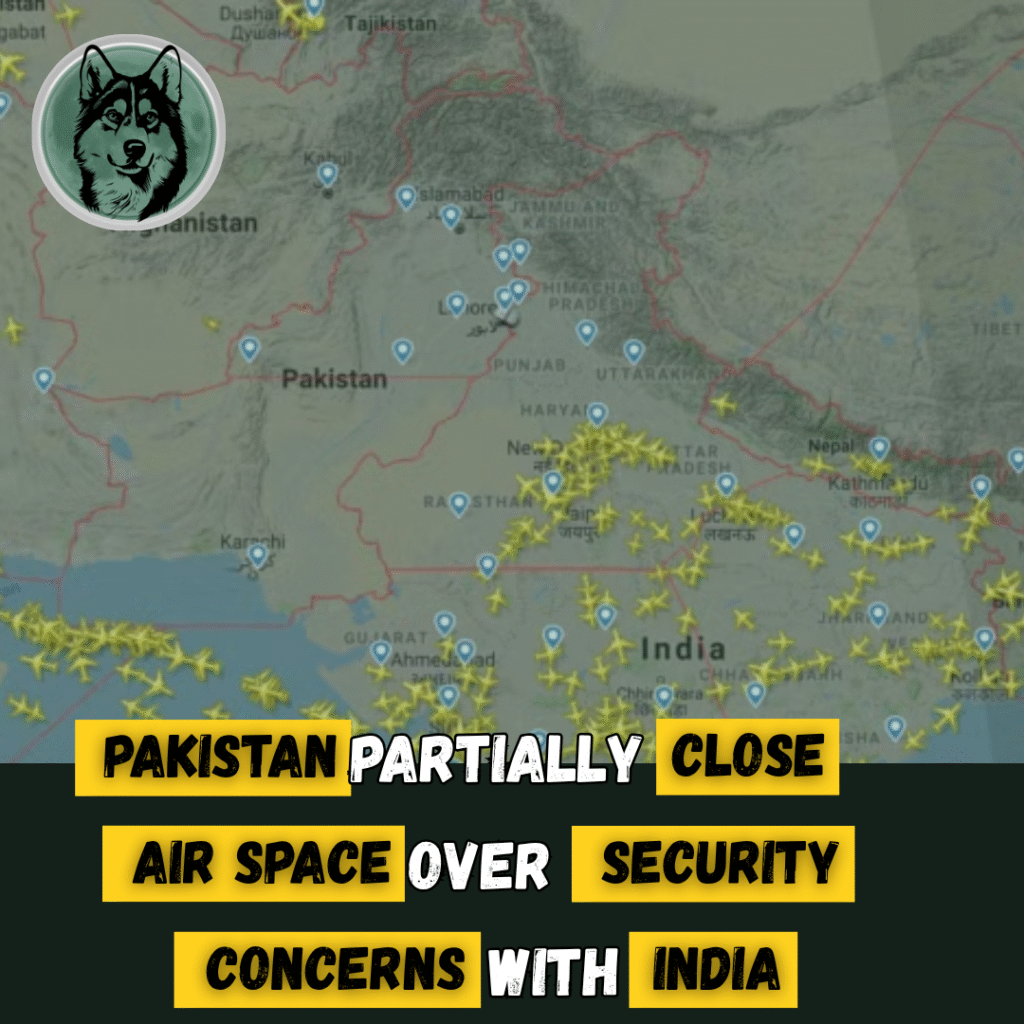
Pakistan’s Civil Aviation Authority (CAA) has announced a temporary closure of its airspace along the Indian border for two consecutive days — October 28 and 29 — citing security and safety concerns linked to possible Indian military exercises near the international boundary.
According to officials, airspace between the Lahore and Karachi Flight Information Regions (FIRs), which connects Pakistan’s air routes to India, was closed from 6 a.m. to 9 a.m. on Tuesday and will remain under the same schedule on Wednesday.
The measure, the CAA clarified, is strictly precautionary and not a sign of escalating tensions.
Impact on Air Traffic
The temporary restriction has impacted flights operating on cross-border routes, prompting rerouting and rescheduling by several airlines. Domestic and international carriers were informed in advance via a Notice to Airmen (NOTAM), ensuring that flight operations could be adjusted accordingly.
Airlines operating between Pakistan and India, as well as those connecting Southeast Asia and the Middle East via Pakistani airspace, were among those affected.
Reason Behind the Decision
Officials from the aviation authority stated that the decision was based on intelligence and precautionary assessments related to Indian military activities near the border. The move, they said, aims to prioritize passenger safety and maintain regional stability in the air corridor, which is considered one of the most sensitive in South Asia.
“Such temporary restrictions are part of standard aviation safety procedures,” one official noted, adding that flight safety overrides commercial convenience in situations where border dynamics warrant heightened vigilance.
Context and Precaution
The latest measure comes amid regional security sensitivities and reflects Pakistan’s cautious approach to maintaining air safety. Authorities emphasized that the closure does not indicate heightened hostilities, but rather a responsible step to prevent accidental risks in a heavily monitored zone. Observers note that Pakistan has previously taken similar measures during times of military exercises or heightened border activities, underscoring a consistent approach to risk mitigation in air navigation management.