



SNGPL blames pressure surge on declining RLNG consumption by power plants.
National Gas System Under Strain
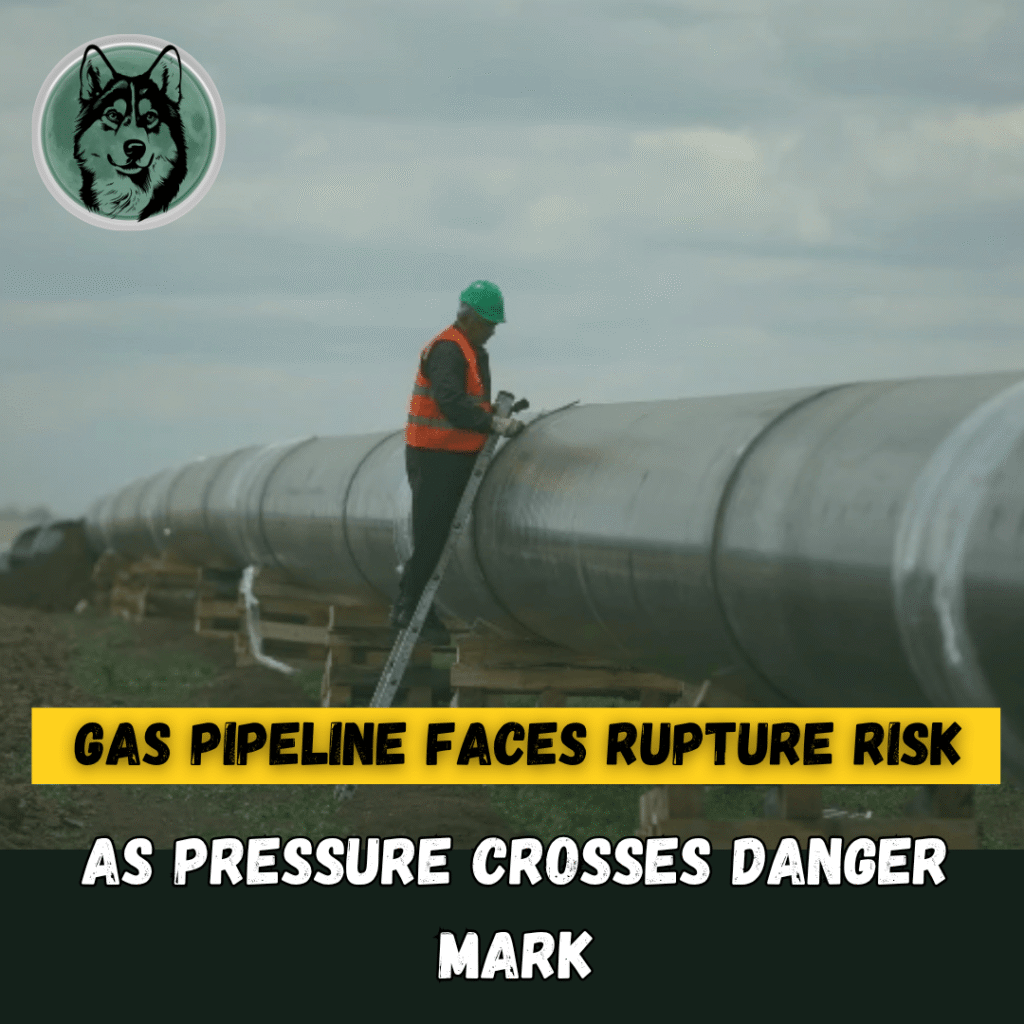
ISLAMABAD: After nearly two months of relative stability, Pakistan’s national gas transmission network has again reached a critical pressure state, sparking fears of a pipeline rupture that could disrupt fuel supplies nationwide.
According to official data from October 29, 2025, the line pack the measure of gas volume and pressure in the main transmission system surged to 5.177 billion cubic feet (BCF), surpassing the safe operational limit of 5 BCF.
Officials at Sui Northern Gas Pipelines Limited (SNGPL) said the spike in pressure was caused by a sharp decline in gas consumption by the power sector, which is currently drawing only 293 million cubic feet (MMcf) of imported gas for electricity generation.
Power Sector Consumption Drops Despite LNG Contracts
Despite the high system pressure, Pakistan remains bound by long-term take-or-pay LNG contracts with QatarEnergy (two agreements) and Italy’s ENI (one agreement), all backed by sovereign guarantees.
These contracts were originally designed to ensure steady RLNG supply for four major power plants in Punjab. However, reduced electricity demand has left these plants running far below capacity.
Sources said that even amid oversupply, ENI continues diverting one LNG cargo per month to international markets since February 2025, with diversions expected to continue until December due to subdued local demand.
Authorities Curtail Local Gas Production
To manage the excessive pressure, authorities have curtailed local gas production by around 300 MMcf, a decision that has drawn strong criticism from exploration and production (E&P) companies.
Industry insiders warned that forced shutdowns of gas wells can cause reservoir damage, leading to permanent production losses.
In previous cases, several wells failed to resume output even after restoration expenses exceeding $1 million.
Sabotage and Shutdowns Add to Supply Woes
Adding to the strain, gas supply from the Bettani field was suspended on October 18 after a sabotage attack ruptured an eight-inch transmission line between Bettani and Kakakhel.
Meanwhile, supply from the Dakhni plant remains offline since October 15 due to a 21-day annual turnaround.
The Attock Refinery Limited (ARL) has repeatedly warned that lower gas field output reduces crude oil production, disrupting refinery operations dependent on domestic feedstock.
Economic Merit Order Restrains RLNG Usage
A senior Power Division official clarified that RLNG-based power plants operate strictly under the economic merit order (EMO) to prevent electricity cost escalation.
“When RLNG plants don’t fall within the EMO, they remain idle,” the official said.
“Running them would raise the overall electricity price and fuel cost adjustments (FCA). The government prefers cheaper local-fuel and must-run power plants.”
Experts Warn of Potential System Collapse
Energy experts caution that continued pressure buildup could push the national transmission network to a breaking point.
A rupture in the main gas pipeline, they warn, could paralyse national fuel supply chains, affecting industries, power generation, and household consumers across Pakistan. If not managed urgently, the situation could trigger large-scale supply interruptions and economic disruption nationwide.