




Electricity prices for low-income households rise over 11% despite government promises.
Government’s Economic Promises Collapse as Weekly Inflation Jumps Again
Pakistanis received yet another blow this week as the Pakistan Bureau of Statistics (PBS) reported a 0.73% rise in weekly inflation, pushing annual inflation to 4.32%.
The spike once again contradicts the government’s repeated claims that inflation is “under control,” exposing a widening disconnect between official statements and ground realities.
The increase may look small on paper, but for millions of struggling families, it means one more week of shrinking purchasing power, costlier meals, and even more pressure on household budgets.
Essential Household Items Become Unaffordable
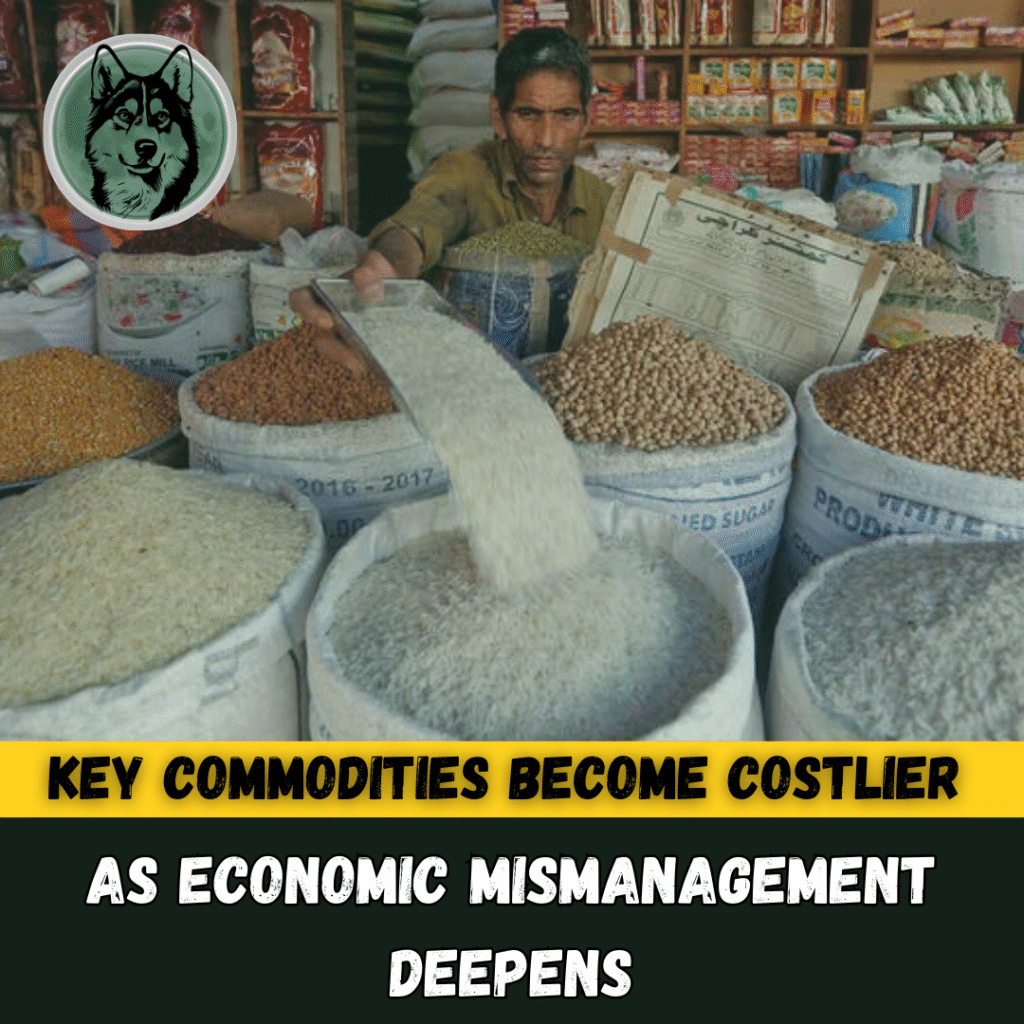
Prices of moong dal, ghee, cooking oil, and powdered milk increased, further tightening the squeeze on the poor and middle-class households.
These are not luxury goods, they are staples in every Pakistani kitchen.
Meanwhile, sugar continues to sell between Rs179 and Rs220 per kg, despite repeated government commitments to reduce prices.
Adding to the burden, jaggery, beef, electricity, LPG, cigarettes, and firewood also became more expensive.
The everyday Pakistani is left wondering:
If prices of basic food items cannot be controlled, what exactly is the government managing?
Electricity Costs Soar for Lower-Income Groups
Perhaps the most alarming increase was in electricity tariffs for low-income consumers, which rose by more than 11%.
At a time when the poor are already struggling, the government’s policy decisions are making survival even harder.
Despite official claims of “reforms” and “relief,” the reality is clear:
The cost of living continues to rise and the government has no effective plan to stop it.
Temporary Relief on Vegetables Cannot Hide Bigger Crisis
Yes, tomatoes fell by 28%, onions by 10%, and potatoes by 4.58%, but these small declines do not change the big picture.
The overall inflation trend is still upward, and every week brings new financial pressure.
Even the reduction in items such as salt, chana dal, garlic, eggs, and flour offers limited comfort when major staples continue to skyrocket.
A Government Without Answers
The PBS report makes one thing painfully clear:
The people are being left to bear the brunt of the government’s economic mismanagement.
Instead of acknowledging public hardship, officials continue to issue confident statements detached from reality.
Citizens, meanwhile, face rising bills, inflated food prices, and declining purchasing power — all indicators of an economy drifting without direction.