



Case Raises Questions Over Media Accountability and Press Freedom
WASHINGTON / LONDON:
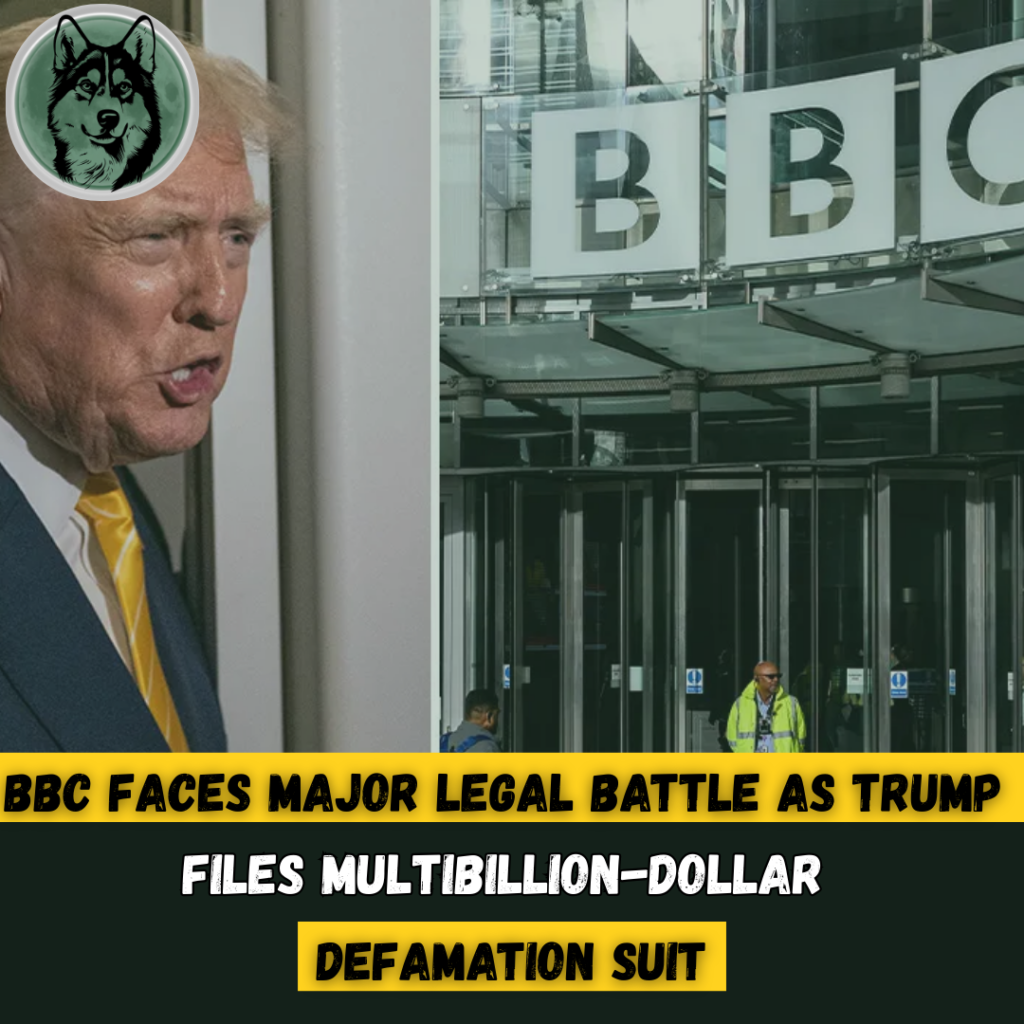
US President Donald Trump has filed a defamation lawsuit against Britain’s public broadcaster, the BBC, seeking up to $10 billion in damages over edited footage of a January 6, 2021 speech that he claims falsely portrayed him as inciting violence at the US Capitol.
The lawsuit, filed in a federal court in Miami, alleges that the BBC spliced together selective portions of Trump’s speech, including phrases such as “fight like hell” while omitting his call for supporters to protest peacefully. Trump argues the editing created a misleading narrative suggesting he directly encouraged the storming of the Capitol.
What Trump Is Alleging
According to the lawsuit, the BBC’s editing amounted to defamation and violated Florida laws prohibiting deceptive and unfair trade practices. Trump is seeking $5 billion in damages for each of the lawsuit’s two counts.
Trump’s legal team claims the broadcaster’s actions caused “overwhelming reputational and financial harm” and accuses the BBC of pursuing a politically motivated agenda against him.
BBC Apology, But Legal Dispute Continues
The BBC has acknowledged an “error of judgement” and issued an apology, admitting the edit gave a mistaken impression that Trump had made a direct call for violent action. However, the broadcaster has maintained that there is no legal basis for the lawsuit.
A BBC spokesperson said the organisation had no further contact from Trump’s lawyers following the filing and reiterated its position.
Trump’s lawsuit argues that despite the apology, the BBC has shown no meaningful institutional accountability or reform to prevent similar editorial decisions in the future.
Why the Case Was Filed in the US
Legal experts note that defamation cases in the UK must be brought within one year of publication, a deadline that has passed for the disputed “Panorama” documentary. Filing in the United States allows Trump to pursue claims under American law, though he faces a higher legal bar due to constitutional protections for free speech and the press.
To succeed, Trump must prove the BBC knowingly misled viewers or acted with reckless disregard for the truth.
BBC Under Pressure
The controversy triggered one of the biggest crises in the BBC’s 103-year history. The documentary was pulled from rebroadcast, and two senior BBC officials resigned following an internal review and the leak of a critical memo by an external standards adviser.
The BBC is funded by mandatory licence fees, making any potential financial penalty politically sensitive in the UK.
Broader Media Legal Campaign
Trump has intensified legal action against media organisations he claims misrepresented him. Other outlets, including CBS and ABC, previously settled defamation disputes following his return to the presidency after the 2024 election.
He has also filed lawsuits against the New York Times, the Wall Street Journal and an Iowa-based newspaper, all of which deny wrongdoing.
The case adds a new international dimension to Trump’s long-running battle with global media institutions.