



Bureaucratic delays push refugees into debt, unemployment and fear of detention.
Trump’s Immigration Crackdown Leaves Ukrainians in Precarious Legal Limbo
Thousands of Ukrainians who sought safety in the United States after Russia’s invasion now face an uncertain future as immigration renewal delays under the Trump administration threaten their legal status, employment, and security.
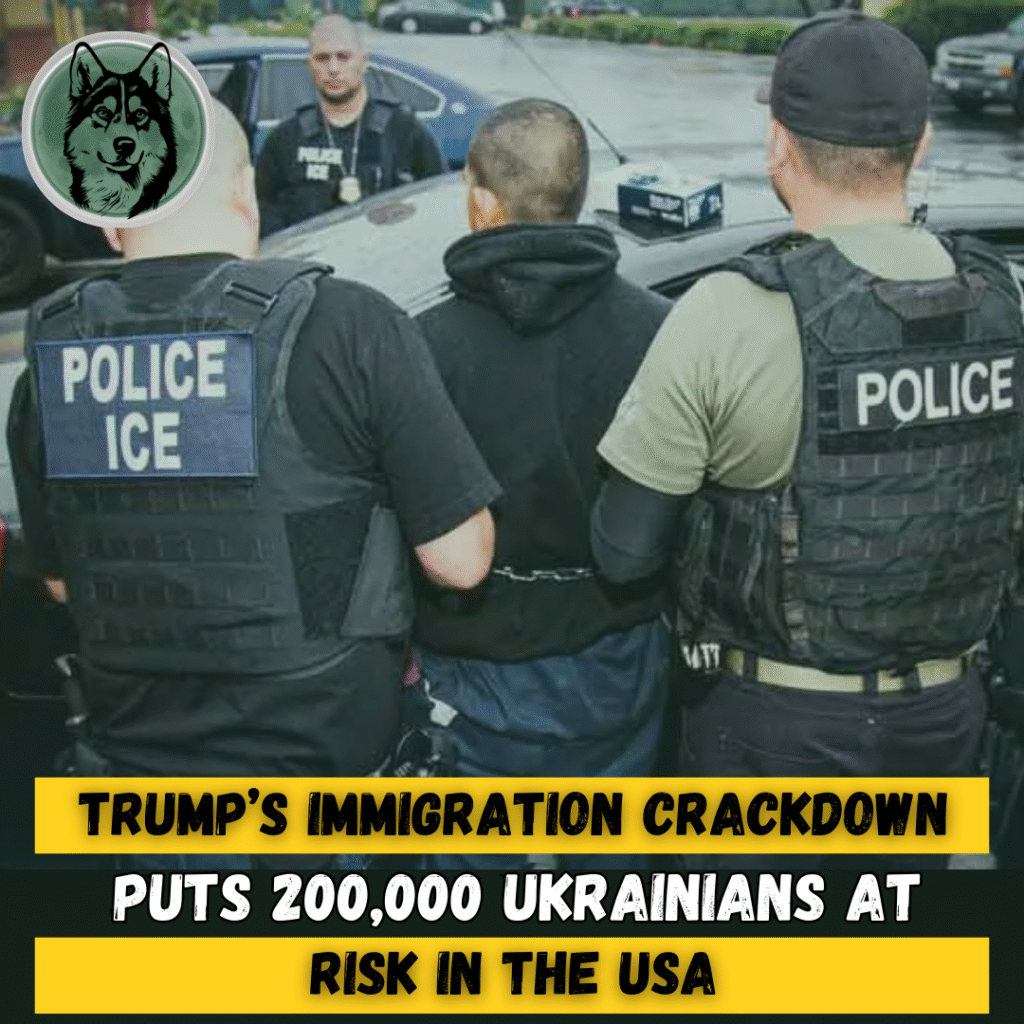
Internal government data reviewed by Reuters revealed that by March 31, nearly 200,000 Ukrainians were at risk of losing their status under the humanitarian parole program launched in 2022. The program admitted 260,000 Ukrainians for an initial two-year period, but renewal applications have been stalled since January.
Only 1,900 renewals have been processed since May—far below what is required to prevent widespread lapses.
Lives Upended by Legal Uncertainty
For many like Kateryna Golizdra, the consequences have been devastating. After her status lapsed in May, she lost her job at the Ritz-Carlton, her health insurance, and the ability to financially support her displaced mother in Germany.
Her experience mirrors that of dozens of Ukrainians interviewed by Reuters, including tech professionals, educators, designers, and students. Many report living indoors to avoid possible arrest, while others have left the U.S. for Canada, Europe, or South America.
Returning to Ukraine is not a viable choice for most. Golizdra’s home in Bucha was burned during Russia’s invasion, and the area witnessed mass atrocities uncovered after Ukrainian forces retook the town.
A Pause with Huge Consequences
The Trump administration halted processing of the program in January, citing security concerns. After a contentious meeting with Ukrainian President Volodymyr Zelenskiy, Trump publicly considered ending the program altogether. Although a federal judge ordered processing to resume, progress remains slow.
A new spending law signed in July adds further barriers: a $1,000 fee on top of an existing $1,325 application charge.
Advocacy groups say the delays have resulted in arrests of Ukrainians during workplace sweeps or routine checks. Families have been separated during renewals, leaving some members legal while others remain in limbo.
Growing Fear of Deportation
U.S. Representative Mike Quigley says his office has received more than 200 requests for assistance. Community sponsors across the country describe growing panic among families who followed all regulations but now face detention or deportation.
Some Ukrainians are opting to “self-deport” to avoid potential removal to more dangerous destinations.
One such case is Yevhenii Padafa, a software engineer who left for Argentina after being unable to renew his status. Forced to leave without the promised flight and $1,000 assistance, he arrived with minimal resources.
He said returning to Ukraine would inevitably lead to frontline deployment, something he is desperate to avoid.
Why This Issue Is Important
1. Humanitarian Implications:
Tens of thousands of war refugees who fled Russian aggression now face renewed vulnerability, unemployment, and potential detention.
2. Policy Precedent:
The slowdown signals a shift in U.S. humanitarian policy under the Trump administration, potentially affecting future emergency refugee programs.
3. Economic Impact:
Many Ukrainians worked in key industries such as hospitality, tech, and services. Their sudden unemployment disrupts businesses and local economies.
4. International Relations:
A strained humanitarian stance toward Ukrainians could affect diplomatic ties with Kyiv and undermine U.S. support for Ukraine during wartime.
Critical Analysis
The situation highlights tensions between humanitarian commitments and political shifts. While the Biden-era program was introduced to provide temporary refuge, the Trump administration’s suspension and slow processing reveal vulnerabilities in parole-based systems that lack long-term stability.
The added financial burden further restricts access for displaced individuals already struggling with job losses. Meanwhile, inconsistent enforcement and family separations underscore systemic gaps in immigration oversight.
The crisis raises broader questions about whether humanitarian parole is adequate for mass displacement caused by war, or whether Ukrainians require a more permanent, legislatively backed solution.